

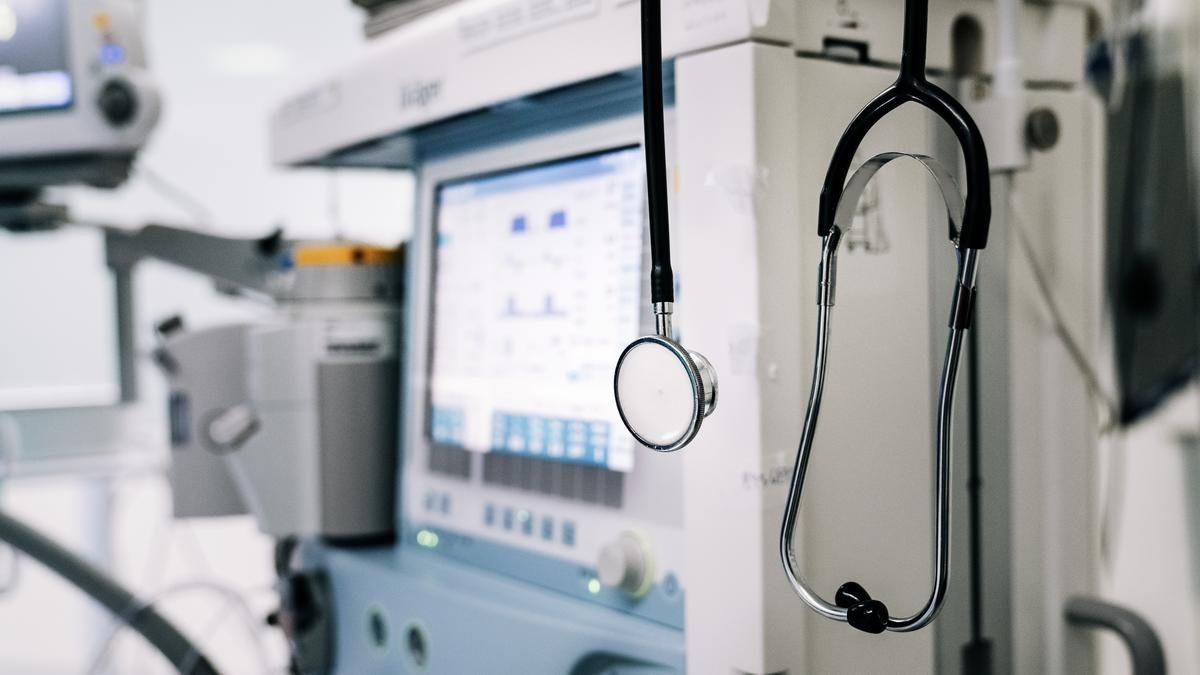

Under the Medical Devices Rules, 2017, medical devices are classified into four risk-based categories — Class A, Class B, Class C and Class D — with Class D comprising the highest-risk devices. Image for representation only.
| Photo Credit: Getty Images/iStockphoto
The Union Ministry of Health and Family Welfare has proposed amendments to the Medical Devices Rules, 2017, to shorten the timelines for the grant of manufacturing licences for medical devices across different risk categories.
The draft notification, published in the official gazette, seeks to simplify and expedite the licensing process while ensuring continued compliance with quality, safety, and performance requirements, the Health Ministry said on Sunday (June 28, 2026). The proposed amendments seek to rationalise the timelines for the grant of manufacturing licences for medical devices across different risk categories. The initiative is aimed at enhancing the ease of doing business, improving regulatory efficiency, and facilitating the timely availability of quality medical devices in the country, the Ministry said.
Under the Medical Devices Rules, 2017, medical devices are classified into four risk-based categories — Class A, Class B, Class C and Class D — with Class D comprising the highest-risk devices.
The rules prescribe statutory timelines for processing applications for manufacturing licences for each category.
The proposed amendments seek to reduce these timelines, thereby enabling faster regulatory approvals while maintaining the established standards of quality, safety, and performance.
For Class B medical devices, which include low to moderate risk devices, including blood pressure monitors, hypodermic needles and pulse oximeters, the timeline for grant of manufacturing licence has been proposed to be reduced from 140 days to 115 days.
Similarly, for Class C and Class D medical devices, which include high-risk devices such as cardiac stents, hip and knee implants, and other orthopaedic implants, the timeline for grant of manufacturing licence has been proposed to be reduced from 105 days to 90 days.
The draft amendments also introduce clearly defined timelines for each stage of the licensing process, including scrutiny of applications, audit by notified bodies, verification of compliance, and issuance of licences.
This is expected to bring greater transparency, predictability and efficiency to the regulatory framework, benefiting both the medical device industry and patients through faster access to quality-assured medical devices, the Ministry said.
The draft notification has been placed in the public domain for comments and suggestions from all stakeholders. The notification is available in the official gazette and on the website of the Central Drugs Standard Control Organisation. Stakeholders are invited to submit their comments and suggestions within the prescribed period.
Published – June 28, 2026 07:47 pm IST