

Until now, the airline followed DGCA rules that require random testing of pilots and other safety-sensitive personnel for psychoactive substances.
The new internal measure will require pilots to undergo testing as part of the airline’s enhanced safety protocols.
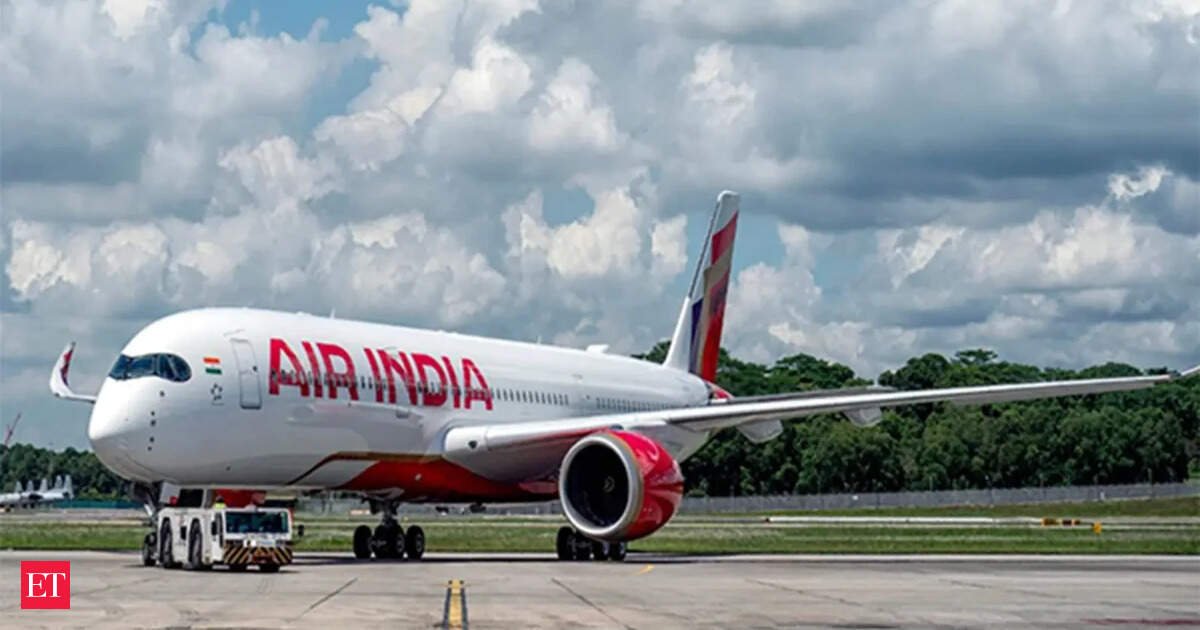
The move comes after flight AI 2379, carrying 145 people, suffered multiple warnings while flying over Odisha. The aircraft reported alerts linked to all three hydraulic systems, doors and the elevator. Its autopilot also disconnected and the aircraft lost altitude during the flight.

The pilot-in-command of the Phuket-Delhi flight is learnt to have told investigators that he had been prescribed sleeping pills because of personal problems and claimed the medication resulted in his positive dope tests. His conduct onboard is also being examined after cabin crew reportedly complained about his behaviour.
The incident has prompted the Centre to ask Air India to strengthen its operational oversight and “take responsibility” for ensuring safety, according to a report by The Times of India.The aviation ministry has also directed the DGCA to urgently review its framework for psychoactive substance testing among aviation personnel. The regulator has been asked to increase the proportion of personnel covered by mandatory testing and impose tougher penalties on those who test positive for recreational or prohibited drugs.
At the same time, the government wants additional opportunities for personnel whose positive test results are linked to prescribed medicines.
The government’s move comes amid heightened scrutiny of Air India’s safety practices following the June Ahmedabad crash, which killed 260 people. The final report into that accident is still awaited.
An Airbus team is in India to examine the technical issues reported on AI 2379 along with officials from the French aviation regulator. The Aircraft Accident Investigation Bureau is investigating whether the warnings were genuine or spurious and what caused them.