

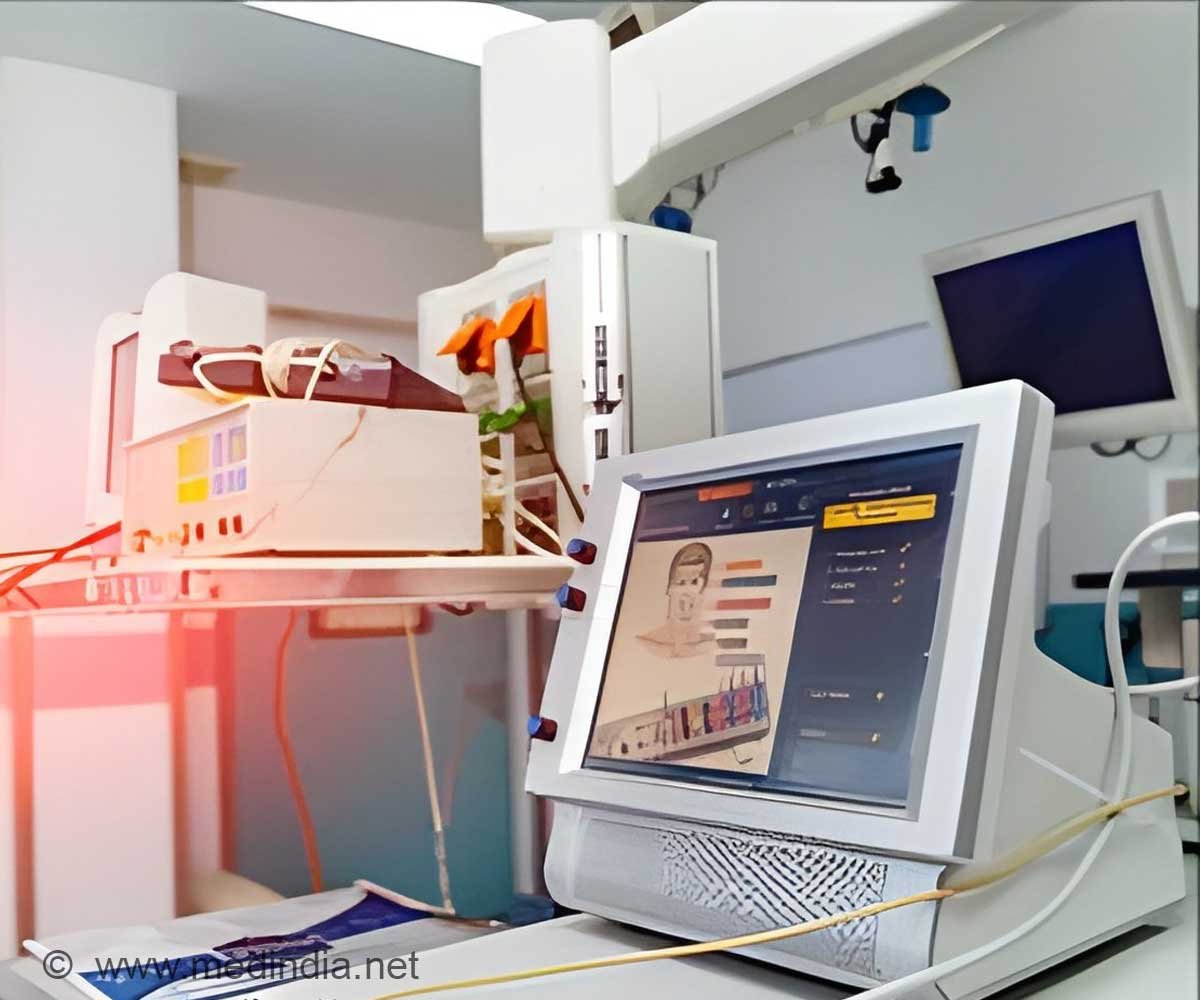
What is driving India’s medical devices market? Rising healthcare needs, local manufacturing and medical technology innovation are expected to support growth through 2035.
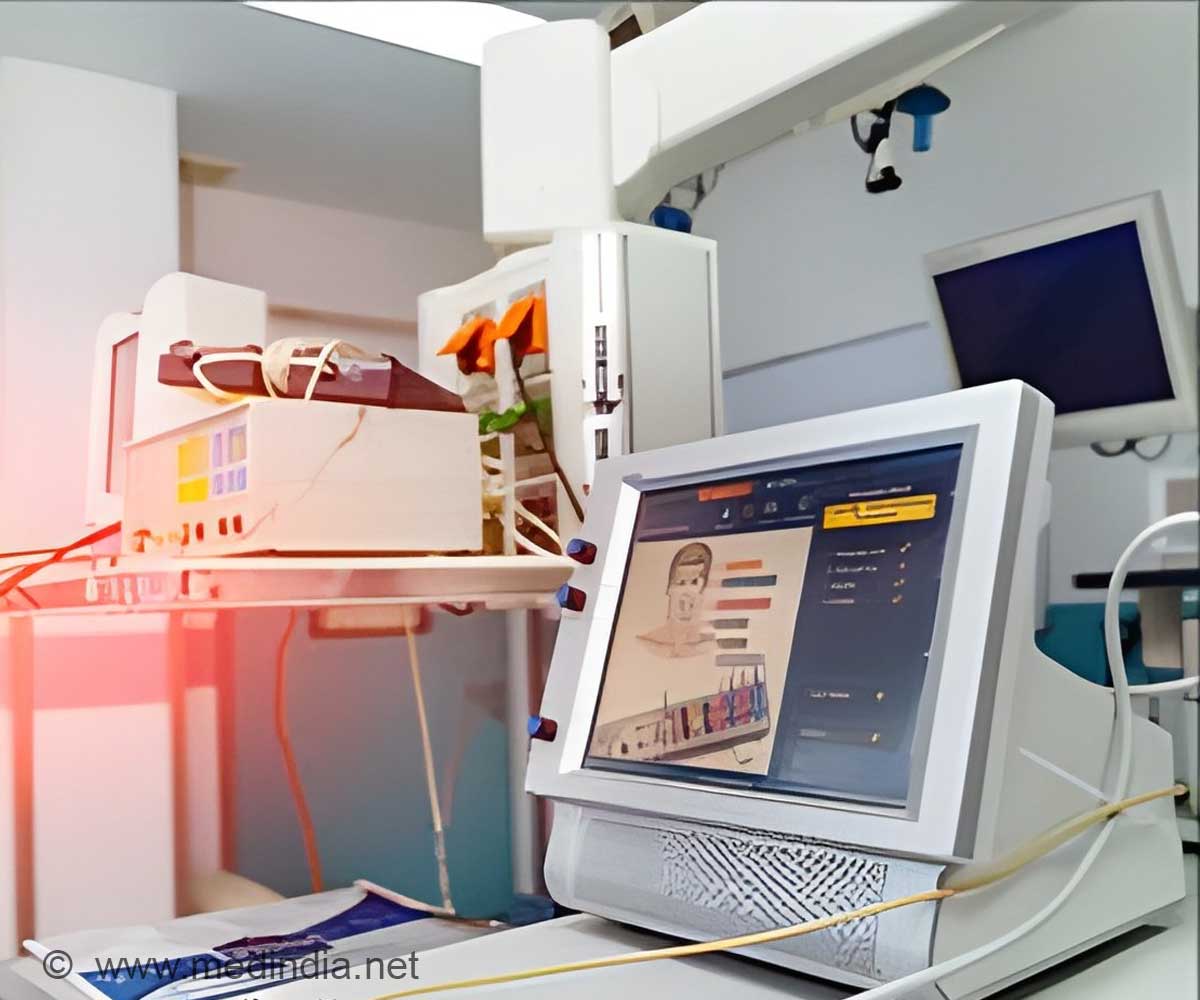
India’s medical devices industry is expected to maintain steady growth over the next decade, with the market projected to expand at a 6% compound annual growth rate (CAGR) between 2025 and 2035, according to GlobalData. The forecast points to continued demand for medical technology as healthcare infrastructure expands and the country works to strengthen domestic manufacturing (1✔ ✔Trusted Source
India nephrology and urology devices market to grow at 7% CAGR through 2035, forecasts GlobalData
).
The outlook comes as India seeks to reduce its dependence on imported medical devices while building a stronger local medtech ecosystem. Earlier research has noted that a large share of medical devices used in India has historically been imported, creating both a supply challenge and an opportunity for domestic manufacturers.
Advertisement
Demand for Medical Technology Continues to Grow
Medical devices play an increasingly important role across diagnosis, monitoring and treatment. The sector covers a wide range of products, from diagnostic equipment and imaging systems to implants, monitoring devices and in-vitro diagnostic (IVD) products.
India’s growing healthcare needs are expected to support demand for these technologies. Rising chronic disease burdens, improvements in hospital infrastructure and wider access to healthcare are among the factors contributing to the expansion of the medical technology sector.
The market’s projected growth also comes as policymakers place greater emphasis on developing a domestic manufacturing base. Initiatives aimed at encouraging local production and innovation have created opportunities for Indian companies to develop devices tailored to the country’s healthcare needs.
Advertisement
Local Manufacturing Remains a Key Challenge
Despite the growth outlook, India’s medical device sector continues to face a significant gap between domestic production and demand. Previous research has highlighted the country’s dependence on imports and the need to strengthen indigenous manufacturing capabilities.
This gap is particularly important for a country seeking greater resilience in healthcare supply chains. Expanding domestic production could help manufacturers develop lower-cost products suited to local healthcare settings while also creating opportunities for Indian companies to compete in international markets.
However, building manufacturing capacity requires more than increasing production. Companies also need to demonstrate that their devices meet safety, quality and performance requirements.
Advertisement
Research Highlights Regulatory Challenges
A 2026 review published in the Journal of Applied Laboratory Medicine has drawn attention to another part of India’s medical-device landscape: the regulatory framework for in-vitro diagnostic devices. Researchers Mahima Ramesh, Harsh Sah and Amrutha C. examined India’s regulatory system and identified gaps in enforcement, quality standards and post-market surveillance (2✔ ✔Trusted Source
Regulatory Framework for In Vitro Diagnostic Devices in India: Current Landscape, Challenges, and Future Perspectives
).
The review notes that India’s IVD market has expanded rapidly, while regulatory preparedness has not always kept pace. Although the Indian Medical Device Rules introduced a risk-based framework in 2017, the researchers identified inconsistent enforcement, uneven adoption of national and international standards, weak post-market surveillance and limited transparency in regulatory data as continuing challenges.
The findings are significant for a market expected to expand over the coming decade. As more devices enter the Indian healthcare system, manufacturers and regulators will need systems capable of evaluating their safety, performance and clinical value.
Why Regulation Will Matter as the Market Expands
Growth in the medical devices market is closely linked to the ability to bring innovative products into healthcare safely and efficiently. For diagnostic devices in particular, reliability is critical because inaccurate results can affect diagnosis and treatment decisions.
India still trails more established regulatory systems in areas such as mandatory clinical evidence, structured post-market surveillance and stakeholder engagement. The authors argue that strengthening regulatory capacity and evidence-based evaluation will be important for both patient safety and the country’s competitiveness in the global diagnostics market (2✔ ✔Trusted Source
Regulatory Framework for In Vitro Diagnostic Devices in India: Current Landscape, Challenges, and Future Perspectives
For manufacturers, this means that market expansion will likely bring greater attention to compliance, quality management and evidence generation alongside commercial opportunities.
Innovation Could Shape the Next Phase of Growth
India’s medical device industry is also seeing increased interest in locally developed technologies. Research published in the Indian Journal of Community Medicine found that India’s medical device sector has benefited from government support for startups, entrepreneurship and innovation hubs. The study also highlighted early health technology assessment (HTA) as a way to help developers establish the value, affordability and potential market access of new devices (3✔ ✔Trusted Source
Health Technology Assessment in the Early Phases of Development of Medical Devices: A Catalyst for Sustainable Growth and Innovation
).
Early assessment can help manufacturers understand whether a device offers meaningful clinical and economic value before substantial resources are committed to development and commercialization. For a market where affordability remains an important consideration, this could become increasingly relevant.
A Growing Market With Opportunities and Hurdles
GlobalData’s forecast suggests that India’s medical devices market is entering a period of sustained expansion, with a 6% CAGR expected from 2025 to 2035.
The opportunity, however, extends beyond market size. India will need to balance growth with stronger domestic manufacturing, reliable supply chains, regulatory capacity and evidence-based adoption of new technologies.
The research on IVD regulation underscores this point. As India’s medical technology sector expands, ensuring that devices are safe, effective and appropriately evaluated will be just as important as increasing their availability.
If these challenges are addressed, the next decade could see India’s medical device industry move beyond simply being a large consumer market toward becoming a more significant manufacturing, innovation and export hub for medical technology.
References:
- India nephrology and urology devices market to grow at 7% CAGR through 2035, forecasts GlobalData – (https://www.globaldata.com/media/medical-devices/india-medical-devices-market-to-grow-at-6-cagr-through-2035-forecasts-globaldata/)
- Regulatory Framework for In Vitro Diagnostic Devices in India: Current Landscape, Challenges, and Future Perspectives – (https://pubmed.ncbi.nlm.nih.gov/41217442/)
- Health Technology Assessment in the Early Phases of Development of Medical Devices: A Catalyst for Sustainable Growth and Innovation – (https://pubmed.ncbi.nlm.nih.gov/41561710/)
Source-Medindia