

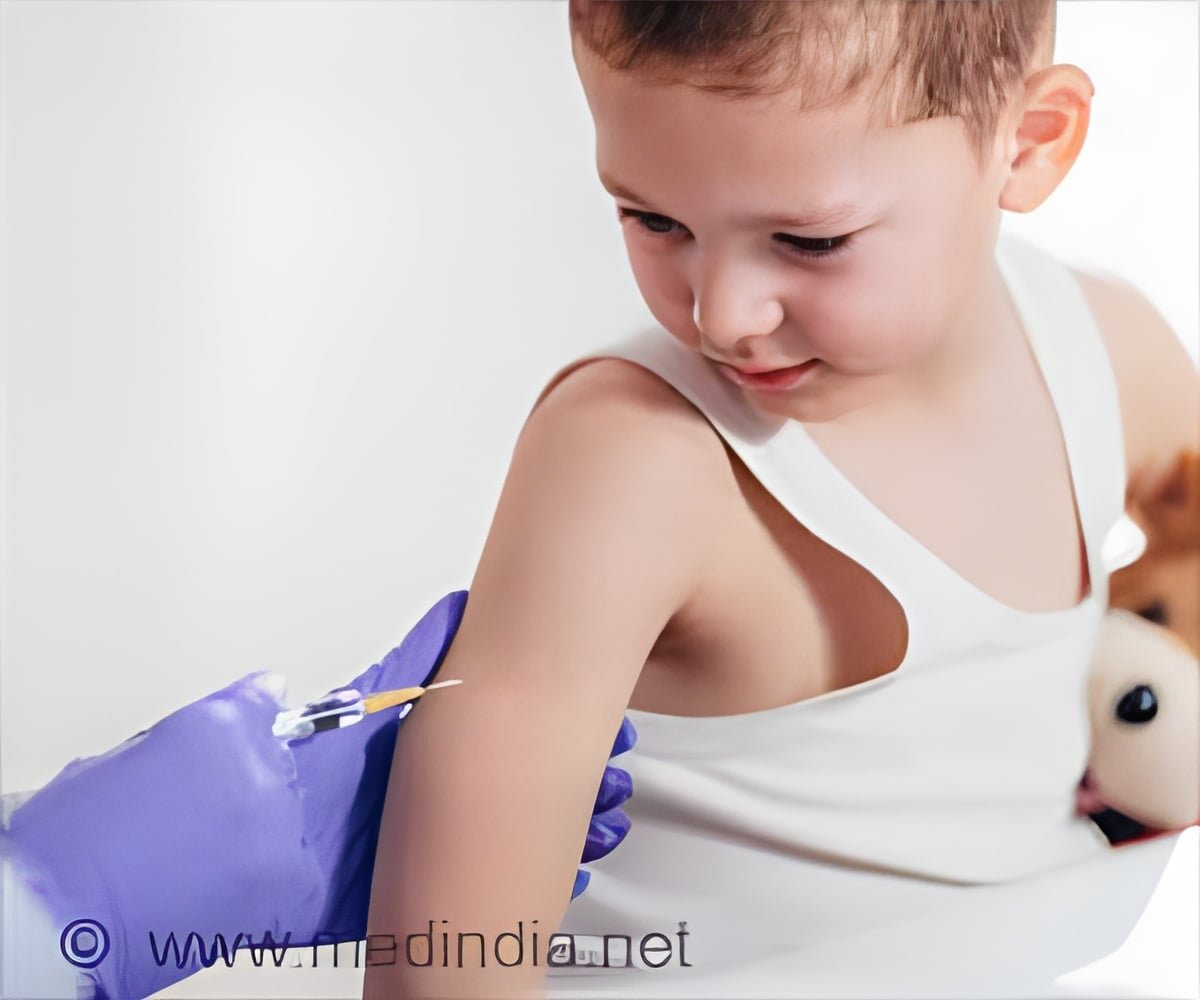
U.S. measles cases have reached their highest level in 35 years. NIH Director Jay Bhattacharya is urging parents to vaccinate children.
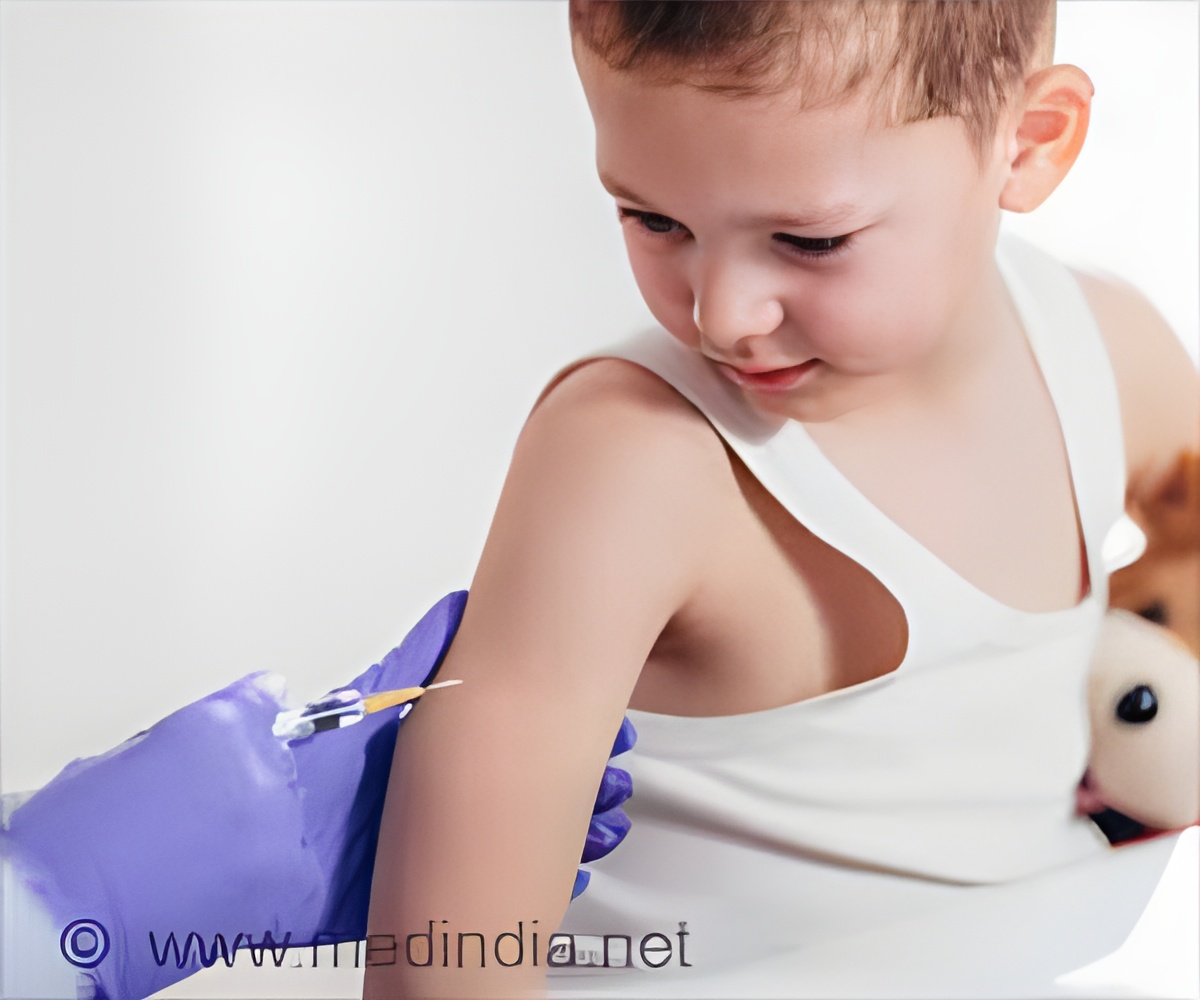
The United States has recorded its highest number of measles cases in 35 years, putting a highly contagious but vaccine-preventable disease back at the center of the country’s public health conversation. As the outbreak continues, National Institutes of Health (NIH) Director Dr. Jay Bhattacharya has urged parents to vaccinate their children against measles and other vaccine-preventable diseases.
Bhattacharya said parents should follow recommended childhood vaccination practices and specifically encouraged vaccination against measles. His message comes as measles vaccination coverage in the United States remains below the level considered important for limiting community transmission. (1NIH Director Dr. Jay Bhattacharya says “I trust the science” on childhood vaccines amid measles outbreak
)
Advertisement
Why Are Measles Cases Rising in the U.S.?
The United States has recorded more measles cases in 2026 than in any year since 1991. The CDC reported 2,318 confirmed measles cases as of July 23, 2026, already exceeding the 2,289 cases reported during the whole of 2025.
The resurgence has occurred alongside declining measles vaccination coverage. CDC data show that MMR coverage among U.S. kindergartners was 92.5% during the 2024-25 school year, below the 95% level generally associated with maintaining community protection against measles.
Advertisement
What Did NIH Chief Jay Bhattacharya Say About Vaccines?
Jay Bhattacharya, director of the NIH, has urged parents to vaccinate their children against measles. His comments come as the United States experiences its most significant measles resurgence in decades.
Bhattacharya has also addressed questions about vaccines and autism. He said he had not seen evidence that a vaccine causes autism and specifically stated that he did not believe the measles vaccine causes autism.
Advertisement
How Important Is the Measles Vaccine for Children?
The MMR vaccine protects against measles, mumps and rubella and is the principal vaccine used to prevent measles. High vaccination coverage is important because measles is highly contagious and can spread rapidly when susceptible people are exposed.
The current U.S. vaccination coverage is below the 95% level associated with community protection. In 2024-25, national MMR coverage among kindergartners was 92.5%, down from 95.2% in 2019-20.
What Does the 35-Year Measles High Mean for Families?
The current measles resurgence highlights the importance of maintaining high vaccination coverage. For parents, the message from the NIH chief is clear: vaccination remains an important way to protect children against measles.
With U.S. measles cases now at their highest level since 1991, understanding vaccination and keeping children protected according to recommended immunization guidance can help families make informed decisions about measles prevention. The renewed focus on childhood vaccination also underscores how sustained community immunity can help limit the spread of this highly contagious disease.
References:
- NIH Director Dr. Jay Bhattacharya says “I trust the science” on childhood vaccines amid measles outbreak.(https://www.cbsnews.com/news/jay-bhattacharya-vaccines-rfk-jr/)
Source-Medindia