

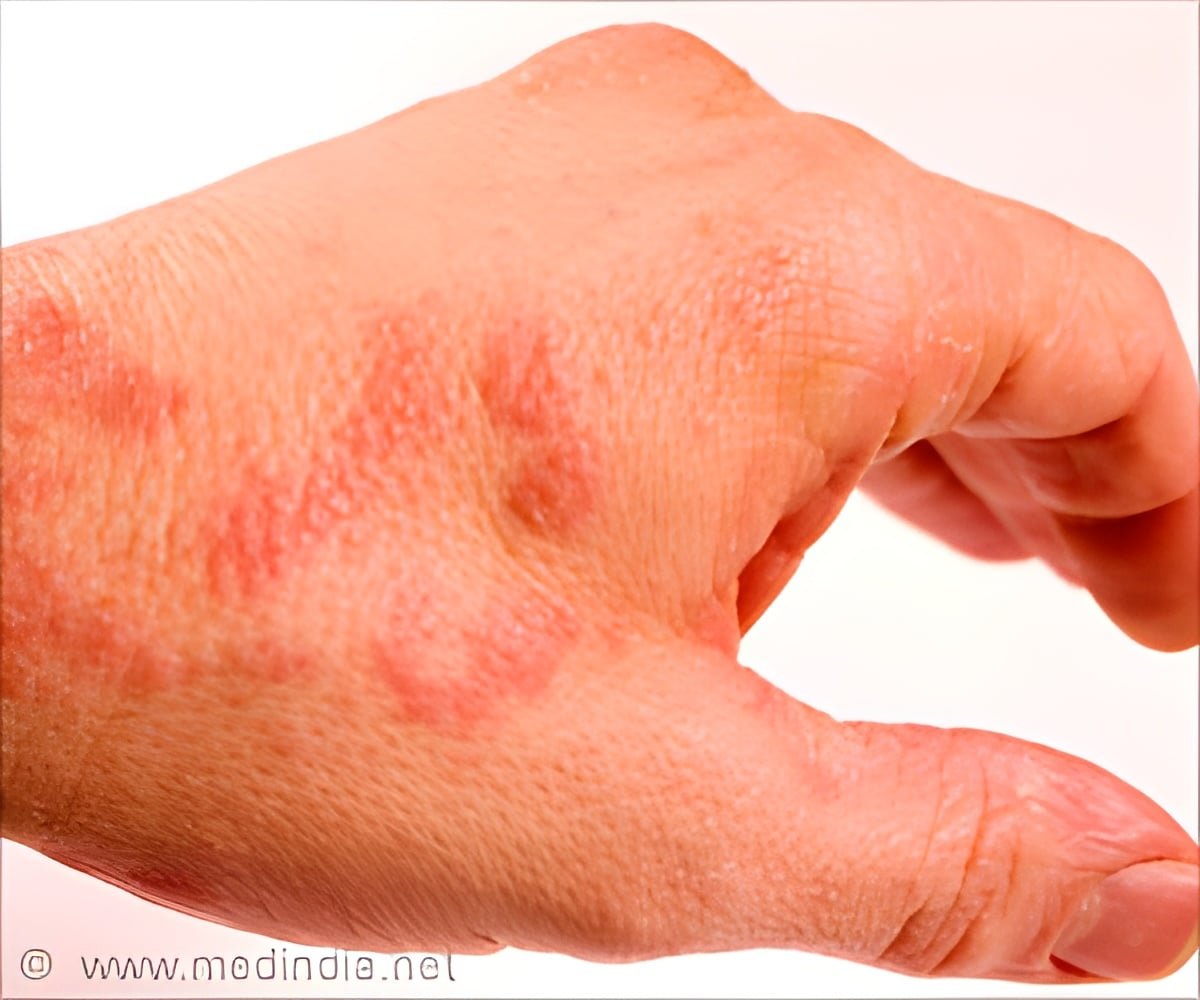
Eczema affects more than your skin. A large study suggests it may also increase the risk of developing shingles.
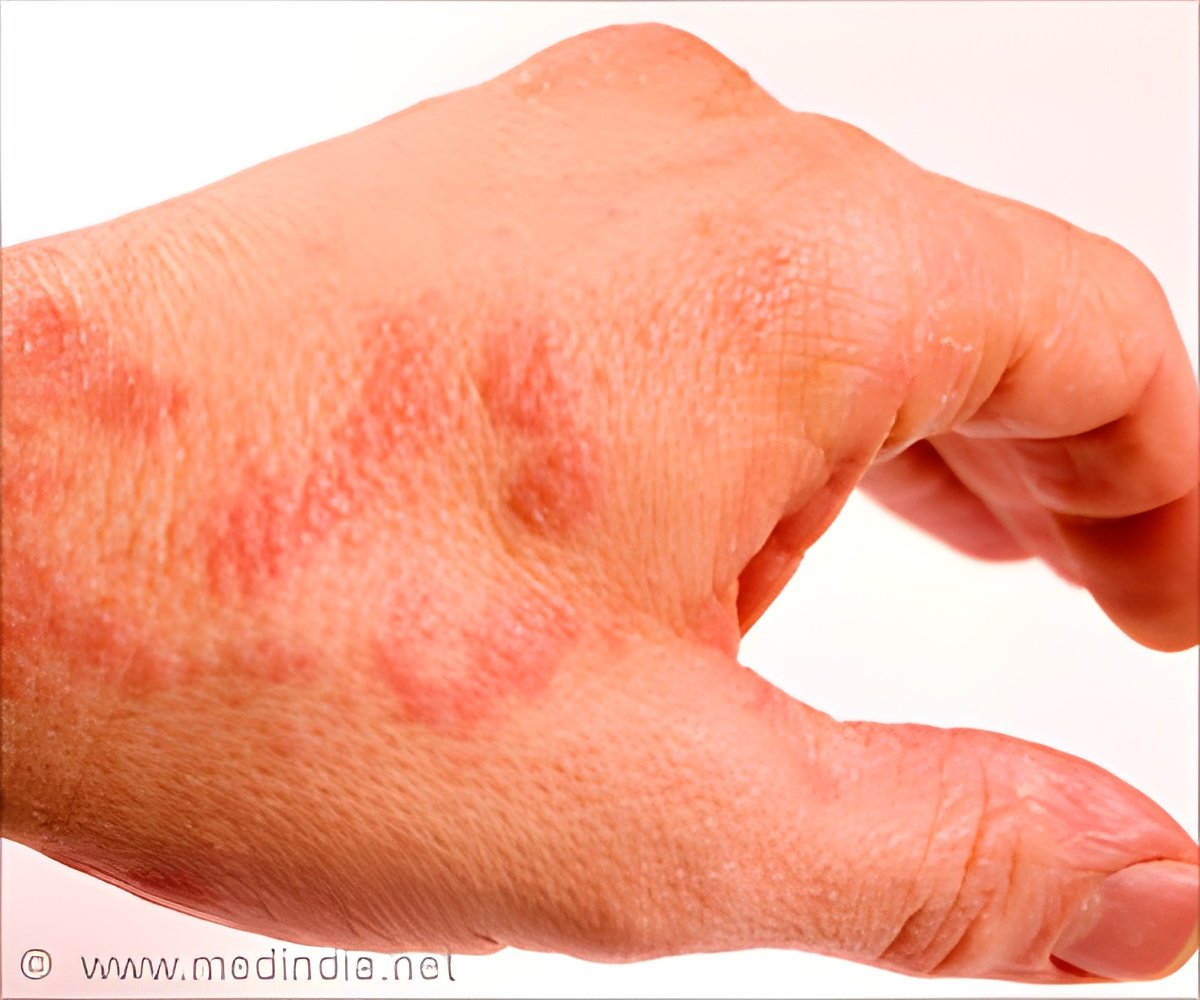
- People with atopic dermatitis had a significantly higher risk of developing shingles than those without eczema
- The increased risk appeared to rise with eczema severity and was not mainly explained by commonly used eczema medications
- The findings strengthen evidence linking eczema-related immune dysfunction with greater susceptibility to infections
For millions of people living with eczema, the daily struggle often revolves around itching, inflamed skin, disturbed sleep, and repeated flare-ups. While these symptoms are challenging enough, researchers are discovering that eczema may influence health in ways that extend far beyond the skin. A large new study suggests that people with atopic dermatitis may be more likely to develop shingles (1), adding another layer to our understanding of this common inflammatory condition.
The findings do not mean that eczema directly causes shingles. Instead, they show an important association observed in previous research, now supported by one of the largest analyses conducted to date. Scientists believe the connection may stem from changes in immune function seen in people with atopic dermatitis, making them more susceptible to certain infections. The study reinforces the importance of looking at eczema as a condition that can affect overall health, not just the skin.
Advertisement
Does Eczema Increase the Risk of Shingles?
People with atopic dermatitis had a noticeably higher likelihood of developing shingles compared with individuals without the condition. After accounting for several health conditions that could influence the results, researchers found that eczema remained associated with a 28% higher risk of shingles. Before these adjustments, the increased risk was estimated at approximately 33%, suggesting that the association persisted even after considering other medical factors.
Researchers also found that the relationship became stronger as eczema severity increased. People with more severe disease appeared more likely to develop shingles than those with milder forms, supporting the idea that the degree of immune disturbance may influence infection risk. Although observational studies cannot prove cause and effect, the consistent pattern strengthens earlier findings reported in smaller studies.
Advertisement
What is Shingles and Why does it Develop?
Shingles, medically known as herpes zoster, occurs when the varicella-zoster virus becomes active again after remaining dormant in nerve cells for many years. This is the same virus responsible for chickenpox during childhood. After recovery from chickenpox, the virus stays inactive inside the body and may reactivate later in life when immune surveillance weakens.
The condition usually causes a painful, blistering rash that appears on one side of the body or face. Many people experience burning pain, tingling, or sensitivity even before the rash develops. Older adults and people with weakened immune systems are generally at greater risk, although shingles can occur at younger ages as well. Prompt treatment with antiviral medicines can shorten illness duration and reduce complications when started early.
Advertisement
Why Might Atopic Dermatitis Increase Infection Risk?
Atopic dermatitis is more than a problem affecting the outer layer of the skin. It is a chronic inflammatory disease involving complex changes in the immune system and the skin’s protective barrier. These changes make it easier for irritants, allergens, and certain microorganisms to affect the body while altering normal immune responses.
Scientists have long observed that people with eczema are more susceptible to several skin infections, including bacterial and viral infections. The new findings suggest that this vulnerability may also extend to shingles, likely because immune dysregulation plays an important role in both conditions. Researchers believe this biological explanation makes the association scientifically plausible and consistent with previous evidence linking eczema to increased infection susceptibility.
Younger People with Eczema had a Higher Shingles Risk
To investigate the relationship, researchers analyzed electronic health records from the United Kingdom’s Clinical Practice Research Datalink Aurum database, containing information from approximately 46 million patients. The analysis compared more than 2.4 million people with atopic dermatitis with over 11.6 million individuals without the condition. During the study period, researchers identified nearly 330,000 cases of shingles, making this one of the largest investigations examining the relationship between eczema and herpes zoster.
Another important finding was that younger adults with eczema appeared to have a relatively greater increase in shingles risk than older adults. The elevated risk was highest among people aged 30 to 40 years and gradually became smaller in older age groups. Researchers suggested that shingles vaccination programs among older adults may partly explain this trend, although further research will be needed to confirm the reason.
Do Eczema Medications Explain the Higher Shingles Risk?
One important question researchers wanted to answer was whether the increased shingles risk resulted from eczema itself or from medicines used to treat it. After examining people who had received oral corticosteroids and conventional immunosuppressive medicines, the researchers found that these treatments did not substantially change the overall risk estimates. This suggests that the underlying disease, rather than commonly prescribed medications alone, may play a more important role in increasing susceptibility to shingles.
The researchers also noted an important limitation. Most of the medical records included in the study were collected before Janus kinase (JAK) inhibitors became widely available for eczema treatment. As a result, the study could not determine whether these newer targeted therapies influence shingles risk differently. Further research will be needed as more patients receive these medications over longer periods.
What do the New Findings Mean for People Living With Eczema?
The study should not cause unnecessary alarm for people with eczema. Although the relative risk was higher, most individuals with atopic dermatitis will never develop shingles. Instead, the findings encourage patients and healthcare professionals to recognize eczema as a condition involving broader immune changes rather than viewing it solely as a skin problem.
People living with eczema should continue following their prescribed treatment plans, maintain good skin care routines, and seek medical advice if they develop unusual symptoms such as burning pain, tingling, or a blistering rash on one side of the body. Early antiviral treatment works best when started within the first 72 hours after the shingles rash appears. Prompt diagnosis can also reduce the risk of complications such as postherpetic neuralgia, which causes persistent nerve pain after the rash has healed.
Should People With Eczema Consider the Shingles Vaccine?
The researchers suggested that their findings may eventually contribute to discussions about whether certain people with eczema could benefit from earlier shingles vaccination. However, the study does not change current vaccination recommendations. In the United States, the CDC currently recommends the recombinant shingles vaccine (Shingrix) for adults aged 50 years and older, as well as adults aged 19 years and older who are immunocompromised because of disease or treatment.
Whether eczema alone should become an indication for earlier vaccination remains an important research question rather than an established medical recommendation. Larger studies evaluating vaccine effectiveness specifically among people with atopic dermatitis will be necessary before clinical guidelines can be reconsidered. Until then, vaccination decisions should continue to follow national recommendations and individual medical advice.
Living with eczema involves much more than managing itchy skin. This large study adds to growing evidence that changes in the immune system associated with atopic dermatitis may also increase vulnerability to infections such as shingles. While the increased risk is important, it should be viewed as an opportunity for awareness rather than a reason for fear.
If you have eczema, continue managing your condition under medical supervision, follow recommended vaccination schedules, and seek prompt medical attention if you develop symptoms suggestive of shingles. Researchers will continue studying whether certain groups of eczema patients may benefit from different prevention strategies in the future. Understanding the connection between skin health and immune health helps patients make more informed decisions about their overall wellbeing.
Frequently Asked Questions
Which doctor should I consult if I have eczema and develop a painful rash?
Consult a dermatologist promptly, or your primary care physician, especially if you notice a painful blistering rash suggestive of shingles.
Can eczema cause shingles?
No, eczema does not directly cause shingles, but studies suggest people with atopic dermatitis have a higher risk of developing it.
What are the early symptoms of shingles?
Early symptoms often include burning pain, tingling, itching, or sensitivity followed by a painful blistering rash on one side of the body.
Does severe eczema increase shingles risk more than mild eczema?
Yes, this study found that shingles risk increased with greater severity of atopic dermatitis.
Should people with eczema get the shingles vaccine earlier?
Current vaccination recommendations remain unchanged, and you should discuss your individual risk with your healthcare provider.
References:
- Atopic dermatitis is associated with herpes zoster in adults – A matched cohort study using electronic health records data in England
(Schober AK, Langan SM, Williams HC, Forbes H, Matthewman J. Atopic dermatitis is associated with herpes zoster in adults – A matched cohort study using electronic health records data in England. JDDG: Journal der Deutschen Dermatologischen Gesellschaft. 2026; 1-8. https://doi.org/10.1111/ddg.70329)
Source-Medindia