

Close Menu

    Subscribe to Updates

    Get the latest news information from worldwide businesses.

    What's Hot

    Scientists reveal what sparkling water really does to your teeth

    July 27, 2026

    Experts call for timely screening, vaccination against hepatitis infections

    July 27, 2026

    Could You Be Among the 25-30% of Indians With Varicose Veins?

    July 27, 2026
    Facebook Instagram YouTube LinkedIn X (Twitter)
    Trending
    • Scientists reveal what sparkling water really does to your teeth
    • Experts call for timely screening, vaccination against hepatitis infections
    • Could You Be Among the 25-30% of Indians With Varicose Veins?
    • Altana CEO: Tariffs didn’t restore US manufacturing jobs
    • Power up your AI infrastructure! A first look at the Smart Systems Stage agenda at TechCrunch Disrupt 2026 
    • No proposal for one-time waiver of loans of small, marginal farmers: MoS Finance
    • Air India’s transformation 5-10 year journey; significant progress made: Tata Sons Chairman
    • Centre to release Rs 335 crore to Maharashtra as second instalment under RKVY scheme: Agriculture Minister Shivraj Singh Chouhan
    Newspublicly
    • About Us
    • Advertise & Partner with us
    • Pitch Your Story
    • Contact Us
    Facebook Instagram LinkedIn X (Twitter)
    Subscribe
    • Home
    • World News
      • Asia
      • India
      • USA
      • UK & Europe
      • Middle East
    • Economy & Business
      • Global Economy
      • Corporate & Industry
      • Finance & Markets
      • Policy & Trade
    • Technology
      • Gadgets & Devices
      • Software & Apps
      • AI & Machine Learning
      • Robotics & Automation
    • Health & Medicine
      • Fitness & Nutrition
      • Research & Innovation
      • Disease & Treatment
      • Doctors, Clinics & Patient Care
    • Travel & Tourism
    • Automobile
      • Electric & Hybrid Vehicles
      • Auto Industry Insights
    • Sports
    • More
      • Education
      • Real Estate
      • Environment & Climate
      • Space & Astronomy
      • War & Conflicts
    Newspublicly
    Home»Health & Medicine»Research & Innovation»These insect submariners survive depths that should crush them
    Research & Innovation

    These insect submariners survive depths that should crush them

    AdminBy AdminJuly 27, 2026No Comments3 Mins Read0 Views
    Share
    Facebook Twitter LinkedIn Copy Link WhatsApp


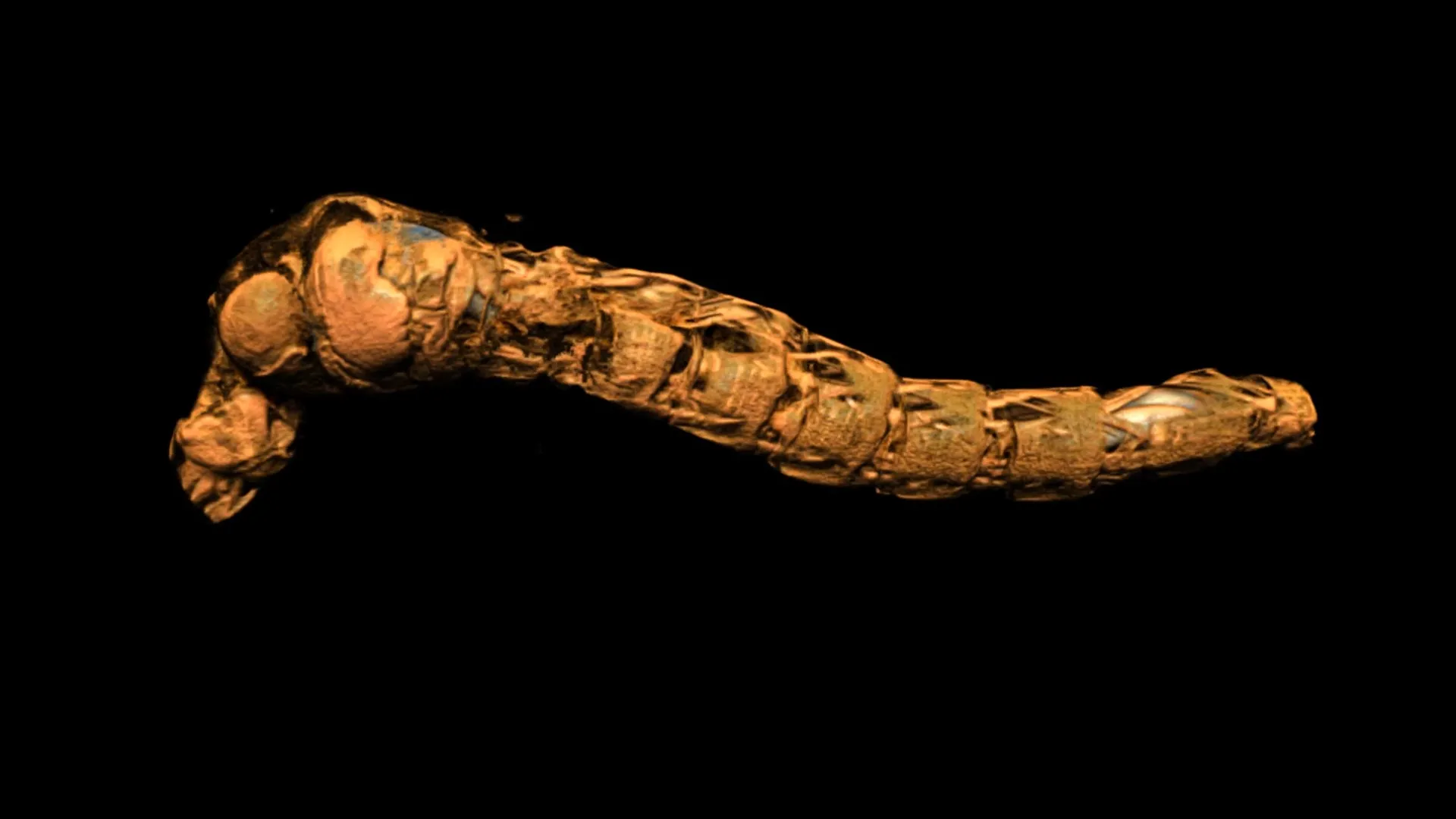
    Deep-diving insect larvae in an African lake are forcing scientists to reconsider a popular explanation for why insects are almost entirely absent from the open ocean. Their secret is a remarkably durable system of air sacs that can tolerate far more pressure than researchers expected.

    Billions of lake fly larvae (Chaoborus edulis), living in Lake Malawi in East Africa, complete an extraordinary vertical migration every day.

    During daylight hours, the larvae descend more than 200 meters into a deep region of the lake with very little oxygen. This area, often called a dead zone, offers shelter from predators that cannot easily survive there. After dark, the larvae rise toward the surface to feed, although they must first pass through large numbers of fish waiting to eat them.

    To track this daily movement, UBC researchers Drs. Philip Matthews and Evan McKenzie placed a sonar system on the lake floor. The equipment allowed them to observe the enormous groups of larvae as they moved through the water.

    Tiny Air Sacs Work Like Ballast Tanks

    When the researchers examined the larvae, they discovered that the insects had adapted part of their respiratory system into two pairs of small air sacs.

    These sacs act much like the ballast tanks of a submarine. By adjusting their size, the larvae can change their buoyancy and control whether they rise or sink in the lake.

    The walls of the sacs contain resilin, an unusually elastic material found in many insects. The larvae can alter the pH of the sac walls, causing the resilin to expand or contract. This changes the volume of the air sacs and gives the larvae precise control over their depth.

    Air Sacs Survive Extreme Water Pressure

    The researchers next placed the larvae inside miniature pressure chambers to determine how much pressure the air sacs could withstand before collapsing.

    The results were striking. The sacs survived pressures equal to those found at depths of more than 400 meters, which is far deeper than the larvae normally travel during their daily migration.

    Insects are highly successful on land and in fresh water, yet the open ocean contains virtually none. One widely discussed explanation is that the intense pressure at greater depths would crush the air spaces used by insects for breathing.

    The toughness of these larvae suggests that pressure alone may not fully explain why insects never established themselves throughout the ocean.

    Biological Rubber Could Inspire New Materials

    Scientists have previously studied resilin because it behaves almost like a perfect biological rubber. In other insects, it helps form durable structures such as wing hinges and tendons that must bend repeatedly without wearing out.

    The newly discovered buoyancy system could also contribute to efforts to develop smart materials made with resilin. Researchers may eventually use similar mechanisms to create artificial muscles or other materials that move when triggered by a chemical change in pH.

    This project was partially funded by Natural Sciences and Engineering Research Council of Canada Discovery and Accelerator grants.


    Source link

    Author

    • Admin

      NewsPublicly.com is News & Articles Platform that creating SEO-focused articles on travel, lifestyle, and digital trends.

    Admin
    • Website

    NewsPublicly.com is News & Articles Platform that creating SEO-focused articles on travel, lifestyle, and digital trends.

    Related Posts

    Scientists reveal what sparkling water really does to your teeth

    July 27, 2026

    Your dreams aren’t random. Your brain is rewriting reality

    July 27, 2026

    Hidden genetic diversity helped inbred brown tree snakes conquer guam

    July 26, 2026
    Leave A Reply Cancel Reply

    Demo
    Top Posts

    The Blue Moon rises on May 30— Where and when to see the second full moon of the month

    May 30, 202640 Views

    New SOCOM rifle allows barrel swapping and cartridge changes

    June 1, 202633 Views

    “Inside Gemini Robotics 1.5: How Robots Learn to Reason & Act

    November 22, 202527 Views

    525 pounds of cocaine seized after Nebraska K9 alerts troopers on I-80

    May 28, 202624 Views
    Don't Miss

    Scientists reveal what sparkling water really does to your teeth

    July 27, 20264 Mins Read0 Views

    Unsweetened sparkling water may be a better option for teeth than sugar-sweetened soda, according to…

    Experts call for timely screening, vaccination against hepatitis infections

    July 27, 2026

    Could You Be Among the 25-30% of Indians With Varicose Veins?

    July 27, 2026

    Altana CEO: Tariffs didn’t restore US manufacturing jobs

    July 27, 2026
    Stay In Touch
    • Facebook
    • Twitter
    • Instagram
    • YouTube
    • LinkedIn
    • WhatsApp

    Subscribe to Updates

    Get the latest creative news from SmartMag about art & design.

    Demo
    NEWSPUBLICLY
    Facebook X (Twitter) Instagram LinkedIn

    Home

    • About Us
    • Leadership
    • Advertise & Partner With Us
    • Pitch Your Story
    • Media Kit & Pricing
    • Career
    • FAQs

    Guidelines

    • Editorial & Submission
    • Partnership
    • Advertising & Sponsor
    • Intellectual Property Policy
    • Community & Comment
    • Security & Data Protection
    • Send Your Opinion

    Quick Links

    • Cookie Policy
    • Payment & Billing Terms
    • Refund & Cancellation
    • Copyright Policy
    • Complaint & Support
    • Sitemap
    • Contact Us

    Subscribe Us

    Get the latest news and updates!

    Copyright © 2026 Newspublicly (DIGITALIX COMMUNICATION). All Rights Reserved.
    • Privacy Policy
    • Terms of Use
    • Disclaimer