

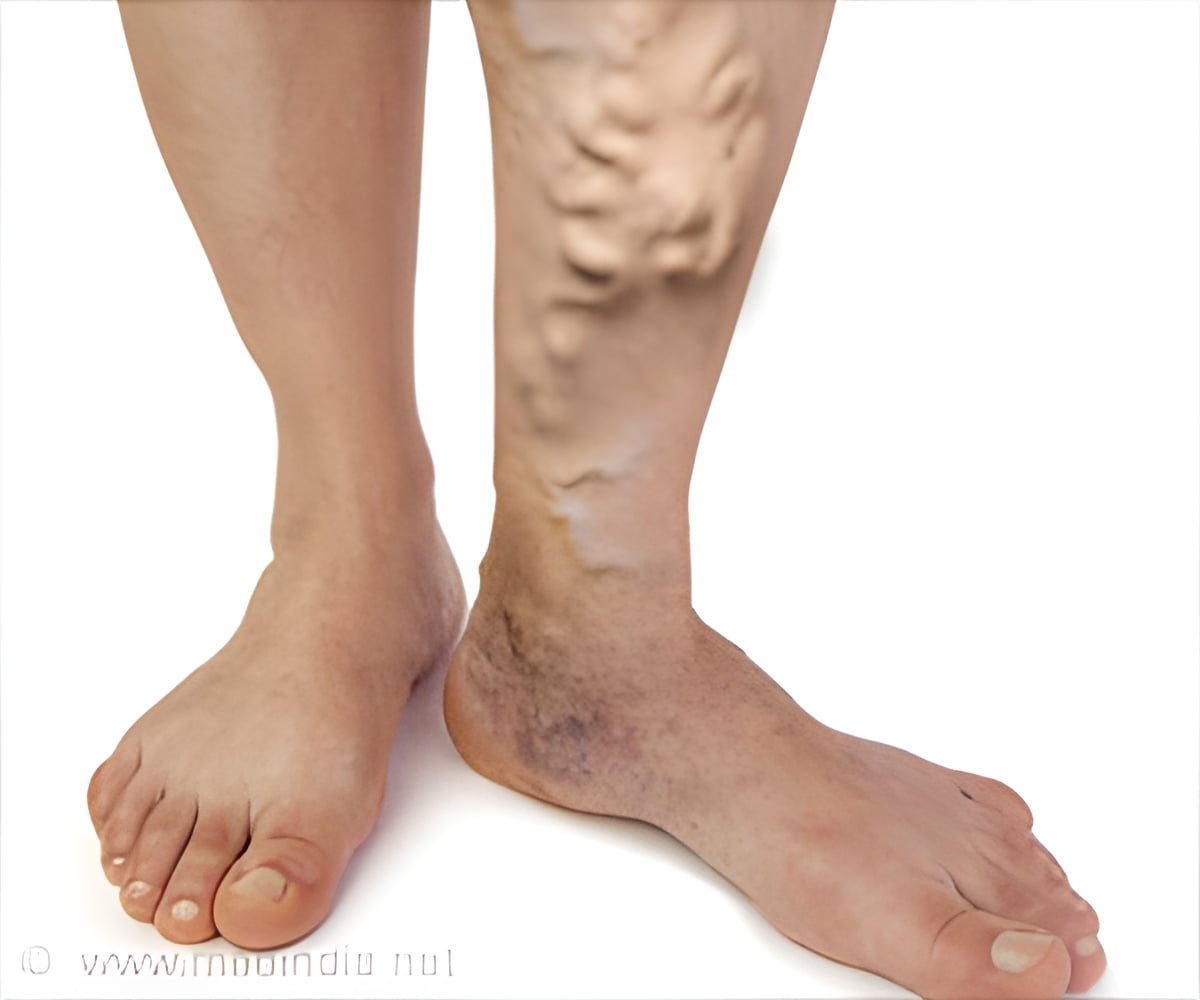
Varicose veins often develop gradually, making it easy to overlook early symptoms such as aching legs and visible veins.
With nearly one in four Indians experiencing varicose veins, this condition has become a growing concern affecting daily comfort and mobility.
A few factors, like faulty vein valves and poor blood flow, play a major role, and timely Doppler testing is important for preventing complications.
According to a discussion Dr. Pal Manickam, the social media-famous gut doctor, had with Dr. Abhishek Bansal, Senior Consultant and Chief of Interventional Radiology, on Gut Feeling with Dr. Pal, he emphasized that almost 25-30% of Indians suffer from varicose veins (1✔ ✔Trusted Source
A Brief Overview of Varicose Veins in India
He further urged that people should not ignore the signs in the early stages and get a Doppler ultrasound of the leg to know the condition of the disease and get it promptly treated.
In addition, he also warned that if the signs go unnoticed and timely treatment is not provided, one may have to face serious complications.
“If you don’t treat them, the next stages are color changes. The legs become black in color. You’ll get ulcers in the leg… And the worst possibility is that clots form in the leg and they migrate to the heart. It’s very rare, but it does cause emergencies.” Dr. Pal Manickam said.
Advertisement
Could Your Leg Pain Be More Than Fatigue? Spot the Symptoms of Varicose Veins
“Varicose veins are enlarged, twisted veins that occur when the valves in the veins of the legs weaken, resulting in pooling of blood,” Dr. Abishek explains.
Persistent leg pain may be more than simple fatigue. Common varicose vein symptoms include aching legs, swelling, heaviness, muscle cramps, itching, and bulging veins.
Early diagnosis with a Doppler ultrasound can assess blood circulation and support timely treatment.
Untreated varicose veins can lead to complications such as leg swelling, skin changes, venous ulcers, blood clots, and bleeding due to poor blood circulation and increased vein pressure.
The condition is remarkably common. “Studies suggest that varicose veins affect about one in four adults, although the prevalence varies depending on age, occupation, and gender. They are more common in women, older adults, people living with obesity, and those whose jobs require prolonged standing,” Dr. Bansal added.
Advertisement
Why Is a Doppler Ultrasound the Gold Standard for Diagnosing Varicose Veins
A Doppler ultrasound is a simple, painless scan that shows how blood flows through your veins. It helps doctors diagnose varicose veins, identify faulty vein valves, detect poor blood circulation, and choose the right treatment based on the severity of the condition (2✔ ✔Trusted Source
Ultrasound Doppler Evaluation of the Pattern of Involvement of Varicose Veins in Indian Patients
).
Advertisement
From Lifestyle Changes to Advanced Procedures: How Are Varicose Veins Treated?
Varicose vein treatment depends on the severity of the condition. Mild cases may improve with compression stockings, exercise, and leg elevation, while advanced cases may require sclerotherapy, laser treatment (EVLT), or radiofrequency ablation (RFA). A Doppler ultrasound helps guide the right treatment plan.
When your veins slow down, your body sends signals. Recognizing them early can make all the difference.
Don’t ignore aching legs or visible veins. Early diagnosis, proper treatment, and healthy circulation habits can help protect your vein health for the long term.
References:
- A Brief Overview of Varicose Veins in India – (https://www.researchgate.net/publication/397012188_A_Brief_Overview_of_Varicose_Veins_in_India)
- Ultrasound Doppler Evaluation of the Pattern of Involvement of Varicose Veins in Indian Patients – (https://pmc.ncbi.nlm.nih.gov/articles/PMC3077159/)
Source-Medindia