

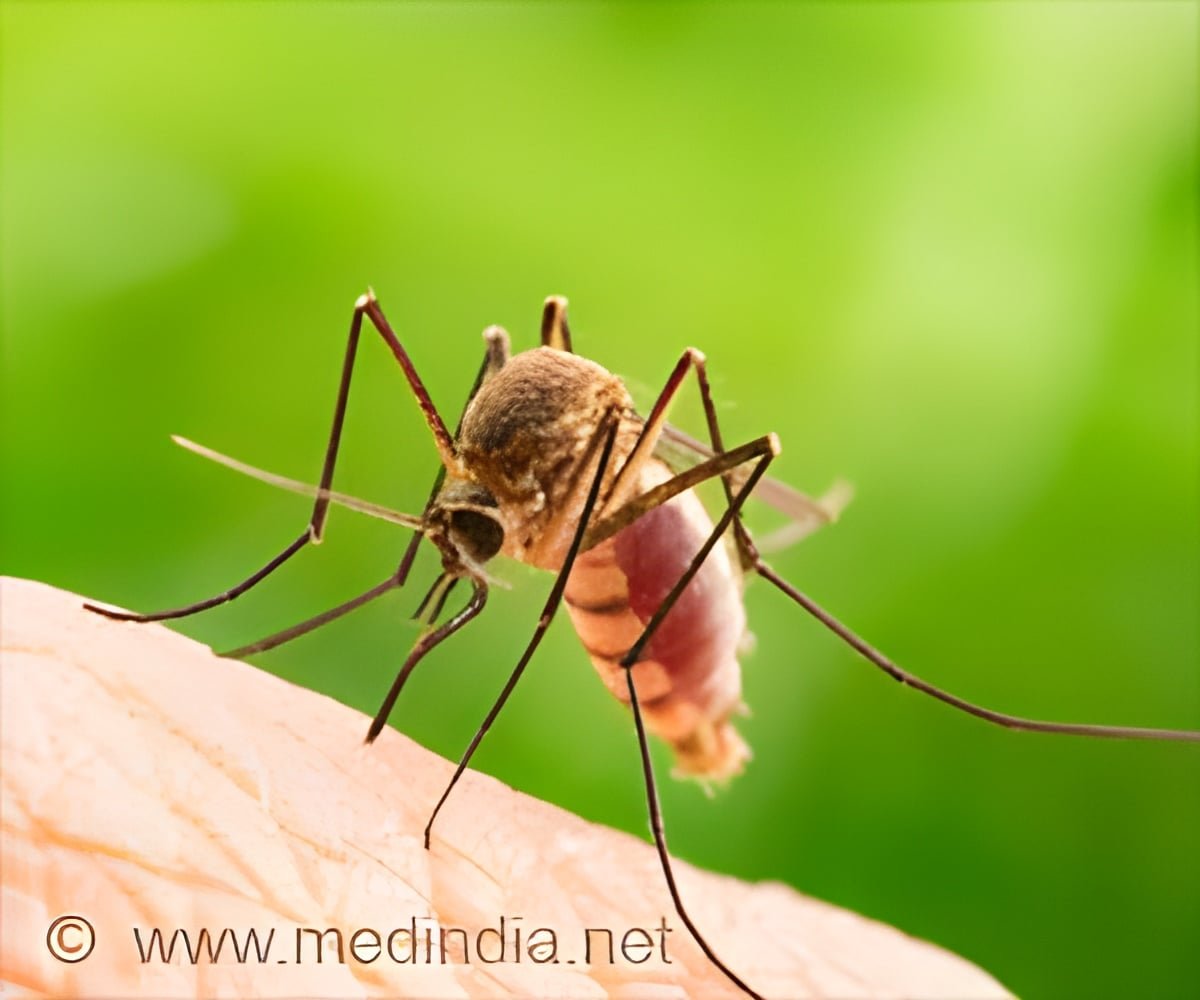
The US CDC and UKHSA have warned travelers about rising chikungunya and yellow fever risks in several countries, urging stronger mosquito bite prevention.
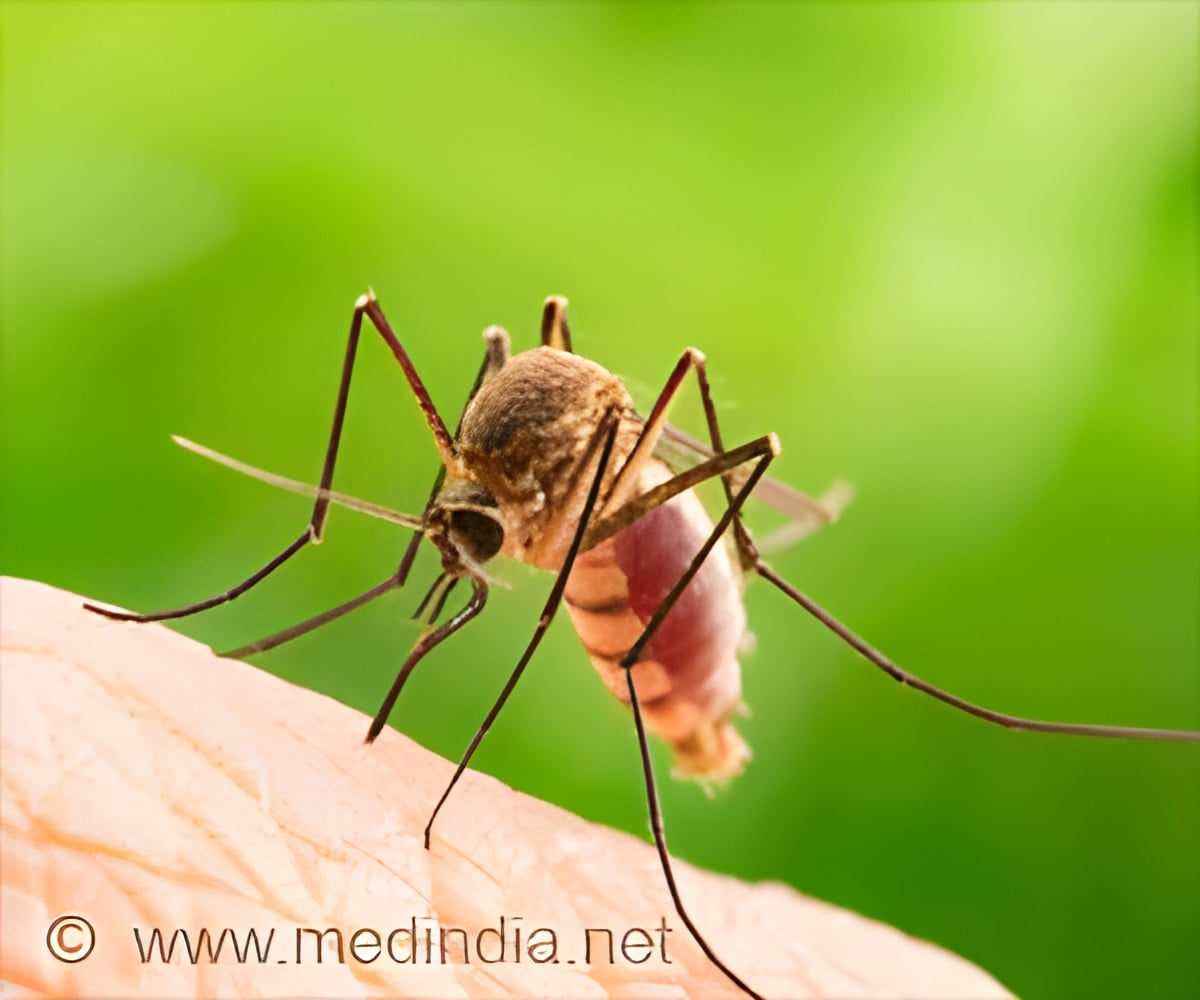
The US Centers for Disease Control and Prevention (CDC) and the UK Health Security Agency (UKHSA) have issued travel health advisories following increasing concerns over chikungunya outbreaks and rising yellow fever activity in several countries. The agencies are advising travelers to take extra precautions against mosquito bites before visiting affected destinations (1✔ ✔Trusted Source
Chikungunya in Costa Rica
).
The CDC has issued a Level 2 Travel Health Notice for Costa Rica after a chikungunya outbreak in Guanacaste Province, while the UKHSA has reported a rise in travel-associated chikungunya infections and highlighted increasing yellow fever activity across parts of South America and Africa.
Advertisement
CDC Issues Level 2 Travel Health Notice
The CDC warned American travelers to “practice enhanced precautions” after Costa Rica reported a chikungunya outbreak.
On July 1, Costa Rica’s Ministry of Health declared an active outbreak in the oceanside community of Playa Langosta in the western province of Guanacaste.
An epidemiological survey identified 45 suspected cases, of which four were laboratory confirmed, while 17 others were considered likely linked to the outbreak.
According to the US Embassy in Costa Rica, the cases include both Costa Rican nationals and foreign visitors. The embassy said local transmission means the virus is now circulating among the local mosquito population rather than being limited to infected travelers.
Costa Rica has reported 16 total cases this year, with the previous reported case dating back to 2017.
Advertisement
UKHSA Warns Over Rising Chikungunya Cases
The UK Health Security Agency issued a warning for holidaymakers travelling to affected regions as imported chikungunya cases continue to rise.
“Are you, or someone you know, heading off on a tropical trip? It’s worth being aware of chikungunya, a mosquito-borne virus that can cause severe joint pain. Check out our blog post to learn how to stay protected,” the UKHSA said in a post on X.
UKHSA reported 112 confirmed and probable chikungunya cases among travelers returning to England, Wales and Northern Ireland in 2024, almost one and a half times the number reported in 2023.
“Travel to India accounted for the majority of these cases, followed by travel to Pakistan and Brazil—all popular destinations for people travelling from the UK,” the agency added.
Advertisement
Yellow Fever Alert Issued for Multiple Countries
The UK government-backed Travel Health Pro has also warned travelers about increasing yellow fever activity (2✔ ✔Trusted Source
Yellow fever update
).
Since the beginning of 2026, 95 confirmed yellow fever cases have been reported globally.
Confirmed cases have been reported in Bolivia, Brazil, Colombia, Ecuador, Peru, Venezuela, Burkina Faso, the Central African Republic, and Cameroon.
The advisory noted that 2025 recorded a 5.6-fold increase in yellow fever cases compared with 2024.
What Is Chikungunya?
Chikungunya is a mosquito-borne viral disease transmitted primarily by Aedes aegypti and Aedes albopictus mosquitoes, the same mosquitoes that spread dengue fever. Symptoms usually appear three to seven days after the bite of an infected mosquito. Common symptoms include sudden fever, severe joint pain, headache, nausea, fatigue, and rash, which occurs in about half of cases.
Unlike dengue, chikungunya can cause lingering joint pain and fatigue that may persist for weeks, months, or even years. People at higher risk of severe illness include newborns, older adults, and those with hypertension, diabetes, or heart disease. The mosquitoes that spread chikungunya commonly breed in stagnant water found in overhead tanks, coolers, and unused containers.
What Is Yellow Fever?
Yellow fever is a viral disease transmitted through the bite of infected mosquitoes. The illness can become severe and may be fatal in some cases if not managed appropriately. Vaccination is recommended before travelling to certain affected regions.
Initial Symptoms
Early symptoms of yellow fever include fever, chills, severe headache, back pain, general body aches, nausea, vomiting, fatigue, and weakness.
Severe Symptoms
In severe cases, the disease may progress to high fever, yellowing of the skin or eyes (jaundice), bleeding, shock, and organ failure.
How Can Travelers Protect Themselves?
Travelers visiting regions with active chikungunya or yellow fever transmission are advised to stay informed about local health recommendations and take appropriate precautions to reduce mosquito bites. For destinations where yellow fever vaccination is recommended or required, travelers should check vaccination requirements before departure.
References:
- Chikungunya in Costa Rica
– (https://wwwnc.cdc.gov/travel/notices/level2/chikungunya-costa-rica) - Yellow fever update – (https://travelhealthpro.org.uk/news/765/yellow-fever-update)
Source-Medindia