

Chronic pain, as defined by the International Association for the Study of Pain (IASP), is pain that persists beyond normal healing time or reoccurs for more than three months. Globally, approximately 20% of the adult population is affected by chronic pain. Malnutrition, unhealthy dietary behaviours, and a suboptimal dietary intake all have an impact on the occurrence, development, and prognosis of chronic pain. Nutrition is now recognised as a modifiable lifestyle factor in integrated pain management.

Diet and pain
The origin of chronic pain is primarily from musculoskeletal, neuropathic, or inflammatory conditions. Common examples include arthritis, fibromyalgia (widespread musculoskeletal pain, profound fatigue, sleep disturbances etc.), chronic back pain, migraines, diabetic neuropathy, endometriosis, menopause-related symptoms, gastrointestinal disorders and complex regional pain syndrome.
Unhealthy dietary habits can lead to dysregulation of gut microbiota, contributing to chronic pain through inflammatory pathways. Suboptimal dietary intake and unhealthy dietary behaviours can lead to poor nutritional status/malnutrition that is prevalent among individuals experiencing chronic pain. This includes the consumption of excessive calories, added sugars, and saturated fats, in greater than recommended amounts, as well as a low intake of essential nutrients such as vitamin D, omega-3 fatty acids, and magnesium. Dietary changes, such as an increased consumption of high-fat foods over time, have also been seen in patients experiencing chronic pain.

Glucose metabolism
Diabetes significantly increases the risk of chronic pain conditions, highlighting the importance of maintaining glucose levels for pain management, especially in cases of fibromyalgia and chronic low back pain. Musculoskeletal pain often exhibits disturbed glucose metabolism, including increased fasting glucose and insulin resistance. Excessive carbohydrate intake leads to oxidative stress and causes inflammation in the nervous system. Low-carbohydrate diets, including ketogenic diets, have shown improvements in glucose metabolism and reduced pain sensitivity.

Lipid metabolism
Lipid metabolism disturbances are linked to various health conditions and play a role in chronic pain management. A high intake of saturated fats and junk foods can increase LDL cholesterol and triglycerides, raising cardiovascular disease risks. Low back pain prevalence is inversely associated with serum HDL cholesterol and positively associated with triglycerides and LDL cholesterol. Fibromyalgia patients also often show disrupted lipid profiles, correlating with increased pain sensitivity. Dietary interventions targeting lipid metabolism may offer promising strategies to help manage chronic pain.

Obesity
Obesity is a major risk factor for chronic pain, contributing to inflammation and mechanical stress on the body. Obesity is associated with a pro-inflammatory state and is linked to chronic musculoskeletal pain conditions including osteoarthritis and fibromyalgia. Increased adipose tissue correlates with higher levels of inflammatory cytokines, which can exacerbate pain. Dietary patterns high in saturated fats can elevate inflammatory cytokine levels, contributing to chronic pain. Weight management strategies may improve pain sensitivity and overall health, in chronic pain populations.

Nutrition assessments
Chronic pain can drastically affect patients causing disability and emotional distress and leading to poor quality of life. A biopsychosocial method is required to approach chronic pain, where biological, psychological, and social factors are addressed.
First, an evaluation is necessary to better understand biopsychosocial chronic pain. This integrated approach takes into account lifestyle factors such as physical activity, exercise, sleep, stress, and nutritional levels.
A thorough nutrition assessment is crucial for effective chronic pain management, addressing various nutrition-related risk factors. Nutrition assessments should be conducted early in treatment to identify malnutrition, weight changes, and comorbidities. Validated malnutrition screening tools can help identify individuals at risk of malnutrition, particularly older adults and those with specific pain conditions. Monitoring weight changes can provide insights into the nutritional status of patients and potential health issues. Identifying comorbidities including cardiovascular disease and diabetes is essential, as they can influence pain experiences and treatment outcomes.

Nutrition treatments
The diet of an individual is a crucial lifestyle factor that significantly impacts the management and prognosis of chronic pain. To heal damaged tissues from injuries, sufficient nutrients in the diet are required. While food is not a cure by itself, correct dietary choices can help reduce inflammation, improve the immune system, and complement medical therapy.
Protein-rich diets can promote tissue healing and reduce inflammation, potentially alleviating pain symptoms through various mechanisms, including neurotransmitter synthesis. Micronutrients play essential roles in pain modulation. Omega-3 fatty acids reduce joint inflammation and improve muscle recovery. Vitamin D deficiency correlates with increased pain severity in conditions like fibromyalgia. Magnesium may alleviate pain by relaxing muscles, while antioxidants such as vitamins C and E can reduce oxidative stress and inflammation, contributing to pain relief.
Towards healthy diets
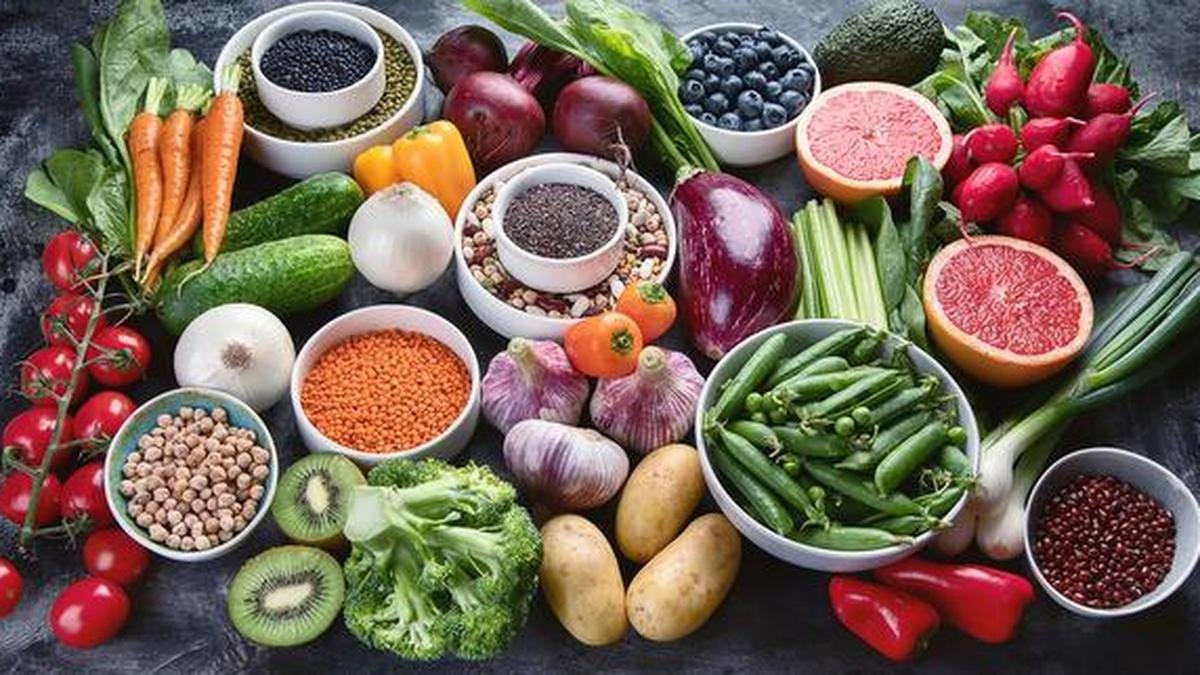
Dietary patterns such as the Mediterranean and The DASH (Dietary Approaches to Stop Hypertension) emphasise vegetables, fruits, whole grains, lean proteins, and low-fat dairy while minimising salt, added sugars, and saturated fats are linked to reduced inflammation and improved pain outcomes in chronic pain conditions.
Traditional Indian diets, when balanced and minimally processed, can be protective. Ingredients such as turmeric, ginger, garlic, lentils, millets, vegetables, and fermented foods have long been valued not just for flavour, but for their health-promoting properties.
In a world where pain is often treated only after it becomes severe, rethinking food as part of pain resilience offers a hopeful perspective. What we eat every day quietly shapes our body’s ability to heal, adapt, and cope. The path to better pain management, therefore, may begin not just in the clinic, but also in the kitchen.
(Dr. Rama R. is associate professor & head, department of epidemiology, Cancer Institute (WIA); Dr. Parvathi K., is senior dietician, department of dietetics, Cancer Institute (WIA).)
(This article was first published in The Hindu’s e-book, Pain and Relief: Demystifying the Science of Suffering)
Published – July 13, 2026 10:53 am IST