

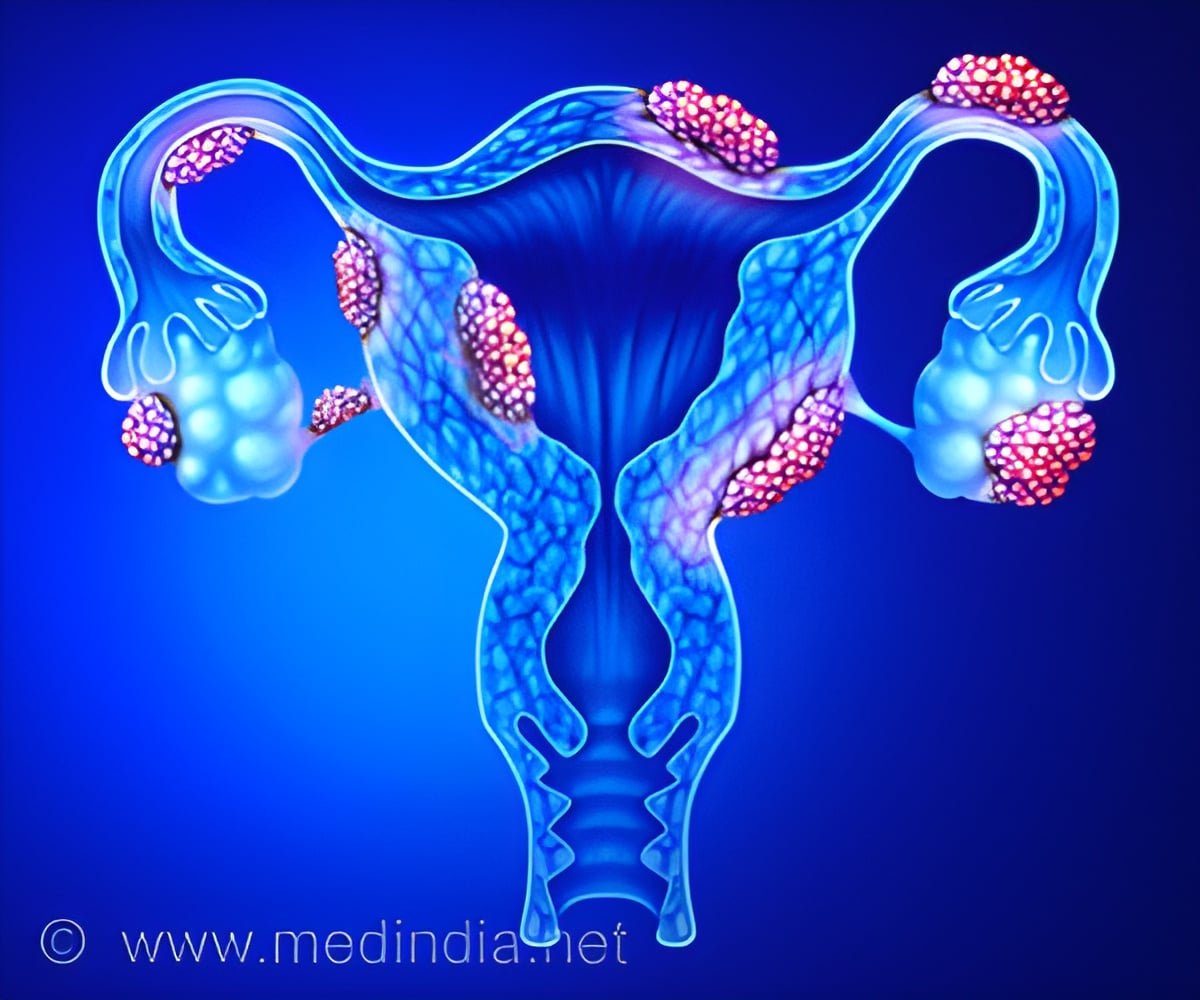
A blood test measuring androgen hormones identified endometriosis with over 95% accuracy in a study led by the University of Edinburgh.
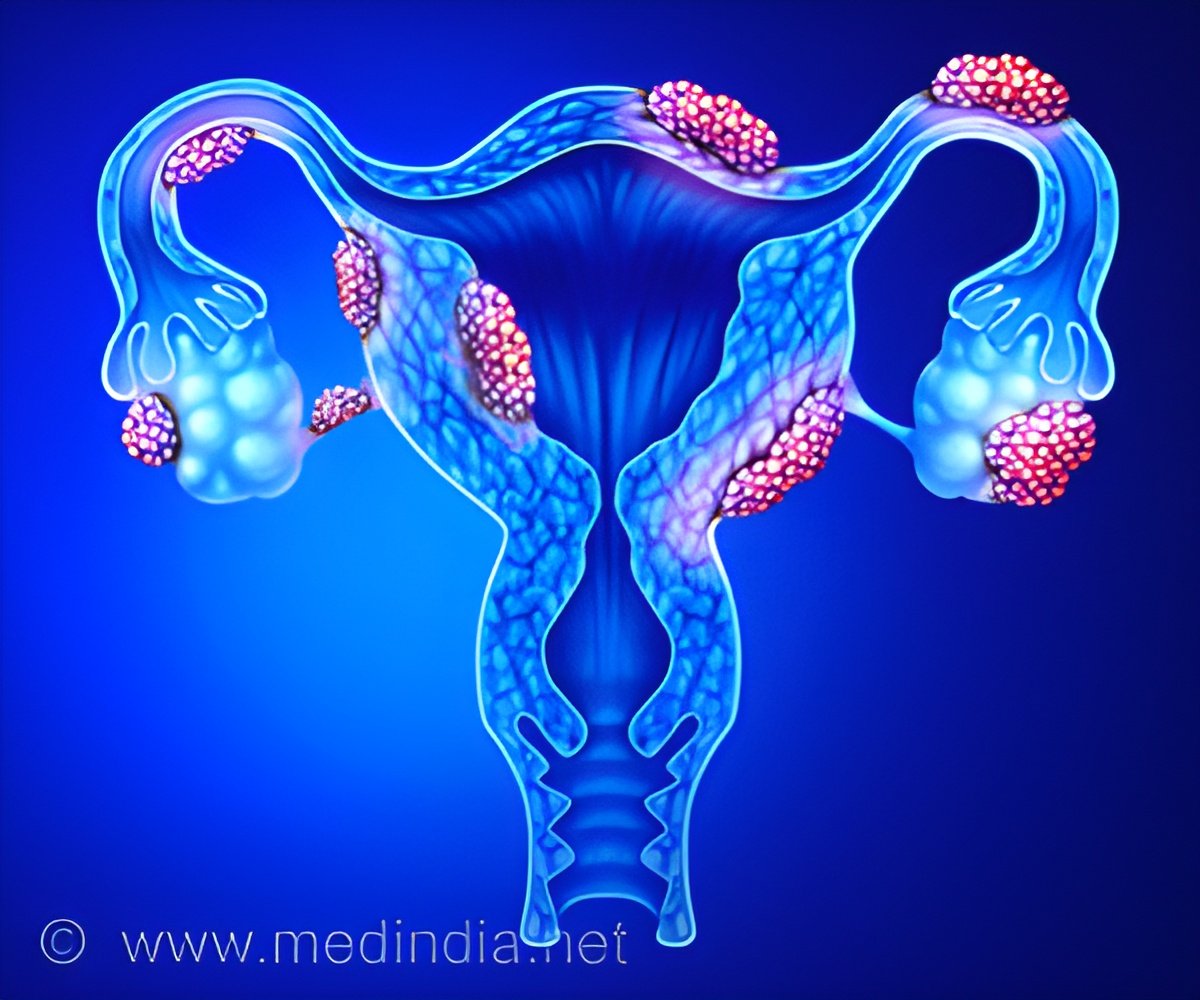
A new blood test for endometriosis that measures androgen hormone levels may help diagnose the condition with more than 95 percent accuracy, according to research led by the University of Edinburgh. The findings could pave the way for faster and less invasive diagnosis of a disease that affects an estimated 190 million women and girls worldwide (1✔ ✔Trusted Source
Hormone differences point to endometriosis blood test
).
Researchers found that women with endometriosis have a distinct androgen hormone signature in their blood. If confirmed in larger studies, the test may help identify the condition earlier and reduce dependence on invasive diagnostic procedures.
Advertisement
What Is Endometriosis and Why Does It Affect Millions of Women?
According to the World Health Organization (WHO), endometriosis is a chronic condition in which tissue similar to the lining of the uterus grows outside the uterus. It most commonly affects the ovaries, fallopian tubes and the tissue lining the pelvis.
The condition can begin with a person’s first menstrual period and continue until menopause. Common symptoms include severe pelvic pain, painful periods, pain during intercourse, bowel or urinary symptoms during menstruation, and difficulty conceiving.
Advertisement
What Are the Most Common Endometriosis Symptoms Women Should Know?
Many women with endometriosis experience symptoms that can significantly affect their quality of life. These include chronic pelvic pain, heavy or painful menstrual periods, pain during sexual intercourse, fatigue, gastrointestinal symptoms, and fertility challenges.
Because these symptoms overlap with several other conditions, women may experience delays in receiving an accurate diagnosis, sometimes waiting years before the condition is identified.
Advertisement
How Is Endometriosis Diagnosed? Current Tests and Challenges Explained
Diagnosing endometriosis remains a major challenge. Current methods include ultrasound, MRI scans, and laparoscopy—a surgical procedure in which a camera is inserted through a small incision in the abdomen to confirm the presence of endometrial-like tissue.
While imaging tests can help identify some cases, laparoscopy remains an important diagnostic tool in many women, highlighting the need for simpler and more accessible approaches.
Can This New Blood Test Transform Endometriosis Diagnosis?
The research team analyzed blood samples from 159 women with confirmed endometriosis and 57 women without the condition. Their investigation focused on androgen hormones, including a lesser-studied group known as 11-oxygenated androgens, which are produced by the adrenal glands.
The researchers discovered that women with endometriosis consistently had higher levels of 11-ketotestosterone, one of the 11-oxygenated androgens.
Using this distinct hormone profile, the team was able to differentiate women with and without endometriosis, correctly identifying more than 95 per cent of those with the condition.
If validated in larger clinical studies, the test could reduce reliance on invasive diagnostic procedures such as laparoscopy and help women receive treatment much earlier.
What Is the Role of Androgen Hormones in Endometriosis?
While endometriosis is known to be influenced by the female hormones estrogen and progesterone, the role of androgens—often referred to as male hormones, though they are naturally present in women as well—has received comparatively little attention.
The researchers believe the newly identified androgen signature could improve understanding of how the disease develops and progresses. The findings may also help guide future research into more personalized approaches to diagnosing and managing the condition.
New Hope for Earlier Endometriosis Detection and Women’s Health
Although additional clinical studies are needed before the blood test can be used routinely, the findings offer encouraging evidence that diagnosing endometriosis may become simpler in the future. Earlier detection could help women access appropriate care sooner and potentially reduce the long diagnostic journey associated with this common gynecological condition.
References:
- Hormone differences point to endometriosis blood test
– (https://www.ed.ac.uk/news/hormone-differences-point-to-endometriosis-blood-test) - Endometriosis
– (https://www.who.int/news-room/fact-sheets/detail/endometriosis)
Source-Medindia