


New Jersey’s controversial new e-bike law was pitched as a way to improve safety, but with its July 19 implementation date rapidly approaching, a growing number of riders, advocates, and even lawmakers are arguing that the state may have gone too far.
A rally at the New Jersey Statehouse last week drew a large crowd of supporters calling for the law to be amended or replaced. At the center of the controversy is the fact that the legislation treats nearly every type of e-bike the same, from a 20 mph (32 km/h) pedal-assist commuter bike to the much faster electric motorcycles and e-motos that have become increasingly common on streets.
The law requires all e-bikers to be licensed in the state and sets out insurance and registration requirements.
The distinction between electric bicycles and e-motos is one that many of us in the e-bike industry have been making for years. While media headlines often lump everything with two wheels and a battery into the “e-bike” category, there’s a world of difference between a Class 1 or Class 2 electric bicycle and a high-powered electric motorcycle that can easily keep up with city traffic.
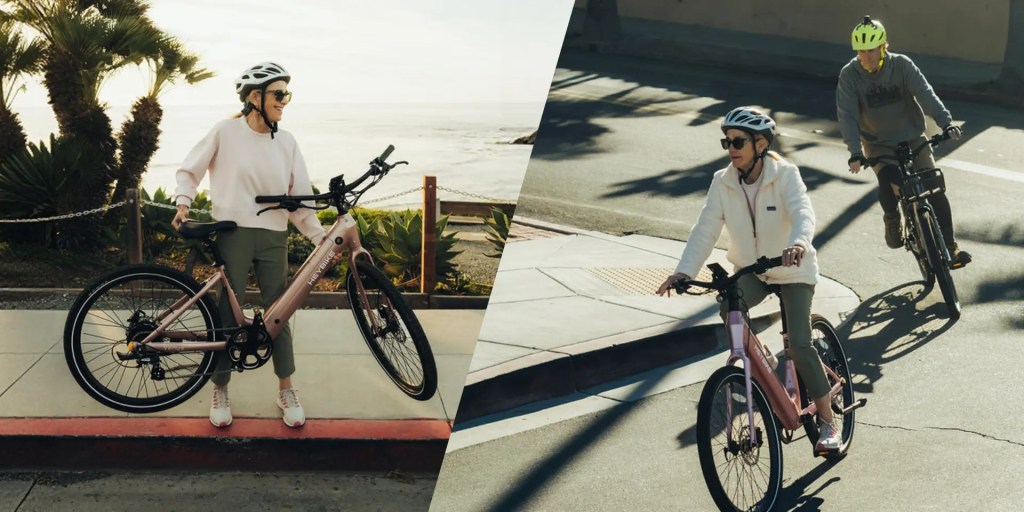
Under the new law, all three classes of e-bikes will require registration, and riders will need a license. Adults with a driver’s license are covered, but younger riders and those without one will have to obtain a separate e-bike license. The law also introduces additional requirements for higher-powered machines, though confusion remains over exactly which vehicles will require insurance.
That confusion has become one of the biggest complaints. Advocacy groups say they are fielding calls from riders who simply don’t understand what the law requires or how the registration process will work. The state has reportedly collected more than 2,100 letters opposing the law in just a few weeks.
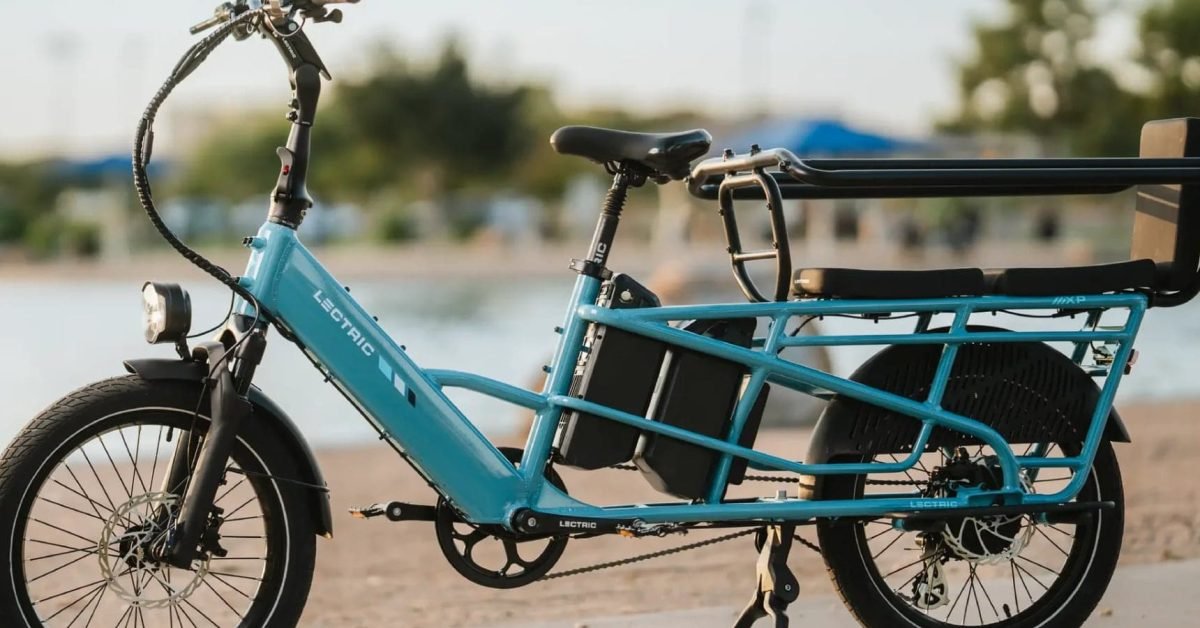
Critics also argue that the people hurt most won’t be reckless riders on illegal e-motos, but rather commuters, delivery workers, and families using cargo e-bikes for everyday transportation. Several state lawmakers joined the protest, arguing that low-speed e-bikes are much closer to traditional bicycles than motorcycles and shouldn’t be regulated the same way.
“The transportation system is so broken that e-bikes have become an essential way to go to work, school, or the doctor, and our immigrant workers in the community will be impacted,” Ana Paola Pazmiño, executive director of Resistencia en Acción NJ, explained to local media. “We want to prevent accidents and we need laws that are equitable to make e-bikes accessible, especially to our brown and Black neighbors.”
The irony is that many e-bike supporters actually agree that tougher enforcement is needed against illegal high-speed electric motorcycles. The disagreement is over whether those problems should be solved by creating new barriers for people riding ordinary electric bicycles.
As more areas wrestle with the rise of powerful e-motos, New Jersey may become an important test case for whether broad regulations can improve safety without discouraging the adoption of one of the most practical forms of clean transportation.


FTC: We use income earning auto affiliate links. More.