

Close Menu

    Subscribe to Updates

    Get the latest news information from worldwide businesses.

    What's Hot

    Does Birth Control Increase the Likelihood of Using Ozempic or Wegovy?

    August 4, 2026

    Apple is working on iPhone-to-Windows copy-paste

    August 4, 2026

    Apple says more ex-employees may have taken confidential data to OpenAI

    August 4, 2026
    Facebook Instagram YouTube LinkedIn X (Twitter)
    Trending
    • Does Birth Control Increase the Likelihood of Using Ozempic or Wegovy?
    • Apple is working on iPhone-to-Windows copy-paste
    • Apple says more ex-employees may have taken confidential data to OpenAI
    • FISME seeks GST overhaul to ease MSME compliance
    • India to remain among fastest-growing steel markets in FY27: India Ratings and Research
    • Polymarket seeks fundraising round at more than $20 billion valuation
    • Government to consider farmers’ views on ethanol policy: Shivraj Singh Chouhan
    • Why Israel should stay in the EU’s research programme beyond 2027
    Newspublicly
    • About Us
    • Advertise & Partner with us
    • Pitch Your Story
    • Contact Us
    Facebook Instagram LinkedIn X (Twitter)
    Subscribe
    • Home
    • World News
      • Asia
      • India
      • USA
      • UK & Europe
      • Middle East
    • Economy & Business
      • Global Economy
      • Corporate & Industry
      • Finance & Markets
      • Policy & Trade
    • Technology
      • Gadgets & Devices
      • Software & Apps
      • AI & Machine Learning
      • Robotics & Automation
    • Health & Medicine
      • Fitness & Nutrition
      • Research & Innovation
      • Disease & Treatment
      • Doctors, Clinics & Patient Care
    • Travel & Tourism
    • Automobile
      • Electric & Hybrid Vehicles
      • Auto Industry Insights
    • Sports
    • More
      • Education
      • Real Estate
      • Environment & Climate
      • Space & Astronomy
      • War & Conflicts
    Newspublicly
    Home»Health & Medicine»Disease & Treatment»What’s missing in India’s cancer care ecosystem? Gender-intelligent oncology
    Disease & Treatment

    What’s missing in India’s cancer care ecosystem? Gender-intelligent oncology

    AdminBy AdminAugust 4, 2026No Comments4 Mins Read0 Views
    Share
    Facebook Twitter LinkedIn Copy Link WhatsApp


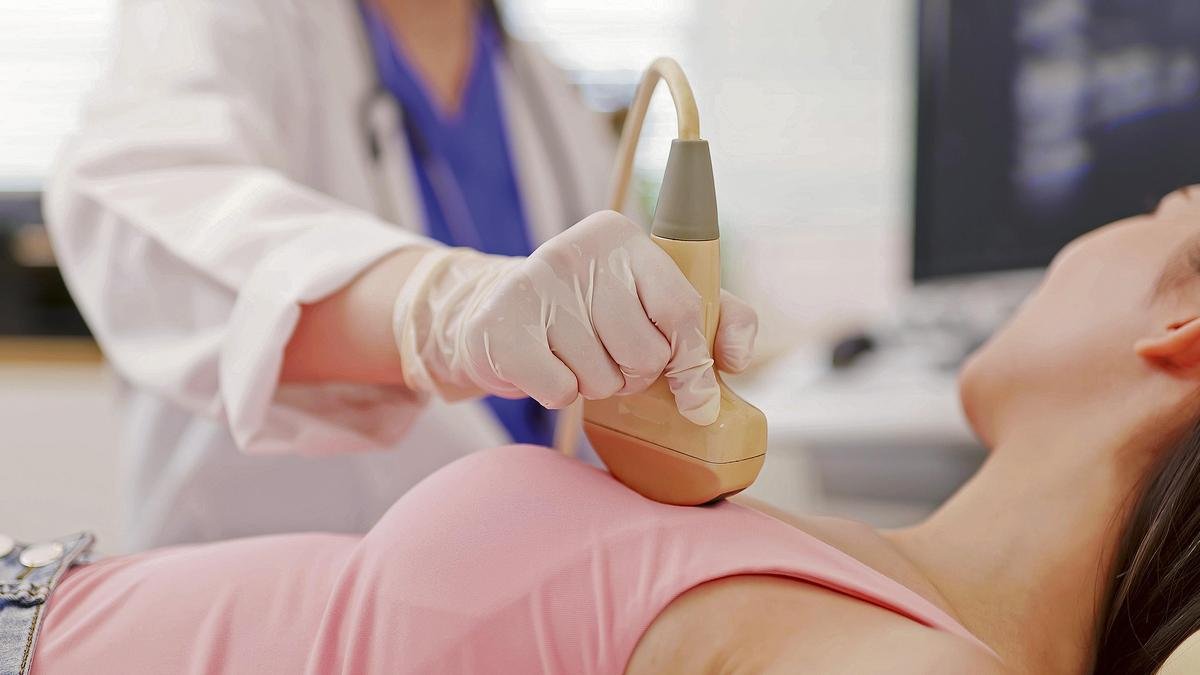
    India’s oncology infrastructure has grown substantially, but it hasn’t been designed with differentiated pathways for men and women in mind. Image used for representational purposes only

    India’s oncology infrastructure has grown substantially, but it hasn’t been designed with differentiated pathways for men and women in mind. Image used for representational purposes only
    | Photo Credit: Getty Images

    India’s cancer burden is rising fast, and the response has largely followed a one-size-fits-all model: build more cancer centres, expand insurance schemes, push early detection campaigns. What this approach often misses is a simple but consequential fact – cancer does not affect men and women equally, and the paths they take to diagnosis, treatment, and recovery are shaped as much by gender as by biology. This is the gap that ‘gender-intelligent oncology’ tries to close.

    Same disease, different journeys

    Consider breast and cervical cancer, which together account for nearly 40% of all cancers among Indian women, breast cancer alone making up roughly 27% of female cancer cases and cervical cancer adding over 1,27,000 new diagnoses a year. Despite being highly treatable when caught early, both are frequently diagnosed at advanced stages. The reasons are rarely medical. Women in many households do not prioritise their own health, often delaying symptoms until they interfere with caregiving duties. Modesty concerns around breast and pelvic examinations, lack of decision-making autonomy over their own healthcare spending, limited mobility and dependence on male family members to approve or fund a hospital visit all add friction to a journey that should start the moment a symptom appears.

    Men face a different but equally gendered pattern. Cancers linked to tobacco and alcohol- oral, oesophageal, lung cancer, are disproportionately common among men, yet they are often diagnosed late because masculine norms discourage acknowledging pain or seeking preventive care. The same social conditioning that pushes women toward self-neglect pushes men toward risk denial.

    The treatment gap compounds the diagnostic gap. In Western countries, nearly 70% of early-stage breast cancer patients undergo breast-conservation surgery; in India, that figure sits below 25%, with many women still opting for, or being guided toward mastectomy — a choice shaped as much by fear, stigma, and limited access to reconstructive expertise as by clinical need.

    Where the system falls short

    India’s oncology infrastructure has grown substantially, but it hasn’t been designed with these differentiated pathways in mind. Screening programmes for cervical and breast cancer remain patchy outside urban centres, and where they exist, they rarely account for the practical barriers such as travel, childcare and workplace norms that keep women away. Clinical trials and treatment protocols, meanwhile, still lean heavily on data generated from male-dominant or Western cohorts, even though drug metabolism, side-effect profiles, and even tumour biology can differ by sex.

    There’s also an invisible economic layer. Women are frequently the primary caregivers for cancer patients in the family, absorbing the logistical and emotional load even while under-treating their own symptoms. When women themselves become patients, that caregiving structure often doesn’t reciprocate in the same way, leaving them more likely to face treatment interruptions, financial neglect, or even abandonment- a pattern documented across several Indian oncology studies.

    Building a gender-intelligent response

    A more responsive cancer care ecosystem would start by disaggregating data: not just tracking incidence by sex, but studying how gender shapes delays in diagnosis, treatment adherence, and survivorship outcomes. Screening programmes need last-mile design: female health workers, flexible timing, transport support, and community trust-building rather than one-off camps. Oncology training should explicitly address gendered health-seeking behavior, equipping doctors to recognise when social factors, not just clinical ones, are driving a late-stage presentation. And clinical research needs deliberate efforts to include diverse participant pools so that treatment protocols reflect how the disease actually behaves across sexes.

    None of this requires reinventing India’s cancer infrastructure. It requires layering a gender lens onto what already exists: in how programmes are designed, how data is collected, and how care is delivered. Cancer outcomes in India won’t meaningfully improve through more hospitals alone; they’ll improve when the system finally accounts for the very different ways men and women experience the disease, and are able to access and negotiate care.

    (Dr. Jyoti Wadhwa is principal lead, medical & precision oncology, Apollo Athenaa Women Cancer Centre, New Delhi. drjyotiwadhwa@apollohospitals.com)

    Published – August 04, 2026 06:00 pm IST


    Source link

    Author

    • Admin

      NewsPublicly.com is News & Articles Platform that creating SEO-focused articles on travel, lifestyle, and digital trends.

    Admin
    • Website

    NewsPublicly.com is News & Articles Platform that creating SEO-focused articles on travel, lifestyle, and digital trends.

    Related Posts

    Clinical study finds family conflict outweighs academic stress in students’ mental health struggles

    August 4, 2026

    Three common medicines classified as carcinogenic by WHO cancer agency

    August 4, 2026

    Study links prolonged heat exposure during pregnancy to adverse birth outcomes

    August 4, 2026
    Leave A Reply Cancel Reply

    Demo
    Top Posts

    The Blue Moon rises on May 30— Where and when to see the second full moon of the month

    May 30, 202640 Views

    New SOCOM rifle allows barrel swapping and cartridge changes

    June 1, 202633 Views

    “Inside Gemini Robotics 1.5: How Robots Learn to Reason & Act

    November 22, 202527 Views

    525 pounds of cocaine seized after Nebraska K9 alerts troopers on I-80

    May 28, 202624 Views
    Don't Miss

    Does Birth Control Increase the Likelihood of Using Ozempic or Wegovy?

    August 4, 20264 Mins Read0 Views

    A large Danish study found that women using hormonal contraceptives were more likely to later…

    Apple is working on iPhone-to-Windows copy-paste

    August 4, 2026

    Apple says more ex-employees may have taken confidential data to OpenAI

    August 4, 2026

    FISME seeks GST overhaul to ease MSME compliance

    August 4, 2026
    Stay In Touch
    • Facebook
    • Twitter
    • Instagram
    • YouTube
    • LinkedIn
    • WhatsApp

    Subscribe to Updates

    Get the latest creative news from SmartMag about art & design.

    Demo
    NEWSPUBLICLY
    Facebook X (Twitter) Instagram LinkedIn

    Home

    • About Us
    • Leadership
    • Advertise & Partner With Us
    • Pitch Your Story
    • Media Kit & Pricing
    • Career
    • FAQs

    Guidelines

    • Editorial & Submission
    • Partnership
    • Advertising & Sponsor
    • Intellectual Property Policy
    • Community & Comment
    • Security & Data Protection
    • Send Your Opinion

    Quick Links

    • Cookie Policy
    • Payment & Billing Terms
    • Refund & Cancellation
    • Copyright Policy
    • Complaint & Support
    • Sitemap
    • Contact Us

    Subscribe Us

    Get the latest news and updates!

    Copyright © 2026 Newspublicly (DIGITALIX COMMUNICATION). All Rights Reserved.
    • Privacy Policy
    • Terms of Use
    • Disclaimer