

When many riders hear about a new electric motorcycle, they tend to compare it to the flagship machines that dominate the headlines. Bikes like those from Zero or LiveWire have shown that electric motorcycles can be fast, powerful, and technologically impressive. They’ve also shown that they can be expensive.
But a much more interesting battle may be happening lower down the power scale.
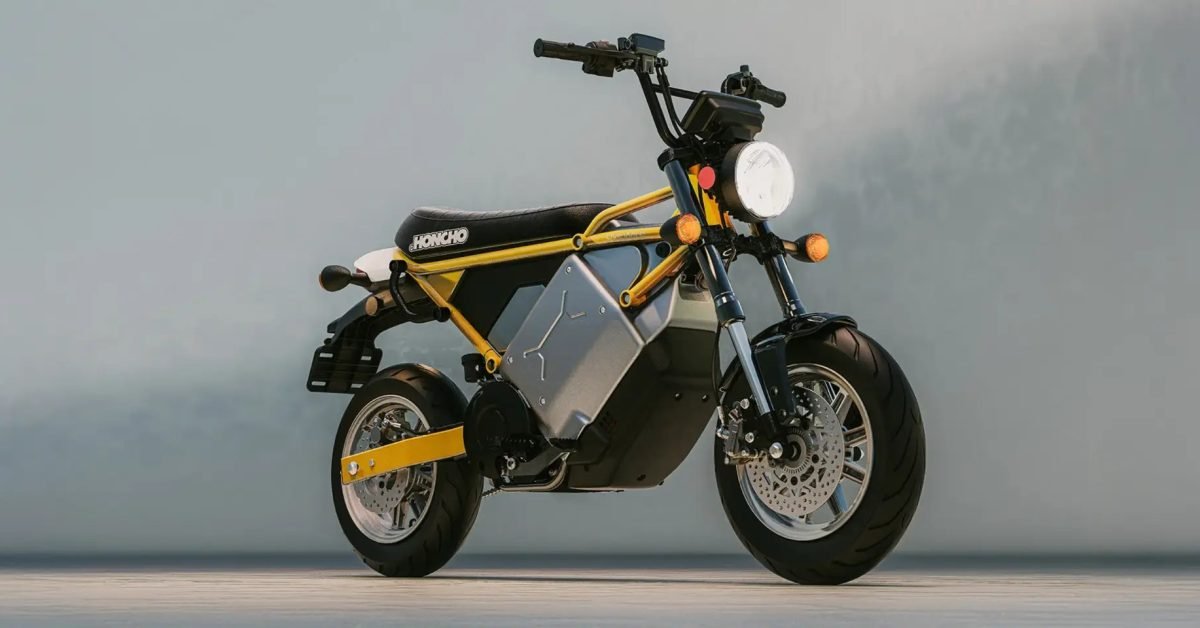
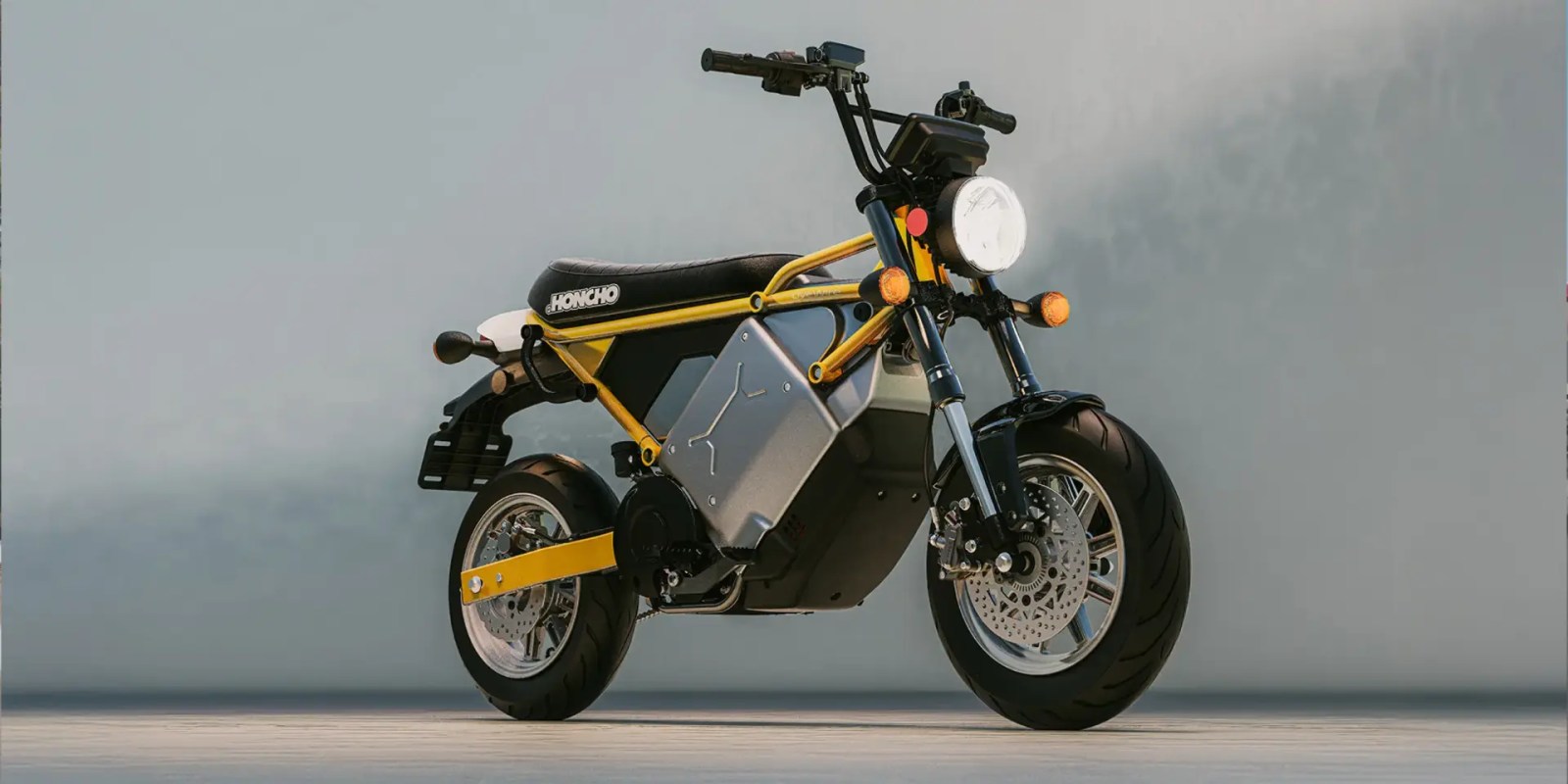
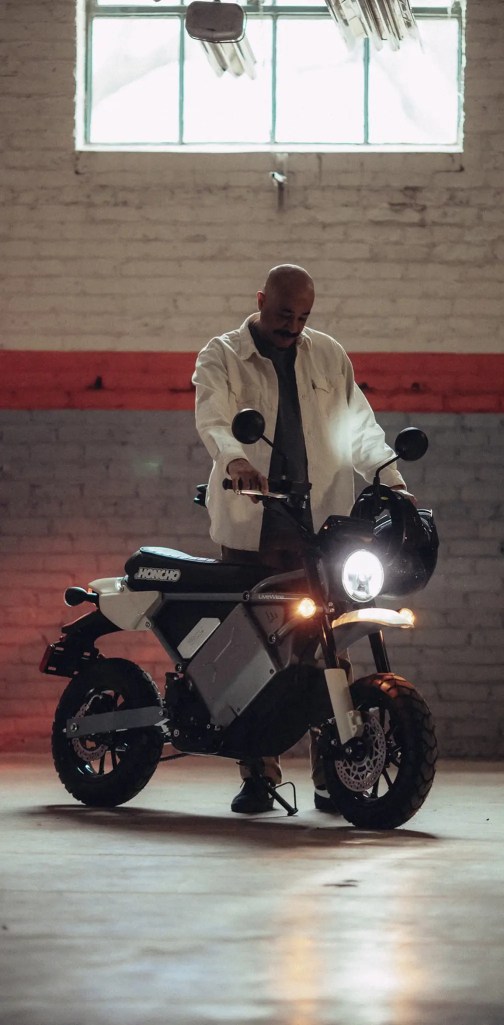
Recent news that LiveWire has begun production of its upcoming S4 Honcho has put the spotlight on what many people are calling a “125cc-equivalent” electric motorcycle. That description can be a little confusing because electric motorcycles don’t really have engine displacement. There are no pistons moving up and down, after all, and so there aren’t any cc’s to speak of.
Instead, “125cc-equivalent” is really a way to describe the overall riding experience using legacy language from the olden times, when motorcycles relied on repeated small explosions for locomotion.
Those descriptors put electric motorcycles in classes roughly comparable in speed and power to gasoline-powered motorcycles.
While LiveWire hasn’t yet listed the exact motor spec, the upcoming S4 Honcho is expected to top out at around 59 mph (95 km/h), making it a machine built primarily for urban riding, suburban commuting, and shorter hops on smaller highways. It isn’t really intended to spend hours cruising down an interstate at 75 mph (120 km/h). In that sense, it occupies much the same role as a traditional 125cc gasoline motorcycle.
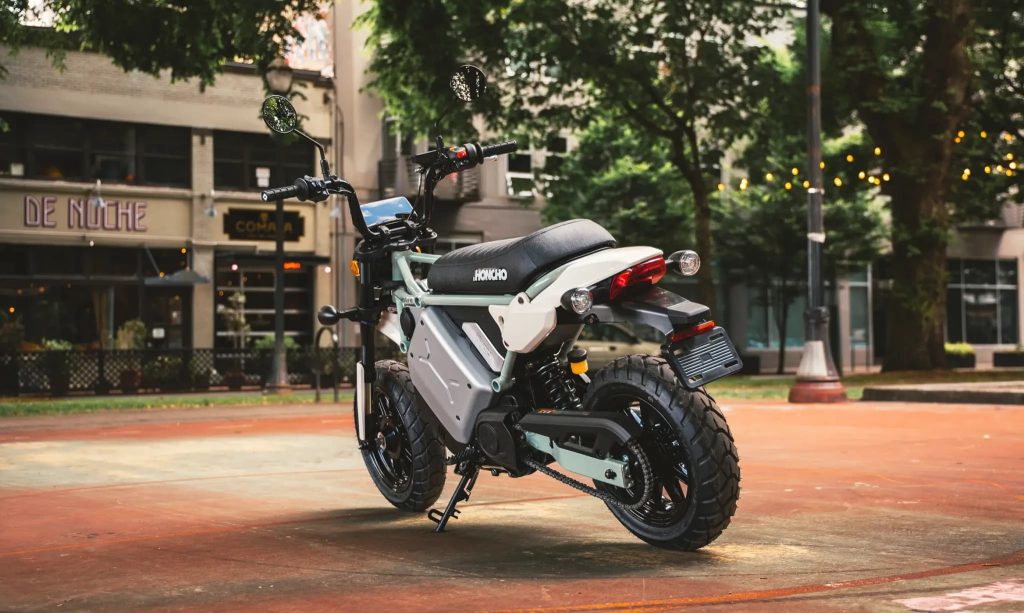
The motorcycle industry has spent years trying to convince people that they need bigger, faster, and more expensive machines. But many new riders don’t actually want 150 horsepower (110 kW). They want something unintimidating, affordable, and easy to ride.
Electric motorcycles have an advantage here because even smaller models produce instant torque. Even if the actual horsepower or kilowatt number is identical to a gasoline-powered motorcycle, an e-motorcycle can have much better raw performance. A 125cc-equivalent electric motorcycle can often feel surprisingly lively around town, jumping away from stoplights with much more enthusiasm than its modest specifications might suggest.
The smaller battery pack, lower power output, and lighter construction also help keep costs under control. LiveWire says the S4 Honcho will start at just $4,999, a figure helped by the bike’s modest size and the company’s manufacturing partnership with KYMCO in Taiwan.
That pricing could prove to be one of the most significant developments in the electric motorcycle industry. For years, one of the biggest barriers to adoption has been sticker shock. Asking a curious new rider to spend $15,000 or $20,000 on an electric motorcycle is a tough sell. Asking them to spend around five grand is a very different conversation.
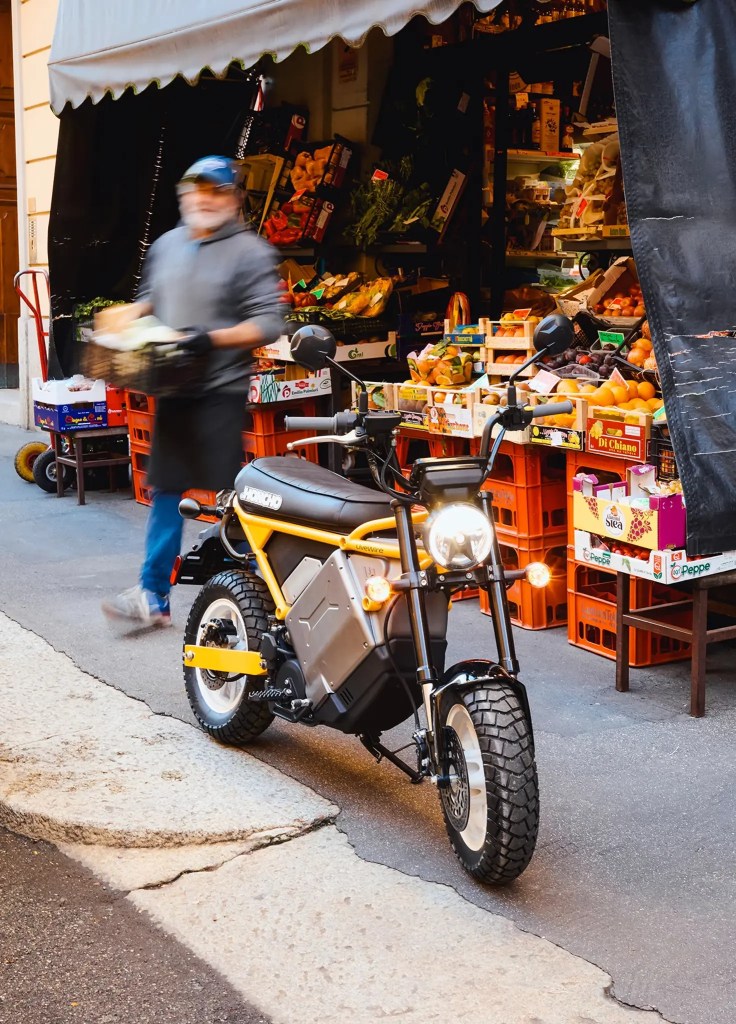
Of course, not everyone wants a bike limited to around 60 mph (96 km/h). That’s where the next step up becomes interesting.
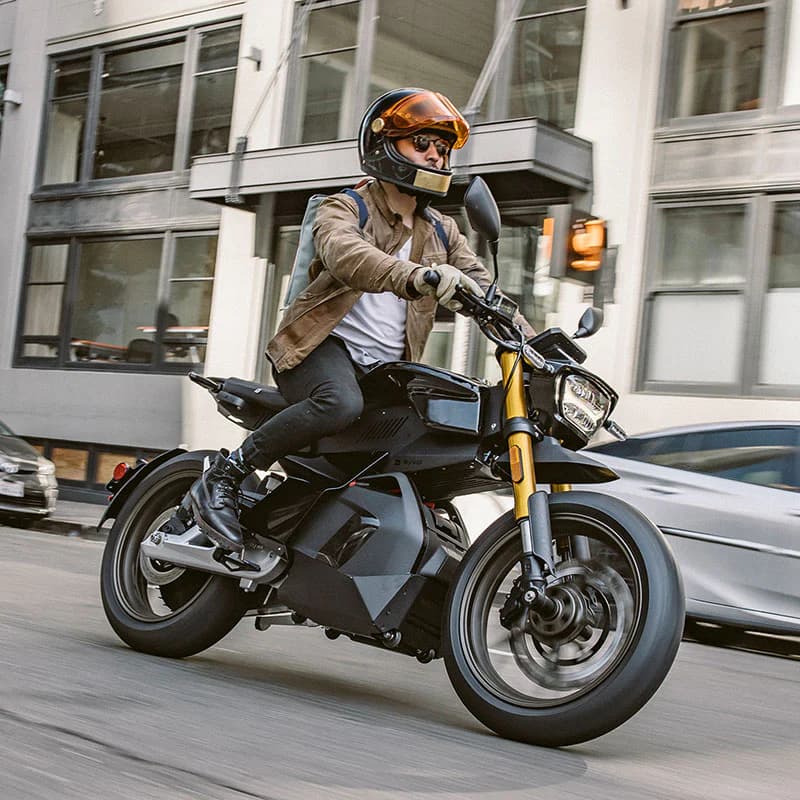
Take the Ryvid Anthem, for example. If I had to assign it a gasoline equivalent, I’d probably call it something like a 250cc to 300cc motorcycle, though those comparisons are always imperfect. Electric motorcycles deliver torque differently than gasoline bikes, so there isn’t a precise conversion chart.
The Anthem can comfortably handle faster highway riding while still feeling approachable. It’s powerful enough that a rider won’t feel trapped on city streets, yet it remains relatively lightweight, simple, and affordable compared to many larger electric motorcycles. For someone who is e-motorcycle curious but isn’t ready to jump into the deep end, that middleweight category may be one of the best entry points available today.
And that’s why these smaller electric motorcycles are so important to an industry still finding itself, and finding its new riders.
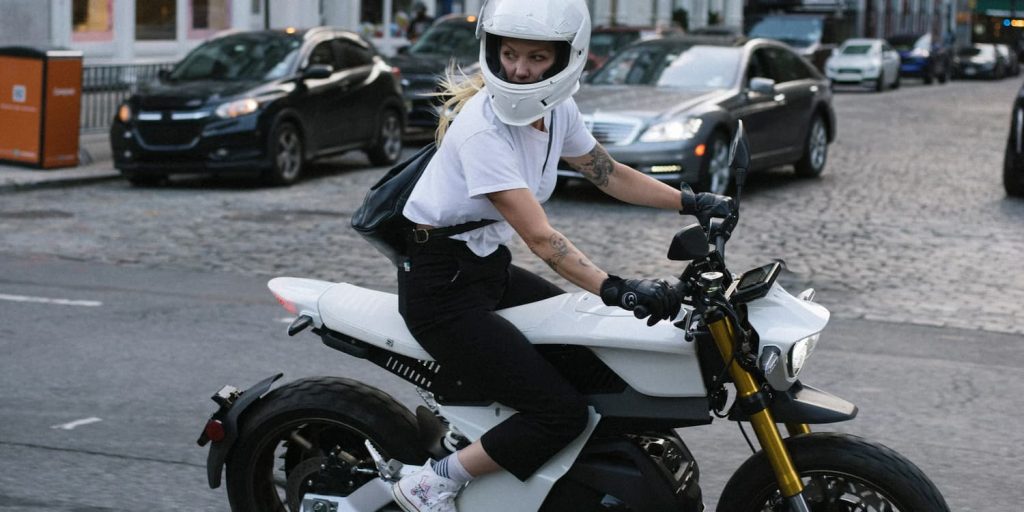
The first generation of modern, powerful electric motorcycles focused on proving that batteries could compete with gasoline. They did so with big power and impressive performance. Those machines raised a lot of eyebrows, but they didn’t open too many wallets. The next generation of electric motorcycles may focus on proving that they don’t have to compete with gasoline – they just have to provide a better riding experience.
At this point, we’ve all already seen that electric drive crushes combustion engines when it comes to performance. So now it’s no longer about building e-motorcycles that are more powerful just for power’s sake. Now it’s about meeting riders where they’re at, and giving them something that solves their more immediate riding needs.
Not every rider needs a 100 mph (160 km/h) top speed or superbike acceleration. Many just need a practical machine that gets them to work, lets them explore on the weekends, and makes riding feel fun instead of intimidating.
The industry may have spent years chasing bigger numbers, but the future of electric motorcycles could very well belong to the smaller bikes that invite more people to ride in the first place.


FTC: We use income earning auto affiliate links. More.