

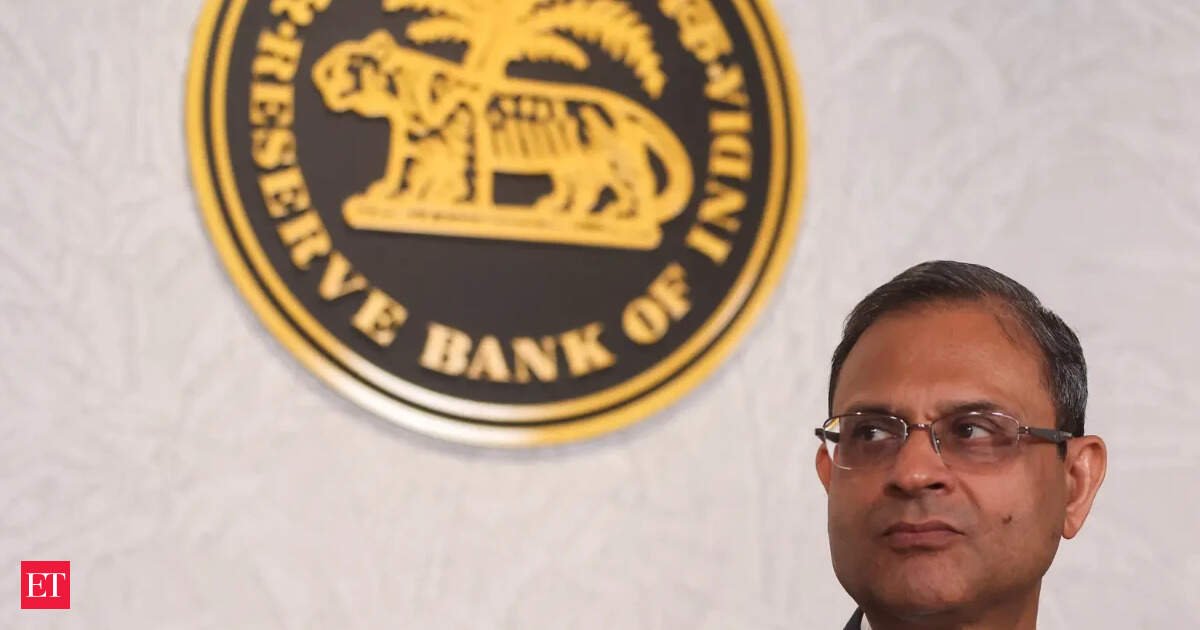
During the post-monetary policy conference, Malhotra said rural demand and private consumption have remained healthy so far but acknowledged that some moderation may be inevitable.
“Rural demand, yes; private consumption, yes. Some impact will be there,” the governor said while replying to a specific question on the issue.
Malhotra said the projected deficiency in the south-west monsoon may have implications for agricultural production and demand in rural areas.
Also read | India’s Goldilocks moment dims, but the lights are not out

“Additionally, the projected deficiency in the south-west monsoon will have implications for agricultural production and rural demand. However, programmes and initiatives for crop diversification, water harvesting and conservation, climate-resilient practices and short-duration crops, among others, are expected to mitigate the impact,” he said.
The governor also pointed to broader risks from rising input costs and supply disruptions, which could weigh on economic activity and consumption if pressures persist.”Going ahead, the rise in prices of energy and other inputs, coupled with supply disruptions, is likely to weigh on economic activity,” he said, adding that the overall impact would depend on the duration of the conflict and the pace of supply-chain normalisation.
Further, the central bank said the rise in prices of energy and other inputs, coupled with supply disruptions, is likely to weigh on economic activity going ahead. While import diversification in affected commodities is likely to improve supply, it would come at a higher cost.
“The full impact, however, will depend on the duration of the conflict, the time taken for normalisation of supply chains and the burden-sharing approach among the stakeholders,” Malhotra said.
Meanwhile, the central bank lowered the GDP growth forecast by 0.30 per cent for FY27 to 6.6 per cent, from 6.9 per cent earlier, due to heightened uncertainty over the West Asia crisis and downside risk.
Also read | Tata Trusts’ big meet faces fresh ghosts of a 1989 share deal
The RBI projected GDP growth for Q1FY27 at 6.6 per cent, Q2FY27 at 6.3 per cent, Q3FY27 at 6.5 per cent, and Q4FY27 at 6.8 per cent.
“Prolonged global supply chain disruptions, volatility in global financial markets, and weather-related shocks continue to pose downside risks to the domestic growth outlook,” RBI governor said.