

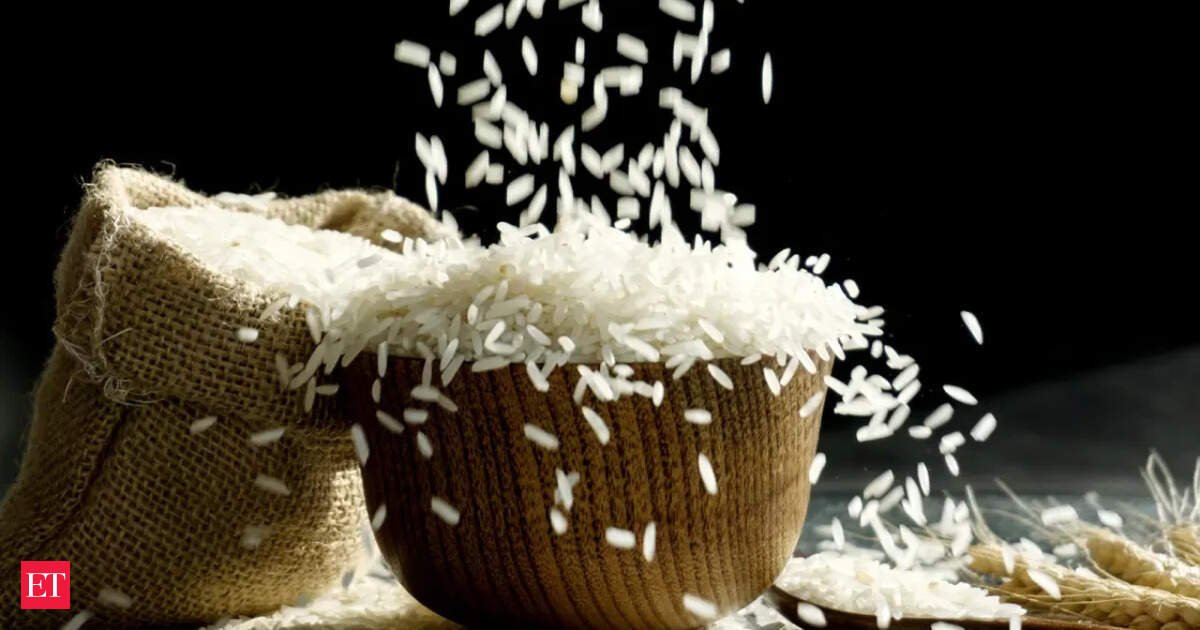
North India is currently experiencing record heatwaves, with temperatures touching as much as 45-47 degrees centigrade across many states. “Loading and unloading of basmati rice from rice mills to the ports for export purposes, as well as for domestic supply, has taken a hit,” said Dev Garg, vice president of the Indian Rice Exporters Federation (IREF). “The workers are not able to work during the afternoon hours due to the heatwave condition. This has impacted productivity. The loss in productivity will have an impact on our profit margin.”
Also Read: Foodgrain output seen rising 5% to 376.5 MT
India annually produces 7.2 million tonnes of basmati rice. Of this, 6 million tonnes is exported. Extremely high summer temperatures are also impacting productivity at the Noida Apparel Export Cluster (NAEC)-home to about 2,000 manufacturing units which employ about 1 million people. NAEC records annual revenues of ₹50,000-55,000 crore.
Kapil Sadh, partner at Noida-based garment exporter SK Overseas, said prolonged exposure to heat on the shop floor is leading to worker absenteeism. “Frequent power fluctuations during peak demand hours are further disrupting production schedules and timely export deliveries,” he said. Garment manufacturing is highly labour-intensive, and extreme heat inside production units reduces worker stamina, concentration, and machine efficiency. Simultaneously, power consumption has surged due to cooling requirements, adding further cost pressure on exporters already struggling with rising logistics and compliance expenses, said Sadh.

At a time when global competition demands speed, quality, and cost efficiency, recurring heatwaves are emerging as a serious industrial challenge for Delhi-NCR’s export sector, said industry executives.
Also, the latest rise in diesel and petrol prices has emerged as one of the major challenges for the garment exporting industry, already grappling with intense global competition, rising labour costs, elevated power tariffs, volatile raw material prices, and subdued international demand.