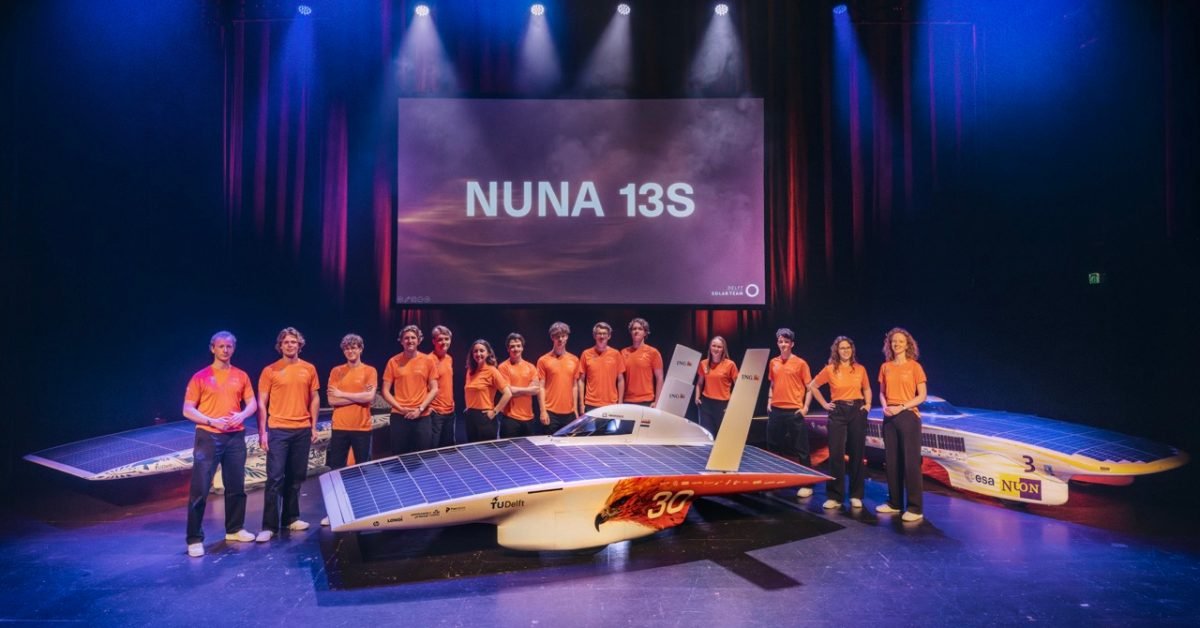

This July, the 2026 Electrek Formula Sun Grand Prix (FSGP) and American Solar Challenge (ASC) head north to Minnesota, and one of the 46 registered teams is making the trip for the very first time. The Delft Solar Team is flying in from the Netherlands, and they aren’t exactly showing up empty-handed.
I caught up with Rosa Van Wijngaarden, who runs PR for the team, to talk about who they are, what they’re driving, and what it’s like to prep for a race on a continent the team has never set wheels on.
A small group of students with big dreams
“I always say that we’re just like a small group of students,” Rosa told me. And she means small. The team is just 14 people this year, each of whom takes a full gap year off from their studies to work on a solar car built from scratch.
Everyone has their own discipline too. One does electrical, one does aerodynamics, Rosa does PR, and so on. I knew immediately from our video call that Delft Solar was well-engineered for being just a collegiate team.
I asked what their mission was… their north star. “We do this not only for fun, but also just to inspire the future generation on sustainability and innovation,” she said.
The team’s roots trace all the way back to 2001. At the time, the school was looking to kickstart its solar car program and reached out to Wubbo Ockels, the first Dutch astronaut. Ockels joined the team on one condition: that they win the World Solar Challenge. The team overwhelmingly accepted. The car they made was called Nuna, and Rosa told me their earliest version actually flew solar cells originally made for use in space. That year, the team trekked 3,000 km across the Australian Outback in record time.
“We do not have to ask for permission to change the future because we can already do it,” Rosa said, recalling Ockel’s words. “We’re just a small group of students who can really change the world if you only put some work and dedication in and have the passion.”
It hasn’t been all smooth sailing for the team since then. While they dominated the first race in 2001, years afterward were rough.
In 2019, the team was leading the pack at the same competition in Australia when the car caught fire and burned down near the finish line.
The 2021 race was scrapped due to COVID, and the next year they finished third.
Then came 2025, when Nuna 13 (the team’s previous edition solar car) finally ended the drought, and I imagine lifted spirits a great deal. “It was such a relief,” Rosa said, recounting what a then teammate from the winning crew told her. They crossed the line in first at last. It’s about as close to a phoenix story as solar car racing gets. From the ashes to first place.
So what exactly are they bringing to Minnesota?
The car that won in Australia is Nuna 13. The car coming to the States is Nuna 13S. The team takes the previous year’s car and adds an “S” when they refine it. This year, they refined a lot.
A few highlights:
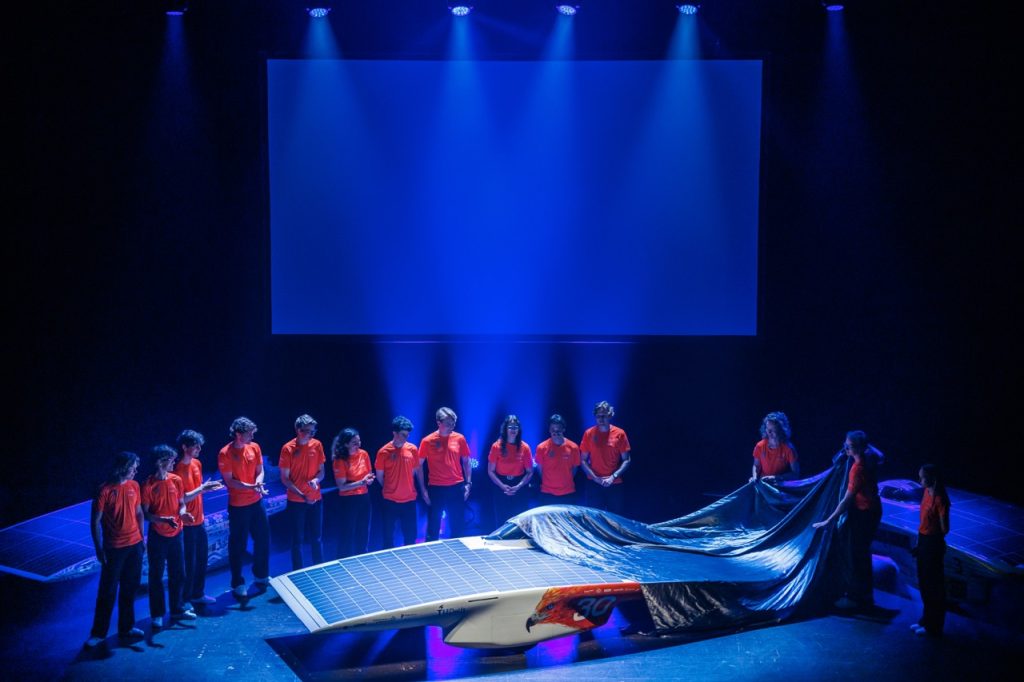
The team installed entirely new solar cells, and on top of chasing efficiency, they reworked the whole production method that can now cut build times in half.
Then there are the fins. I’ve covered the American Solar Challenge for the last three years now, and Nuna’s fins are easily the most unique feature I’ve ever seen on a solar car. People always assume they’re just there to look cool, and while they are cool, it’s not the only reason, Rosa explained to me.
The team ran 1:1 scale testing in one of the biggest wind tunnels in Europe at a Volkswagen facility, and the results were good enough that they actually went from two fins to three. The short version, per Rosa, is that they act like sails to capture crosswinds and help propel the car forward. Plus, it improves the solar car’s stability.
The car also keeps its signature asymmetrical catamaran shape. It’s not the easy way to build, but it’s a Delft legacy at this point, and it serves a real purpose. With the driver seated off to the side, the canopy doesn’t cast a shadow across the solar panel. On a solar car, where every bit of sunlight is paramount, even the tiniest amount of shade will have any team back at the drawing board.
One thing that is brand new for the US trip is a metal roll cage. The ASC requires one, while the team normally builds everything in carbon to stay as light as possible. Fitting a metal cage into an already finished car, keeping it asymmetrical, and still leaving the driver an easy way to climb in turned out to be one of the hardest challenges of the build.
As for speed, the car hit a baffling 130 km/h (80 mph) last year, and Rosa says it could even go faster. For an entirely hand-built solar electric vehicle, this is very impressive. Unfortunately for them (and spectators), per FSGP and ASC regulations, they will have to mind a speed limit.
Challenges of the FSGP and ASC
The biggest hurdle facing the team isn’t the car. It’s really everything they can’t control. Unlike the single point-to-point sprint they’re used to, the FSGP is a three-day qualifier of laps, and the ASC route, terrain, and weather are all giant question marks for a team that’s used to the flat Australian Outback.
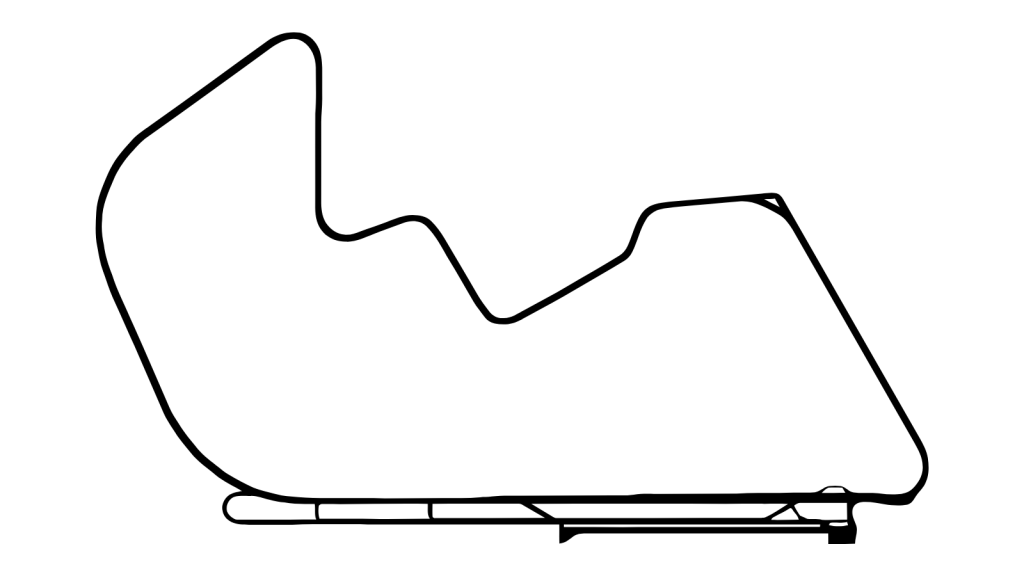
“How do you prepare for something that you don’t know?” Rosa said. “Are we going through the mountains? Are we going through the desert? How hot is it going to be? We didn’t know anything.” Not to mention all the logistical challenges, which made shipping it across an ocean and through customs, which I imagine is a headache in itself. The team actually had to push organizers to reveal the start location early just so they could plan.
So why go through this trouble at all? Well, it loops back to that founding philosophy. They wanted to do something that hasn’t been done before, continue proving the potential for solar energy along the way, and try new things.
When I asked Rosa what part of the car the team is proudest of, she couldn’t pick one.
“We managed to do this as a team and all the uncertainties we had, we still managed to build a car we’re really proud of,” she said. “It’s the whole car that really brings out the happiness for us.”
The team unveiled Nuna 13S just last week, on May 20.
They’ll be on the ground in Minnesota in a few weeks, and so will I.
The 2026 Electrek FSGP runs July 21 through July 23 at Brainerd International Raceway. Attendence if FREE.
The cross-country American Solar Challenge starts July 25 out of the Twin Cities.
The Delft Solar Team will be the first Dutch team ever to race the American Solar Challenge. They could also become the first Dutch team to win it.
You can find more details and a list of schools competing in this year’s races on the official event website here.


FTC: We use income earning auto affiliate links. More.