

5 min readNew DelhiUpdated: Jul 21, 2026 02:00 PM IST
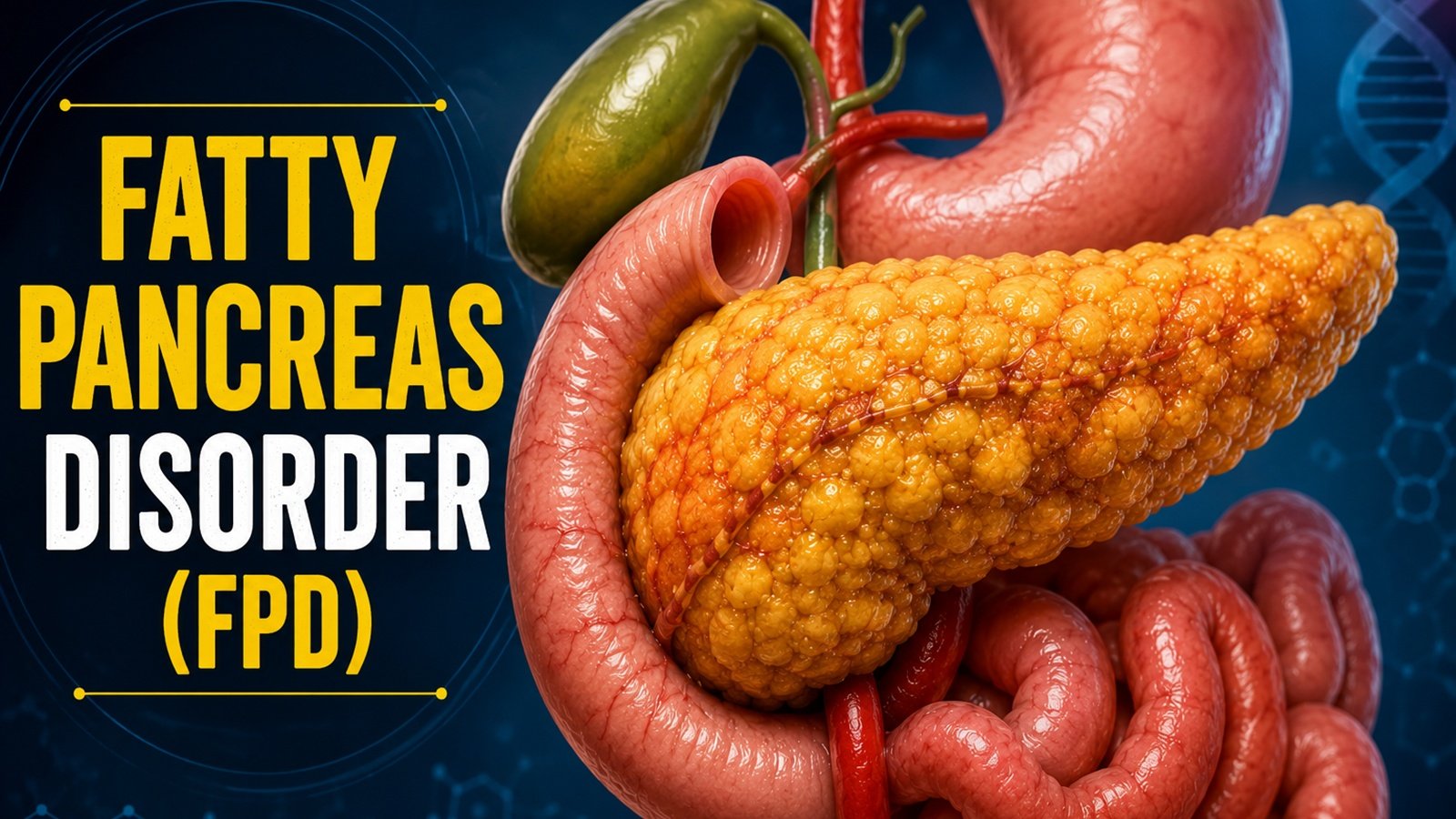
Many people have heard of fatty liver disease, but not many know that fat can also accumulate in the pancreas. This condition, commonly referred to as fatty pancreas, is one where excess fat builds up within the pancreatic tissue — and Fatty Pancreas Disorder (FPD) has now been officially recognised as a distinct disease, marking a landmark shift in the understanding of pancreatic health.
Dr Saiprasad Lad, consultant gastroenterologist, Wockhardt Hospitals, Mumbai Central, said that the pancreas is important for digestion and blood sugar control. “Fat buildup in the pancreas may harm the cells that produce insulin, making it harder to control blood sugar and increasing the chance of developing diabetes for those at risk. This creates a cycle where obesity, diabetes, and fatty pancreas can support and worsen each other,” said Dr Lad.

DISCLAIMER: This article is based on information from the public domain and/or the experts we spoke to. Always consult your health practitioner before starting any routine.
Why has it been recognised as a disease?
Excess fat in the pancreas was often viewed as an incidental finding rather than a medical condition requiring attention. However, according to a review published in Nature Reviews Gastroenterology and Hepatology, excessive fat accumulation in the pancreas can damage the organ and increase the risk of serious illnesses.
The newly released Melbourne Consensus report published in the journal notes that while a small amount of fat naturally accumulates with age, excessive fat can develop due to obesity, genetics, environmental influences and lifestyle factors. Notably, even lean individuals may develop the condition.
Experts urge that untreated fatty pancreas disorder can significantly increase the risk of type 2 diabetes, pancreatitis and pancreatic cancer. “If fat is not cleared out of the pancreas continuously, it can lead to pancreatitis, diabetes, pancreatic dysfunction and pancreatic cancer,” said Dr Ameet Mandot, director – Hepatology, Gleneagles Hospital Parel.
While not everyone with a fatty pancreas will face serious complications, it serves as an early warning sign to improve lifestyle habits and have regular health check-ups, added Dr Lad.
Story continues below this ad
 Lifestyle changes cna help (Photo: Freepik)
Causes
One of the reasons for developing fatty pancreas is an unhealthy lifestyle.
“This is because the pancreas works together with the liver in processing the fats from the body, so if the liver is overloaded with the work of removing the toxins, then the fat that was previously processed by the liver will get stored in the pancreas. As a consequence, fat can deposit in the pancreas too, and that is the cause of fatty pancreas disorder,” described Dr Mandot.
Diagnosis
Dr Mandot said that fatty pancreas “does not have characteristic signs and symptoms” and people get to know about it only when they have medical imaging such as ultrasound, CT scanning, or MRI done for some other purpose.
“Some people without any specific warning signs, however, do experience discomfort on a continuous basis on the upper part of the stomach and feel full for a long time while eating, bloated after meals or have indigestion or unexplained changes in the digestive system. Even a small change in digestion and bowel habits can be an issue for people who are overweight, but it doesn’t mean that this is necessarily due to fatty pancreas,” said Dr Mandot.
Story continues below this ad
What helps?
Many people think that if they feel no pain, there is nothing to worry about. “Fatty pancreas is often silent, but that silence does not mean it is safe. It should be seen as a chance to identify and tackle lifestyle and metabolic risks before they result in more serious health issues. If not addressed, it may worsen diabetes and has been linked in some studies to a higher risk of pancreatic cancer. Although more research is needed to confirm a direct cause-and-effect link, these findings highlight the importance of early intervention,” asserted Dr Lad.
On a positive note, fatty pancreas is often controllable. Identifying the underlying reason and treating it will be the way to go. “For instance, losing a few kilograms (5, 10 per cent weight reduction) will definitely make a positive mark in your health, following a healthy diet high in colourful whole fruits and vegetables and grains while cutting down on added sugars and high fat foods, getting at least a couple of hours of regular physical activity every week (preferably 150 minutes), cutting down on alcohol, and controlling diabetes and high cholesterol can really be of big help,” said Dr Mandot.
Dr Ameet said that fatal diseases like pancreatic cancer are the result of long-term fatty pancreas. “So to those who have chronic diseases or are diabetic, it is better that you pay particular attention to your weight and blood glucose levels, and regular check-ups will help prevent pancreatic problems in most cases, besides lowering the risk of other chronic diseases as well. In most circumstances, changing lifestyle to become healthier remains the best choice,” said Dr Mandot.
DISCLAIMER: This article is based on information from the public domain and/or the experts we spoke to. Always consult your health practitioner before starting any routine.