

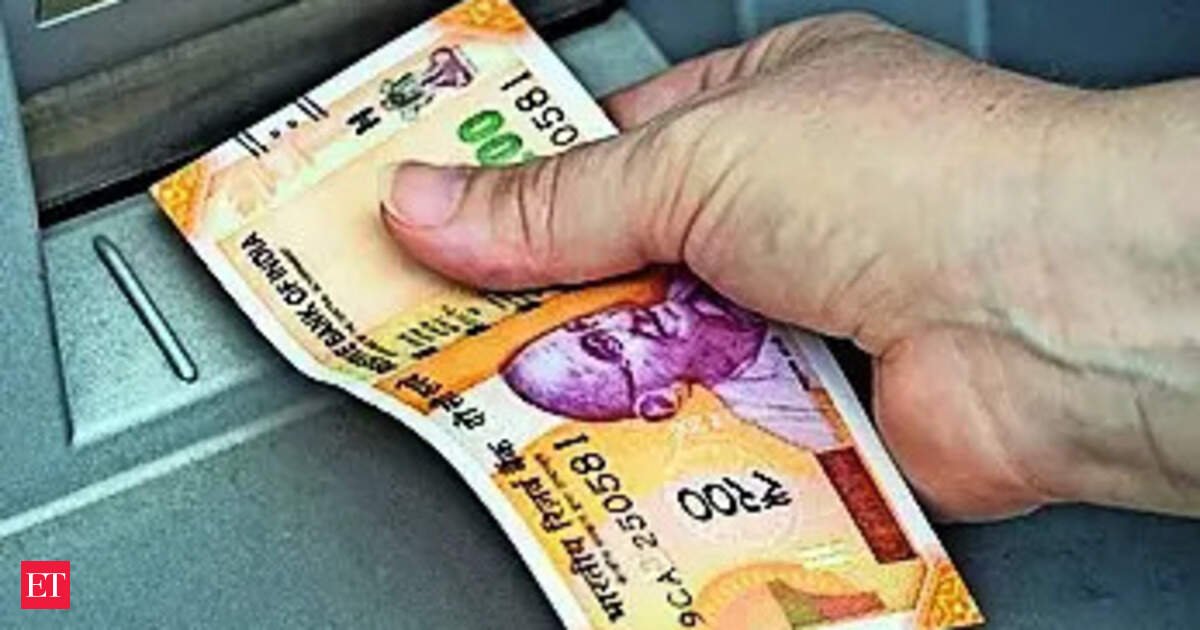
More than 15,000 ATM units are expected to come up for request for proposals (RFPs) for cash recyclers, with nearly 77% of these belonging to PSBs, according to industry executives. Punjab National Bank, Union Bank of India and Bank of India are among the lenders expected to issue recycler RFPs.
Cash recyclers are machines that both dispense and accept cash, enabling banks to reuse deposited currency for withdrawals. This reduces cash replenishment costs, improves machine uptime and lowers operational expenses.
“The recent cash shortages have highlighted the need for banks, particularly public sector lenders, to modernise their ATM infrastructure. A large part of the PSB ATM estate still consists of traditional cash dispensers that require frequent replenishment and manual intervention,” said a senior PSB executive, who did not wish to be identified.
RBI steps up scrutiny of Corporate India’s foreign investments

The urgency is more pronounced for public sector banks that continue to manage a large portion of their ATM networks in-house. Around 90,000 on-site ATMs operated by PSBs are yet to be outsourced, making them more vulnerable to operational disruptions and cash management challenges, according to industry executives.
Four key factors are driving the outsourcing wave, they said. Regulators have been encouraging banks to focus on core banking operations while partnering with specialist firms for non-core activities. At the same time, escalating employee costs, tighter compliance requirements and increasing technology investments have made in-house ATM management less economical.Private capital should play a much larger role in India’s infrastructure development: Rajkiran Rai, MD & CEO, NaBFID
Banks are also increasingly relying on integrated managed service providers that offer higher ATM uptime, faster cash replenishment, real-time monitoring and software capabilities that transform ATMs into customer engagement platforms rather than merely cash dispensing points.
“Cash recyclers are rapidly replacing conventional ATMs across India’s banking network. As banks accelerate this upgrade cycle, demand for specialised partners to deploy, maintain and optimise these machines is rising steadily,” a senior executive of an ATM company said on condition of anonymity.
India’s installed ATM base has expanded to about 246,000 from about 221,000 in 2018-19 and is projected to reach about 275,000 by 2029-30. However, the outsourced ATM base-machines managed by third-party service providers-is expected to witness faster growth, increasing to nearly 170,000 by 2029-30 from about 120,000 as of September 2025.