

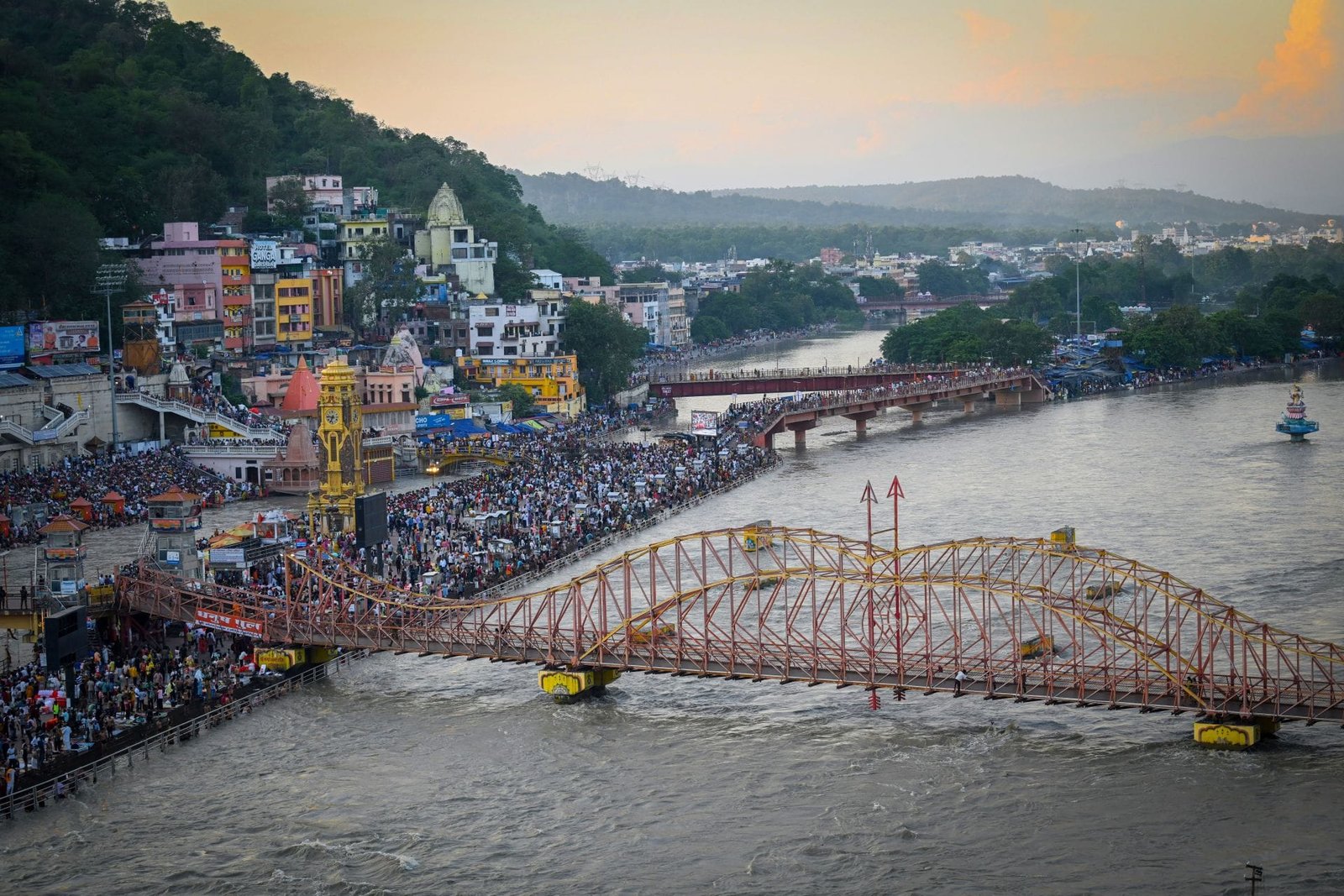

For decades, travelers have come to this Himalayan foothill town in search of spiritual peace. They seek quiet ashrams, evening prayers by the holy Ganges River, and intense yoga retreats that promise inner calm. The town has long been famous as the world capital of yoga, drawing global icons like the Beatles to its sacred banks.
But a dramatic new wave of tourism is quickly taking over the region. Rishikesh is trading its meditative silence for the loud screams of thrill-seekers. The ancient pilgrimage site is rapidly becoming the ultimate adventure sports hub in India, proving that there is far more to this destination than spirituality.
White water and wild rapids
The transformation begins on the water. The Ganges River flows fast and clear here, long before it reaches the crowded plains of northern India.
White-water rafting is the main draw for thousands of young travelers every year. The river offers different levels of difficulty. Beginners can try calm stretches, while experts tackle Grade IV rapids with names like “The Golf Course” and “Roller Coaster.”

The rafting season runs from September to June. During these months, colorful inflatable boats line the sandy riverbanks of Shivpuri, a small village located 16 kilometers upstream from the main town.
Leaping into the abyss
If the river provides horizontal speed, the cliffs of Mohan Chatti offer a vertical drop.
Located in a rugged valley just outside Rishikesh, the area hosts India’s highest fixed-platform bungee jumping site. The platform stands 83 meters above a rocky tributary of the Ganges. That is roughly the height of a 27-story building.
Jumpers stand on the edge of the metal cantilever platform. The view below is a blur of green trees and gray rocks. Instructors count down from three, and jumpers dive headfirst into the empty air.
For those who find the bungee jump too isolating, the same site features a giant swing. The swing allows two people to jump together. They free-fall before the ropes catch them, launching them into a massive arc across the valley. The speed reaches up to 160 kilometers per hour.
Taking to the skies
The adventure extends to the air. Paragliding and paramotoring have grown popular in the nearby hills of Kunjapuri.
Travelers strap themselves into harnesses alongside experienced pilots. They run off the side of a hill and glide into the sky. From hundreds of meters in the air, the view changes completely.

The crowded streets of Rishikesh shrink into tiny lines. The Ganges looks like a silver ribbon cutting through the green Shivalik mountain range. The air is cool and quiet, offering a different kind of peace than that found in the ashrams below.
Nights under the stars
The adventure does not end when the sun goes down. Instead of staying in traditional hotels, many visitors choose riverside camping.
Dozens of campsites operate in the valleys around Rishikesh. These camps range from basic tents to luxury glamping setups with running water and electricity.
Camping connects the two sides of Rishikesh. In the evening, travelers sit around bonfires, share stories of their daytime jumps, and look at the stars. The only sound is the constant rush of the river against the rocks.
In the morning, many campers step out of their tents to do yoga on the sand before heading back to the rapids.
A changing identity
Local officials say the shift toward adventure sports has boosted the local economy. It attracts a younger, wealthier crowd that spends money on gear, guides, and transportation.
However, the rapid growth has brought challenges. Environmental groups have raised concerns about trash and pollution near the riverbanks. The government has responded by creating strict rules for campsite waste management and limiting the number of rafting permits issued each year.
Rishikesh is no longer just a place for spiritual retreats. The old sadhus and yoga teachers still walk the streets, but they now share the sidewalks with travelers wearing helmets, life jackets, and cameras.
The town has found a unique balance. It shows that peace and adrenaline can exist in the exact same place.
Edited by Ankush Das