

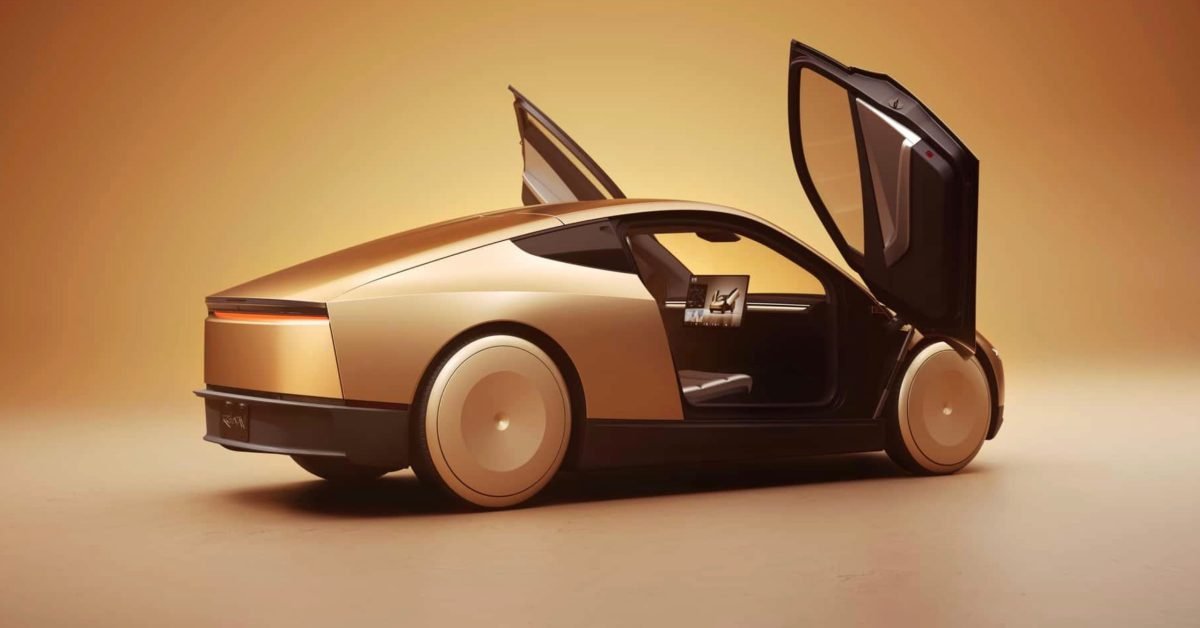
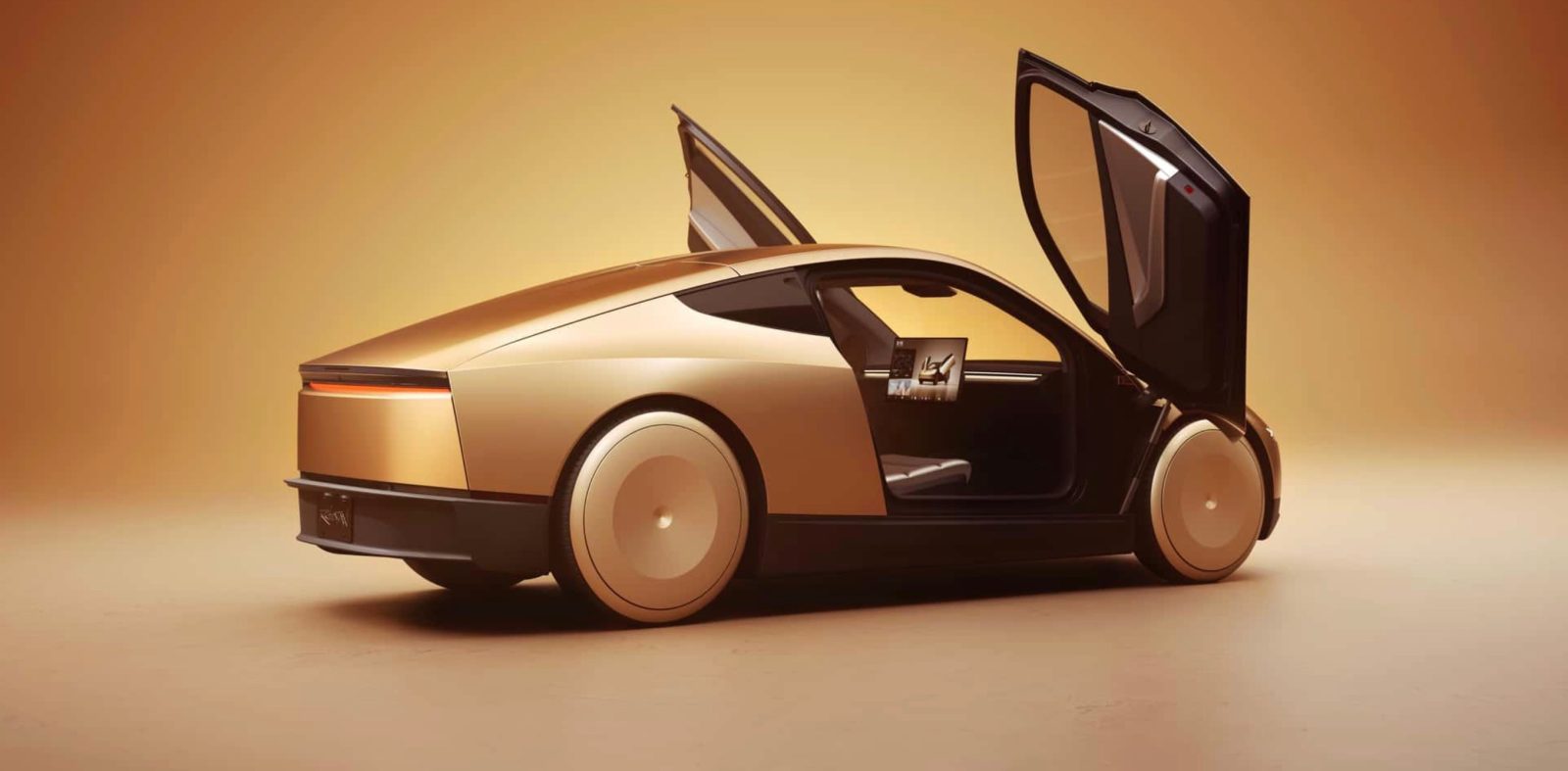
Tesla’s Cybercab EPA certification documents reveal the robotaxi’s full technical specs for the first time — including a 3,113-lb curb weight, a 219 HP motor, and a 48 kWh battery pack. The filing confirms several claims Tesla made about the vehicle while revealing some surprises.
The Certificate Summary Information (CSI) for EPA test group TTSLV00.0L1A, filed on May 21 and certified on May 26, provides the most detailed look yet at the engineering behind the most efficient EV ever produced.
Full specs from the EPA filing
We dug into the actual EPA documents at the agency’s Document Index System to pull the raw certification data. Here’s what the CSI reveals:
Powertrain:
- Motor: AC 3-Phase Permanent Magnet, rated at 163 kW (219 HP)
- Drive: Front-wheel drive, single-speed automatic
- Regenerative braking: Electrical, front wheels
Battery:
- Type: Lithium-ion, single pack
- Voltage: 326V
- Capacity: 146 Ah (~47.6 kWh)
- Recharge energy (AC from wall): 53.365 kWh
Weight:
- Curb weight: 3,113 lbs
- GVWR: 3,730 lbs
- Vehicle class: LDV / Passenger Car
Range (unadjusted EPA test results):
- Combined: 418.2 miles
- Highway: 375.4 miles
Certification:
- Standards: Federal Tier 3 Bin 0, California ZEV, ILEV
- Certification regions: Federal + California (including Section 177 states)
- Certificate issued: May 26, 2026
- Introduction into commerce: May 29, 2026
Several of these figures are making their first public appearance.
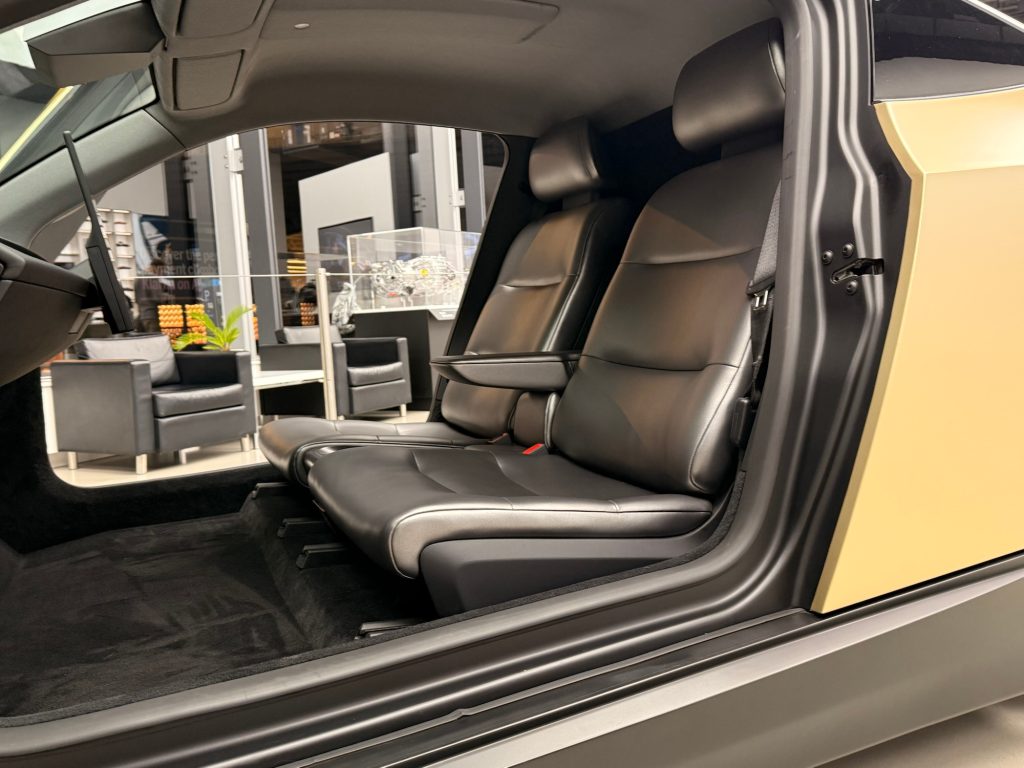
3,113 lbs is heavier than you’d expect
The curb weight stands out. At 3,113 lbs, the Cybercab is about 750 lbs lighter than a Tesla Model 3 Standard Range (~3,862 lbs) — but it has theww fewer seats, no steering wheel, no pedals, and a battery pack that’s roughly 12 kWh smaller.
For a two-seat vehicle with no driver controls, 3,113 lbs is substantial. A Mazda MX-5 Miata — also a two-seater — weighs about 2,341 lbs. A four-door Honda Civic comes in around 2,877 lbs.
The battery accounts for a good chunk of the mass. At 47.6 kWh with a specific energy of 154 Wh/kg (as listed in the filing), the pack weighs roughly 680 lbs. But the remaining vehicle mass suggests Tesla didn’t go ultra-lightweight on the chassis. The autonomous driving hardware — cameras, compute module, and associated wiring — adds weight that a conventional car doesn’t carry, but it isn’t substantial.
The GVWR of 3,730 lbs means the Cybercab can carry about 617 lbs of payload — enough for two passengers and their luggage, but without a lot of margin.
Cybercab’s 219 HP electric motor
The 163 kW (219 HP) AC permanent magnet motor is not incredibly powerful, but it’s what we expect for a vehicle meant for ride-hailing. For context, a Toyota Corolla makes 169 HP and weighs about the same.
The engineering logic is likely efficiency-related. Electric motors operate most efficiently at specific points on their torque curve — a motor rated at 219 HP running at low loads (typical urban driving) can operate in a more efficient region than a smaller motor working harder to deliver the same performance. Tesla’s powertrain team has consistently oversized motors relative to a vehicle’s performance targets to optimize efficiency.
The front-wheel-drive layout is notable. Most Tesla vehicles use rear-wheel or all-wheel drive. FWD suggests Tesla optimized for packaging and cost — a front motor eliminates the need for a rear subframe and driveshaft, saving weight and complexity in a vehicle that doesn’t need the performance dynamics of RWD.
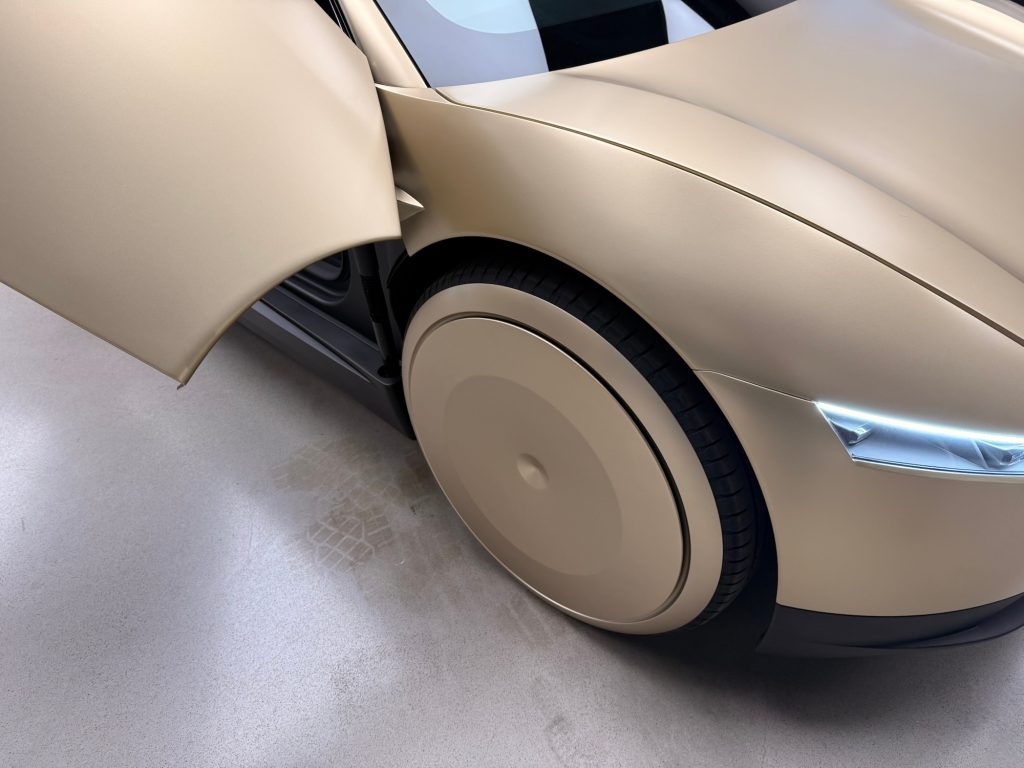
418-mile unadjusted range confirms “close to 300 miles”
The unadjusted combined range of 418.2 miles is the raw number from the EPA’s Multi-Cycle Test (MCT). The EPA typically applies a correction factor of roughly 0.7 for electric vehicles to account for real-world conditions — air conditioning, heating, aggressive driving — which brings the adjusted range to approximately 293 miles.
That lines up with Tesla’s previous claim of “close to 300 miles” and confirms the 165 Wh/mi efficiency rating we reported last month.
The highway unadjusted range of 375.4 miles is lower than the combined figure, as expected — sustained highway speeds consume more energy than the urban-heavy EPA test cycle.
The recharge energy of 53.365 kWh — the total AC energy drawn from the wall to fully charge — is about 12% more than the battery’s usable capacity, reflecting typical charging losses through the on-board charger.
Cybercab’s primary charging method is wireless induction charging, which is generally less efficient than using a cable.
Introduction into commerce: May 29
The filing lists the “Introduction into Commerce Date” as May 29, 2026. That date has already passed, which means Tesla has technically introduced the Cybercab into commerce — consistent with the production ramp that started at Giga Texas in April.
This doesn’t mean Cybercabs are carrying passengers. Tesla still hasn’t received regulatory approval for unsupervised autonomous driving, and the vehicle rolled off the line without a clear path to driverless operation. But the EPA certification is complete, and the Cybercab is officially cleared for US roads from an emissions and efficiency standpoint.
Electrek’s Take
The EPA filing fills in the blanks that Tesla’s marketing left out. We now know exactly what’s under the skin of the Cybercab, and the picture is interesting.
The 219 HP motor and 48 kWh battery confirm Tesla overspecced the powertrain for efficiency rather than building the cheapest possible robotaxi. A smaller motor than what we are used to in Tesla vehicles gives headroom for efficiency optimization. That’s the same approach that produced the industry-leading 165 Wh/mi rating.
The 3,113-lb curb weight is the most surprising figure. For a vehicle designed from scratch as a lightweight two-seat robotaxi, it’s heavier than expected — suggesting the autonomous hardware and crash structures for a steerless front zone add significant mass.
The real question remains unchanged: none of these specs matter until Tesla solves unsupervised autonomous driving. The Cybercab is certified, in production, and technically introduced into commerce. But without autonomy approval, it’s still a vehicle without a purpose — a very efficient one, but purposeless nonetheless.
The Cybercab’s record-setting efficiency shows just how far a kilowatt-hour can stretch — imagine what home solar could do for your own energy costs. With electricity rates climbing nearly 10% last year, home solar protects you against future rate increases. And with lease and PPA options, you can go solar with zero upfront cost and start saving immediately. If you want to find the best deal, check out EnergySage. It’s a free service with hundreds of pre-vetted installers competing for your business, so you save 20 to 30% compared to going it alone. No sales calls until you pick an installer. Get your free quotes here.


FTC: We use income earning auto affiliate links. More.