


4 min readNew DelhiAug 2, 2026 09:00 PM IST
A user on Quora recently posed a question that many people have probably wondered about but rarely ask: Can taking too many painkillers damage your liver? It’s an important concern. Whether it’s a headache after a long workday, joint pain from ageing or body aches during a viral infection, painkillers are often the first medicines people reach for. Because many are available over the counter, they are frequently taken without medical advice, leading some people to exceed the recommended dose or use them for prolonged periods.
DISCLAIMER: This article is based on information from the public domain and/or the experts we spoke to. Always consult your health practitioner before starting any routine.

According to Dr Bhushan Bhole, Senior Consultant, GI Surgery and Liver Transplantation, PSRI Hospital, while painkillers are effective when used correctly, overuse can have serious consequences, particularly for the liver.
Can excessive painkiller use harm the liver?
The answer depends on which painkiller you are taking, how much you take and your overall health, says Dr Bhole.
“Taking too much of some types of painkillers, or taking them for too long, can damage the liver. The chief concern is paracetamol (acetaminophen). It is generally safe when taken at the recommended dose, but exceeding the daily limit or unknowingly taking multiple medicines containing paracetamol can cause serious liver injury, even acute liver failure,” he explains.
Many people don’t realise that paracetamol is also an ingredient in several cold, flu and fever medications. Taking multiple products together can unintentionally push someone beyond the safe daily limit.
Dr Bhole adds that while non-steroidal anti-inflammatory drugs (NSAIDs) such as ibuprofen, diclofenac and naproxen are better known for causing stomach ulcers, kidney problems and heart-related side effects, they can occasionally affect the liver as well.
Story continues below this ad
“Liver injury from NSAIDs is much less common than paracetamol toxicity, but it can occur, particularly with prolonged or high-dose use,” he says.
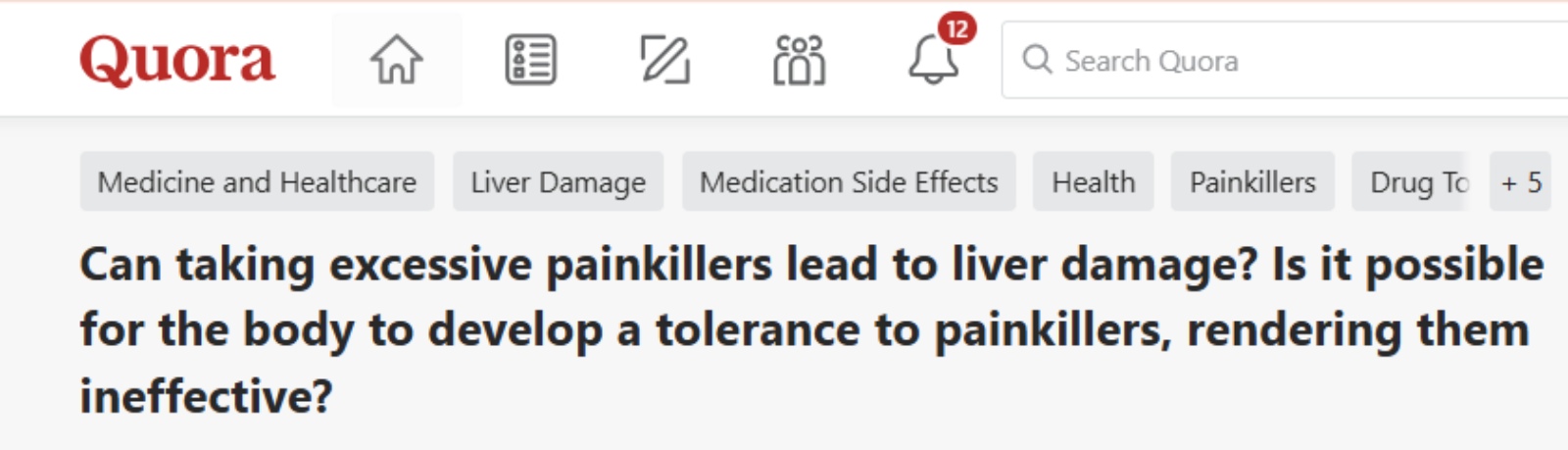 Are painkillers bad for your body (Photo: Screengrab from Quora website)
Which painkillers carry the greatest risk?
Among over-the-counter painkillers, paracetamol remains the biggest threat to the liver when taken in excessive amounts, according to Dr Bhole.
“Paracetamol is found in many cold, flu and fever medicines, so people may unknowingly consume more than the recommended dose,” he says.
Although less common, diclofenac, a widely used NSAID, has also been associated with liver injury in some individuals.
Story continues below this ad
Dr Bhole says the risk of liver damage increases significantly if a person:
* Exceeds the recommended daily dose of paracetamol.
* Takes more than one medicine containing paracetamol.
* Consumes alcohol regularly.
* Already has liver disease.
* Uses painkillers for long periods without medical supervision.
* Is elderly, underweight or taking medications that interact with painkillers.
“Reading medicine labels carefully and avoiding unnecessary or prolonged use can significantly reduce these risks,” he advises.
How to manage pain without relying on painkillers
Painkillers are designed for short-term symptom relief, not as a long-term solution.
Story continues below this ad
“If you have frequent headaches, joint pain or persistent body aches, the priority should be identifying and treating the underlying cause rather than repeatedly taking painkillers,” says Dr Bhole.
He recommends several lifestyle measures that can reduce the need for medication:
* Exercise regularly and stretch to maintain muscle and joint health.
* Consider physiotherapy for chronic back, neck or joint pain.
* Maintain a healthy weight to reduce pressure on the joints.
* Prioritise good-quality sleep.
* Practise stress management through yoga, meditation or relaxation techniques.
* Stay well hydrated and eat a balanced diet.
* Use heat or cold packs for muscle strains and joint pain where appropriate.