

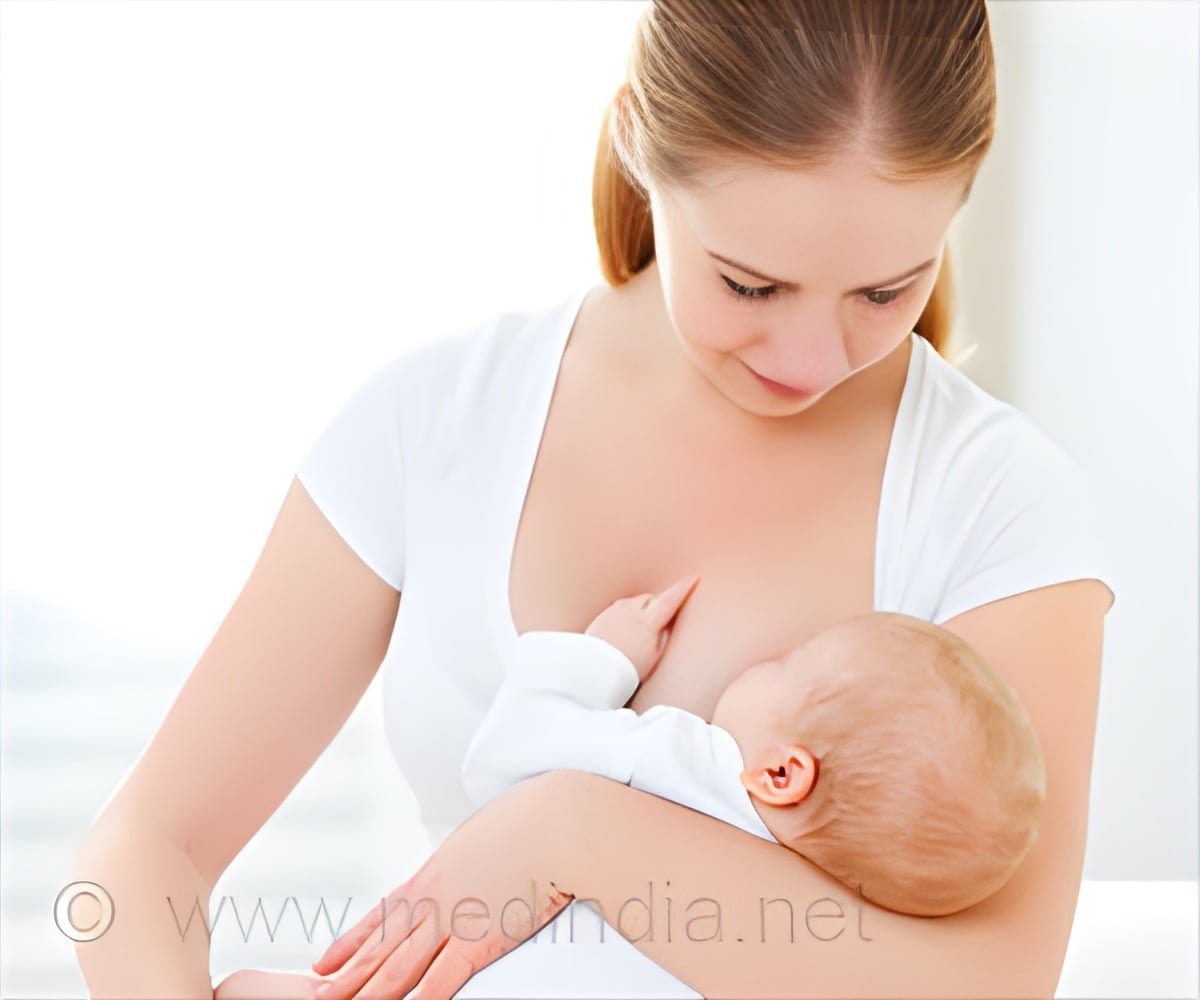
Breastfeeding vs. Bottle-Feeding: Who is the Perfect Mom? The “instamom” phenomenon is transforming parenting conversations and influencing modern motherhood standards.
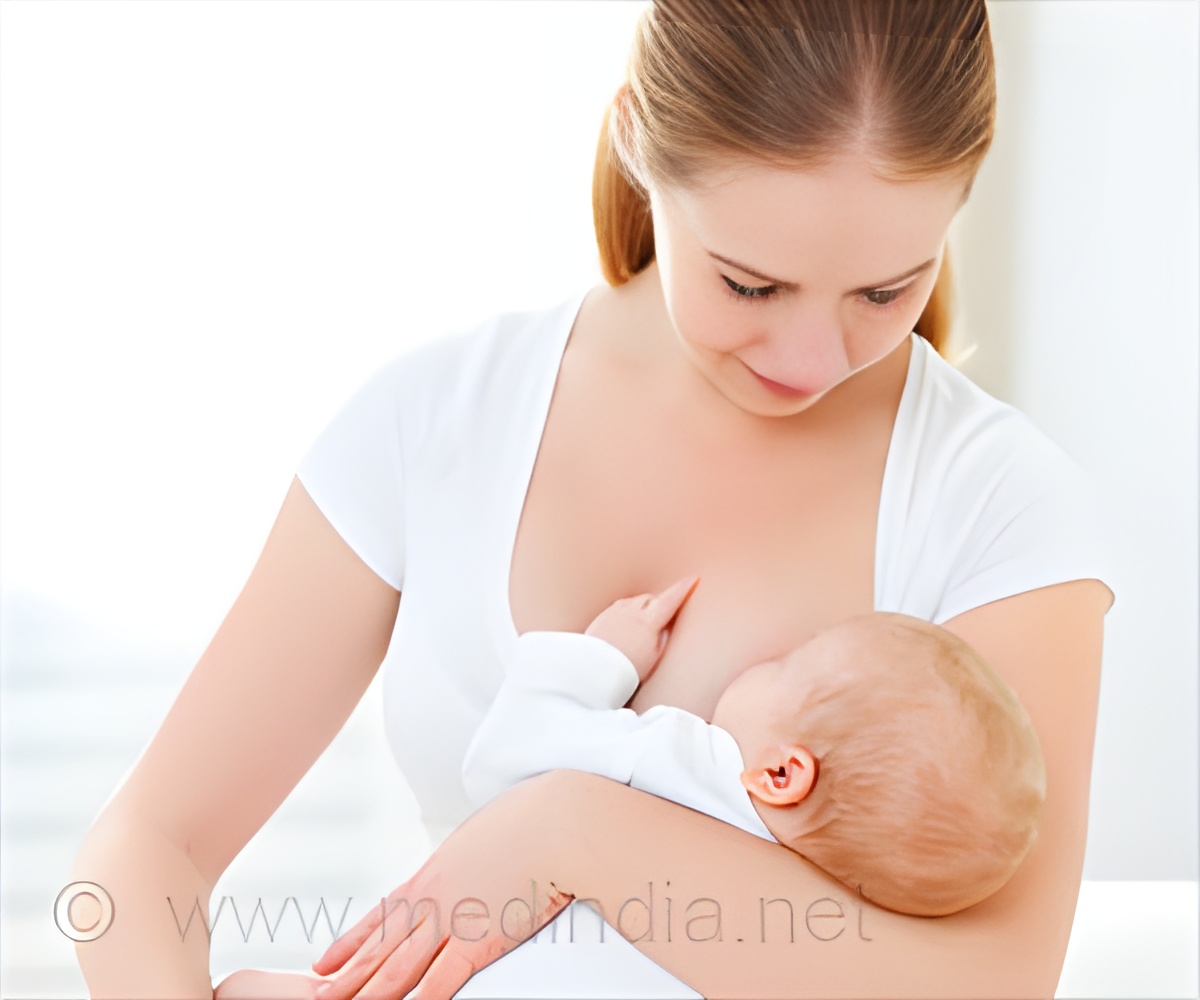
Breastfeeding is often portrayed as the gold standard of motherhood. But this ideal can leave mothers who bottle-feed feeling judged or guilty. This World Breastfeeding Week, let’s support every mother’s feeding journey—without judgment.
Advertisement
World Breastfeeding Week: Motherhood Beyond Breastfeeding
A study by Pompeu Fabra University (UPF) found that some Instagram posts promote the idea that “good mothers” must exclusively breastfeed. These messages can make women who cannot or choose not to breastfeed feel guilty, especially when balancing work and other daily responsibilities. The study also highlights the growing influence of “instamoms,” whose large followings are shaping public views of motherhood.
Advertisement
Why Many Mothers Can’t Meet Breastfeeding Recommendations?
The study identifies that the predominant discourse on breastfeeding on Instagram contrasts with the everyday reality of many women, conditioned by structural social and economic factors. While the World Health Organization recommends exclusively breastfeeding for the first six months of the baby’s life, maternal leave in Spain currently stands at 19 weeks. This is one of the reasons why even women who prefer this option have to stop sooner than they would like.
Advertisement
Instagram’s “Mommy Wars”: Support or Judgment?
The so-called “mommy wars” highlight the conflict between society’s expectations of motherhood and women’s real-life experiences.
In this context, comments on Instagram on the subject reflect the tensions between the idealized representation of motherhood and the real experiences of many mothers and have become symbolic battlegrounds, also coined as “mommy wars”. On the one hand, they are spaces of mutual support among mothers, where they have access to specialized advice. On the other, they can become spaces for social judgement, where mothers who do not conform to the traditional canons of a “good mother” come under criticism. These controversial comments are also encouraged by Instagram’s algorithms which, as previous studies on digital platforms point out, can favour these types of content.
The study is published in the journal Media&Jornalismo (1✔ ✔Trusted Source
Breastfeeding as the Cornerstone of ‘Good Motherhood’
Behind the Perfect Mom Posts: Influence and Income
The influencer mothers analyzed present themselves as experts and prescribers in maternity, parenting and breastfeeding. But, according to Mittzy Arciniega, their role is fraught with contradictions. “On the one hand, they present themselves as experts on maternity, parenting or breastfeeding and give advice and support to other women. But, on the other hand, they participate in digital economy dynamics. Many of them use their Instagram accounts as a source of social reputation or even to make a financial profit”, the UPF researcher explains.
What Characterizes the Discussions on Instagram Generated by Instamoms?
The research has identified these four trends:
- Expressions of guilt and sacrifice associated with breastfeeding: many women express their frustration at not having been able to breastfeed exclusively when returning to work, while others explain how they have sacrificed themselves -to the point of feeling physical pain- to continue with it for as long as possible. Despite this, many consider that the effort is worth it due to the emotional gratification entailed.
- Accounts of social pressures to conform to the traditional canon of a “good mother”: some women explain on Instagram that some paediatricians have questioned their decision to give up exclusively breastfeeding, and that they have also faced criticism and judgement by family members.
- The discourses analysed reflect a limited representation of family and social diversity: the comments on Instagram are mostly framed in a traditional (heteronormative) family model that does not take into account the different models of coexistence, nor the mothers’ cultural diversity or socioeconomic conditions.
- Maternal loneliness: several comments express women’s feelings of loneliness in parenting tasks and emphasize that fathers’ participation is limited.
Stop Blaming Mothers: Motherhood is More Than a Personal Responsibility
Lack of discourses critical of the structural factors that hinder mothers’ reconciliation.
Study co-author Sílvia Escobar also highlights another general conclusion from the study: “Although on Instagram mothers express the difficulties involved in reconciling their daily lives with breastfeeding and parenting their children, they mostly conceive it as an individual problem and do not attribute it to structural social shortcomings of the neoliberal and patriarchal model”. Therefore, the research concludes that these Instagram spaces have little potential to incite critical awareness and to empower women to defend their rights.
Motherhood is bigger than feeding choices; every mother’s journey deserves respect.
Reference:
- Breastfeeding as the Cornerstone of ‘Good Motherhood’ – (https://impactum-journals.uc.pt/mj/article/view/17046)
Source-Eurekalert