

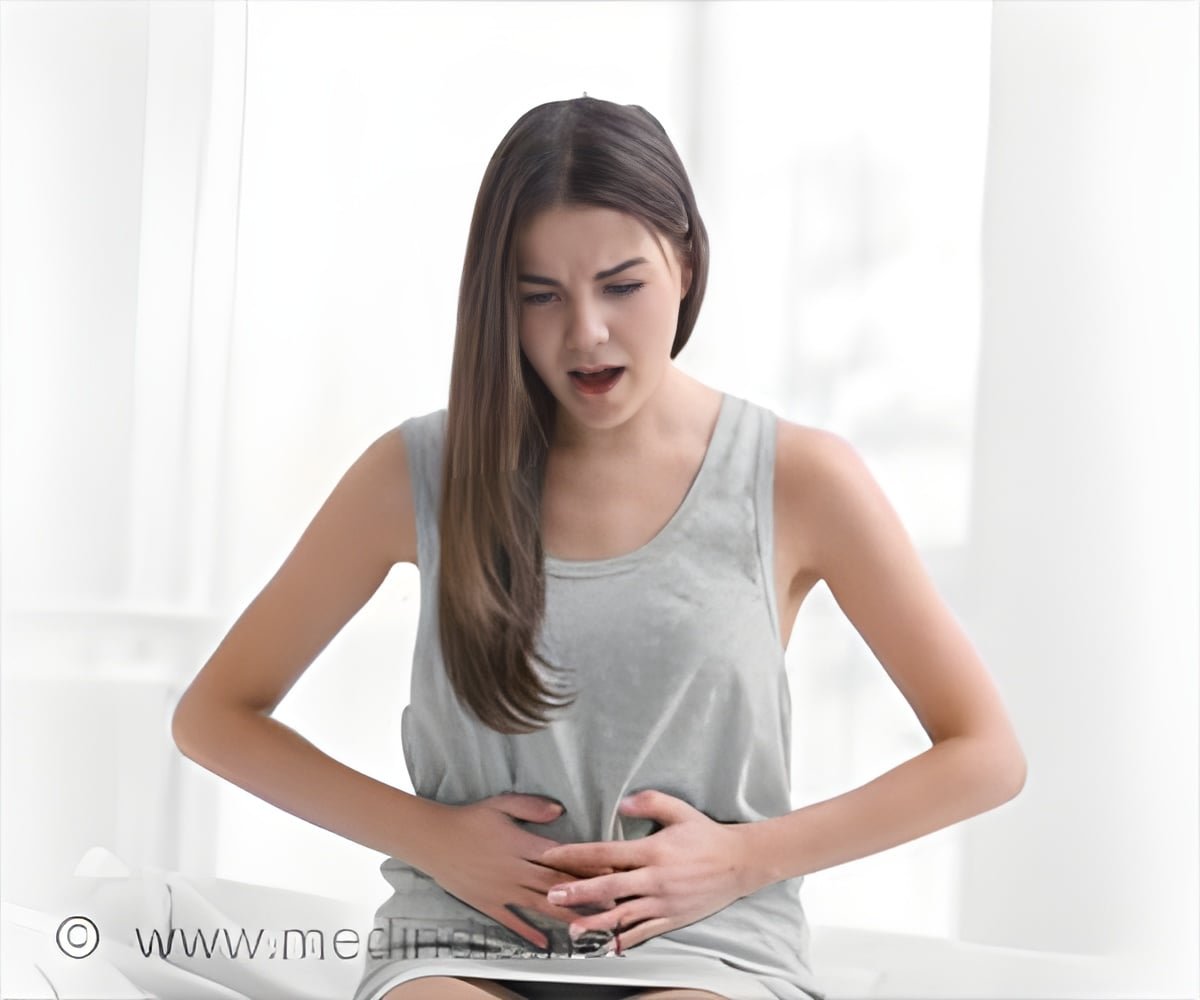
Your stomach looks normal in the morning but suddenly swells by evening. Recurring bloating around periods could signal endometriosis.
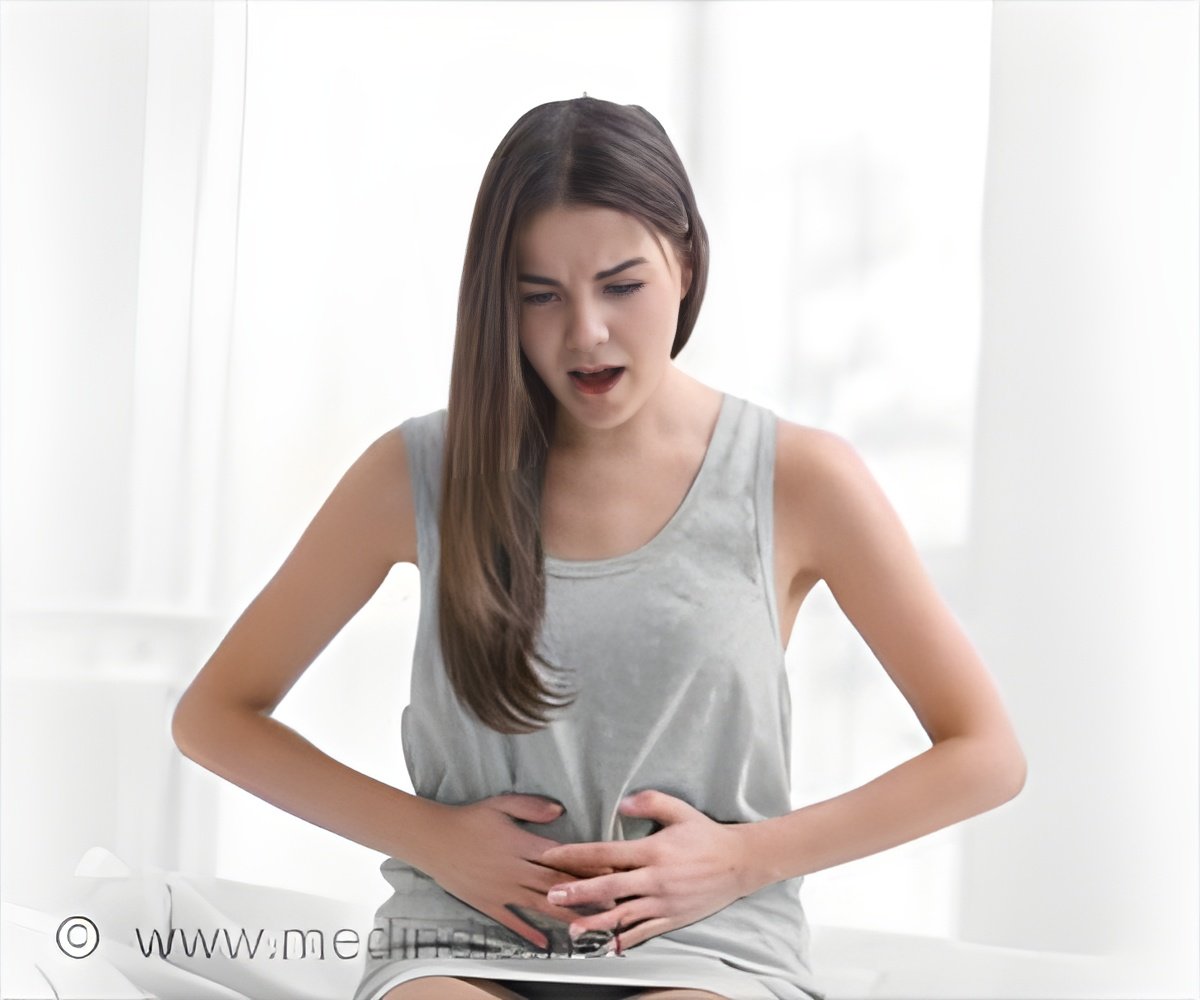
- Endo belly can cause sudden visible abdominal swelling that may become worse around the menstrual cycle
- Recurring bloating with pelvic pain, painful periods, or bowel changes deserves medical evaluation for endometriosis
- Endo belly should not automatically be blamed on food because unnecessary dietary restrictions may delay proper diagnosis
You leave home feeling comfortable, yet by afternoon your abdomen has expanded enough to make your clothes painfully tight. For many women, this dramatic swelling is repeatedly dismissed as overeating, indigestion, or another inconvenient part of menstruation. However, when bloating becomes severe, painful, and closely follows your menstrual cycle, another condition deserves consideration. This sudden abdominal swelling is often described as ‘endo belly’ by people living with endometriosis.
Endometriosis affects an estimated 190 million reproductive-age women worldwide and can cause pain, infertility, nausea, and abdominal bloating (1). Yet its symptoms frequently overlap with digestive and menstrual complaints, making the underlying condition difficult to recognize promptly. Endo belly is not a separate disease or formal diagnosis, but rather a patient-used term describing pronounced abdominal distension associated with endometriosis. Recognizing its pattern may provide an important clue when seemingly ordinary bloating keeps disrupting everyday life.
Advertisement
What is Endo Belly and What does it Feel Like?
Endo belly describes pronounced abdominal bloating or distension experienced by some people living with endometriosis (2). Unlike mild fullness after eating, the abdomen may become visibly enlarged, tight, uncomfortable, and sometimes painful within several hours. Someone may begin the morning without noticeable swelling but struggle with comfortably fitting clothes later that afternoon. The rapid and visible change can make endo belly particularly distressing and difficult to dismiss.
The swelling can fluctuate considerably, and symptoms may become more noticeable around ovulation or before menstruation. Some people also experience pelvic pain, nausea, constipation, diarrhea, or discomfort during bowel movements alongside abdominal distension. These accompanying symptoms provide important context because bloating alone has numerous gastrointestinal and hormonal causes. Looking at when symptoms appear, rather than focusing only on appearance, can help reveal a recurring pattern.
Advertisement
Why does Endometriosis cause Abdominal Swelling?
Endometriosis occurs when tissue resembling the uterine lining grows outside the uterus, commonly within the pelvic region. The condition creates chronic inflammation, which can irritate surrounding tissues and contribute to pain throughout the menstrual cycle (1). When the bowel and nearby structures are affected, normal digestive movement may also become disturbed in some patients. Inflammation, altered bowel function, gas, and fluid retention may collectively contribute to the characteristic swelling.
Hormonal changes throughout the menstrual cycle may further influence symptoms, explaining why swelling sometimes appears at predictable times. Researchers continue investigating the complicated relationship between endometriosis, gastrointestinal symptoms, inflammation, and the gut microbiome. The mechanism therefore cannot be reduced to one hormone, one food, or one digestive problem. This complexity also explains why treatments that help one person’s bloating may provide little relief for another.
Advertisement
How is Endo Belly Different from Regular Bloating?
Ordinary bloating is extremely common and may follow large meals, carbonated drinks, constipation, or certain poorly tolerated foods. Endo belly becomes more suspicious when swelling is pronounced, recurrent, painful, or consistently connected with the menstrual cycle. Symptoms accompanying the swelling may include severe menstrual cramps, chronic pelvic pain, painful intercourse, or changes during bowel movements. The combination and timing of symptoms often matter more than bloating itself.
Importantly, abdominal swelling does not automatically mean someone has endometriosis because several gastrointestinal and gynecological conditions cause similar symptoms. Irritable bowel syndrome, food intolerances, constipation, ovarian conditions, and other disorders may produce recurring bloating or discomfort. Endometriosis and gastrointestinal disorders can also coexist, making self-diagnosis particularly unreliable. Persistent symptoms therefore deserve proper assessment rather than repeated experimentation with home remedies.
Should you Change your Diet for Endo Belly?
When bloating appears repeatedly, eliminating dairy, gluten, carbohydrates, or other foods can feel like the most logical solution. Certain foods may worsen gastrointestinal symptoms for individual patients, but endometriosis-related swelling cannot automatically be blamed on diet. Emerging research suggests a low-FODMAP approach may improve gastrointestinal symptoms in selected women with endometriosis, but it does not treat endometriosis itself (3). Restrictive diets should therefore be individualized rather than used as a substitute for medical evaluation.
Keeping a symptom diary be more informative than immediately removing several foods from your meals. Record abdominal swelling alongside menstrual dates, pelvic pain, bowel changes, meals, medications, and other noticeable symptoms. This information can help healthcare professionals identify whether episodes follow menstrual, digestive, or other recognizable patterns. A dietitian can also help prevent nutritional deficiencies when dietary modification becomes part of symptom management.
When should Bloating be Checked for Endometriosis?
Occasional bloating after meals is usually harmless, but recurrent or severe abdominal swelling deserves greater attention. Seek medical advice when bloating repeatedly accompanies painful periods, pelvic pain, painful intercourse, infertility concerns, or significant bowel symptoms. Endometriosis evaluation may involve detailed symptom history, physical examination, imaging, and further specialist assessment depending on individual circumstances. You do not need to wait until symptoms become unbearable before asking for medical help.
Diagnosis can be challenging because endometriosis symptoms vary considerably and overlap with several other health conditions. A normal day followed by sudden swelling should therefore be considered alongside your broader symptom pattern and menstrual history. Photographs and symptom records may also help demonstrate changes that disappear before a scheduled medical appointment. Earlier recognition can help patients reach appropriate care without spending years normalizing disruptive symptoms.
If your stomach occasionally feels bloated after a heavy meal, endometriosis should not automatically become your first concern. However, dramatic swelling that repeatedly appears around your menstrual cycle deserves attention, particularly when accompanied by pelvic symptoms. Instead of assuming food is responsible, track when the swelling starts, how long it lasts, and what accompanies it. Your symptom pattern can provide valuable information that a single episode of bloating cannot.
Most importantly, painful periods and severe cyclical bloating should not simply become something you learn to tolerate. Endo belly itself does not confirm endometriosis, but it can provide another reason to discuss persistent symptoms with your doctor. Appropriate evaluation can distinguish endometriosis from digestive disorders and identify situations where both conditions may be contributing. Understanding what your body repeatedly tells you is often the first step toward getting appropriate care.
Frequently Asked Questions
Which doctor should I consult for suspected endo belly?
Consult a gynecologist, preferably one experienced in endometriosis, especially when bloating accompanies pelvic pain, painful periods, or fertility concerns.
What is endo belly?
Endo belly describes pronounced abdominal bloating or swelling experienced by some people with endometriosis, often around their menstrual cycle.
How can I tell endo belly from normal bloating?
Endo belly may be more sudden, visible, painful, recurrent, and accompanied by pelvic or menstrual symptoms.
Does endo belly mean I definitely have endometriosis?
No, abdominal bloating has many possible causes, so recurring symptoms require medical evaluation rather than self-diagnosis.
Can changing my diet get rid of endo belly?
Dietary changes may ease gastrointestinal symptoms for some people, but they do not treat the underlying endometriosis.
References:
- Endometriosis
(Consoli RJ, Carlson K. Endometriosis. [Updated 2026 Jun 17]. In: StatPearls [Internet]. Treasure Island (FL): StatPearls Publishing; 2026 Jan-. Available from: https://www.ncbi.nlm.nih.gov/books/NBK567777/) - Endo Belly: What Is It and Why Does It Happen?-A Narrative Review
(Velho RV, Werner F, Mechsner S. Endo Belly: What Is It and Why Does It Happen?-A Narrative Review. J Clin Med. 2023 Nov 19;12(22):7176. doi: 10.3390/jcm12227176. PMID: 38002788; PMCID: PMC10671958.) - Effects of a low-FODMAP diet on patients with endometriosis, a prospective cohort study
(Keukens A, Veth VB, van de Kar MMA, Bongers MY, Coppus SFPJ, Maas JWM. Effects of a low-FODMAP diet on patients with endometriosis, a prospective cohort study. BMC Womens Health. 2025 Apr 12;25(1):174. doi: 10.1186/s12905-025-03715-1. PMID: 40221682; PMCID: PMC11992704.)
Source-Medindia