

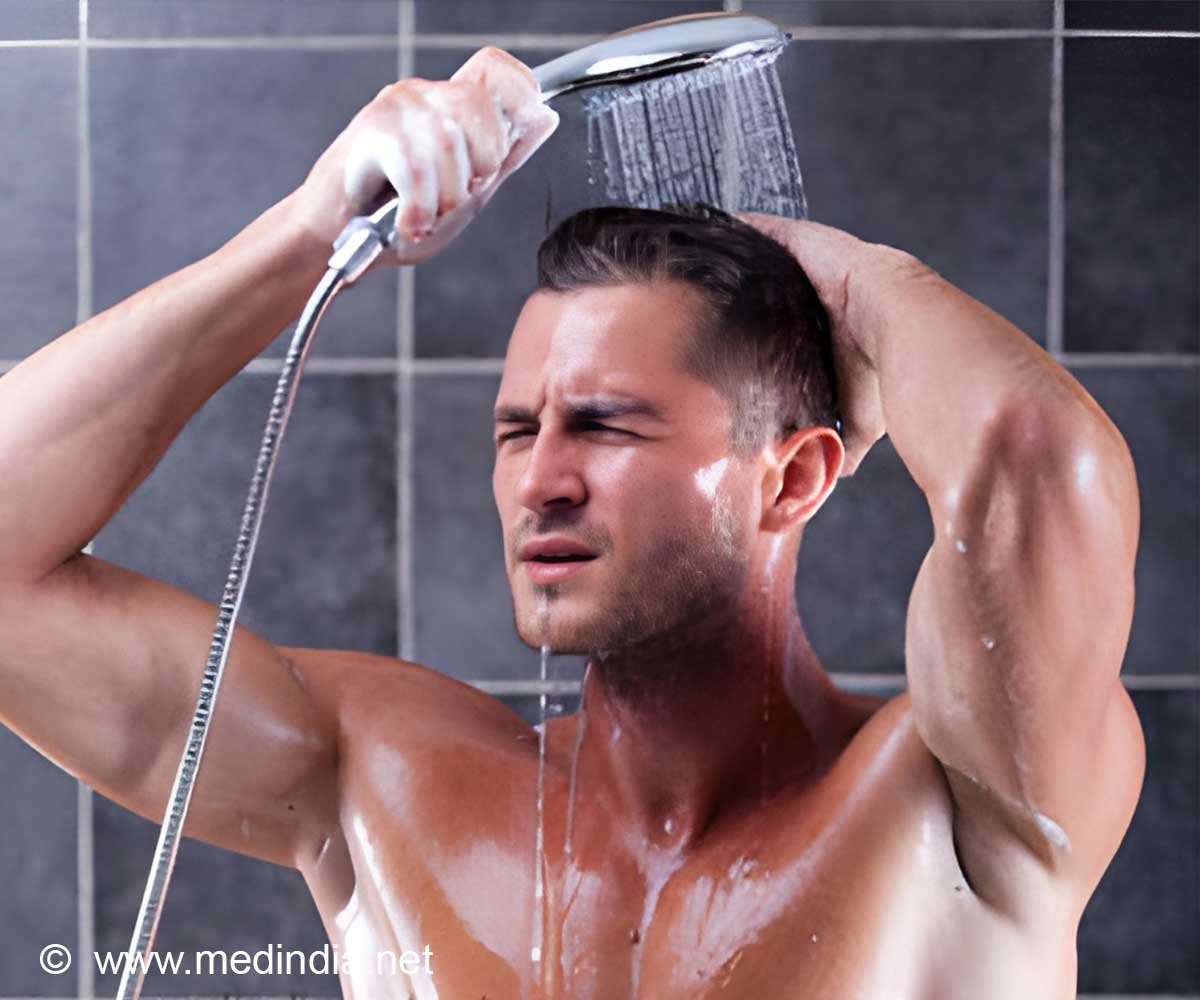
A new study found that everyday shower habits, especially shampoo use and water-flow patterns, have a greater impact on household water use than demographics.
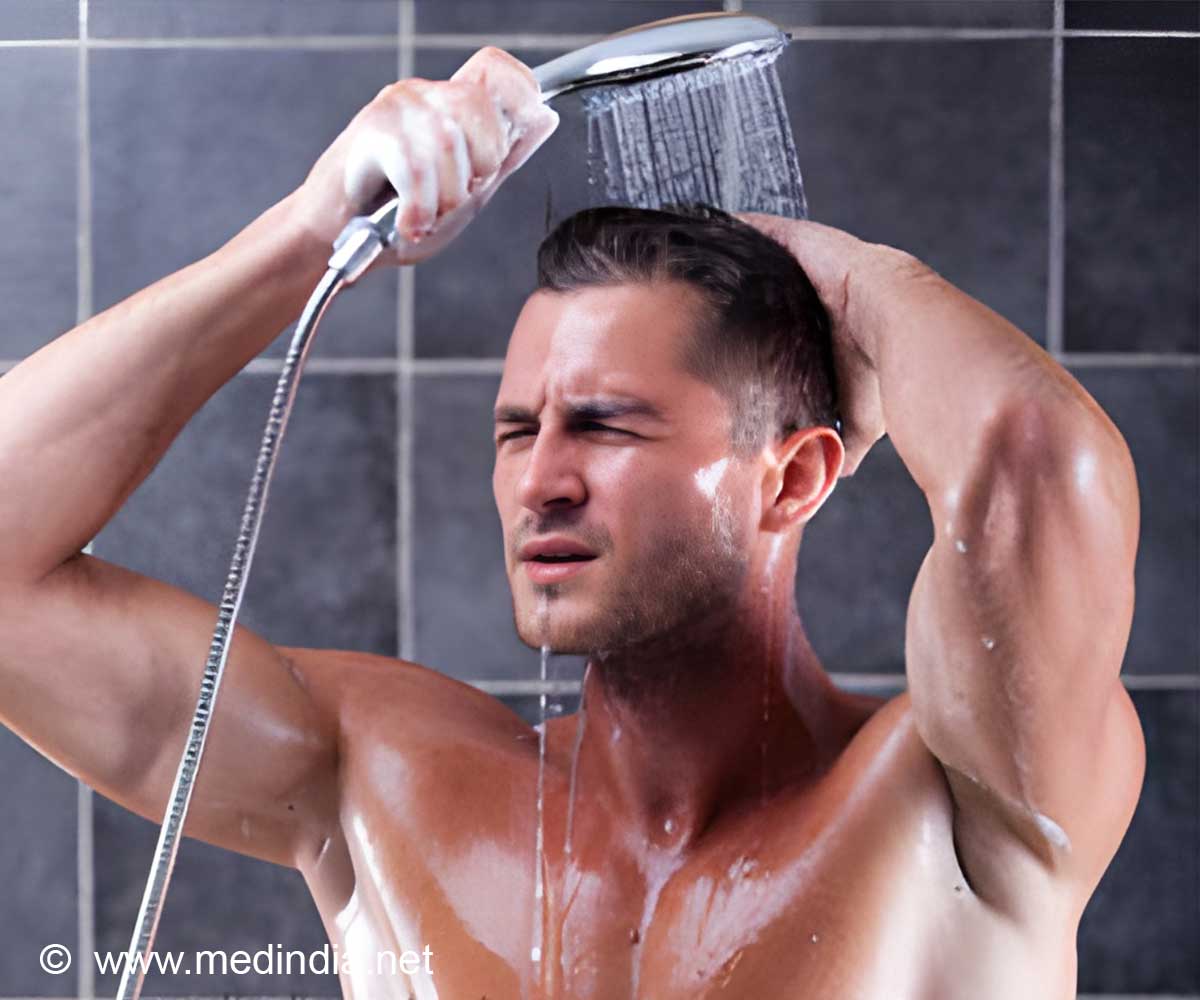
Your daily shower may be using far more water than you realize—and the biggest reason may not be your showerhead, your home, or even your age. A new study by researchers at the University of Surrey has found that simple everyday shower habits, such as applying shampoo multiple times or changing how water is used during a shower, have a much greater influence on household water consumption than personal or household characteristics. The findings suggest that understanding these daily routines could help unlock practical ways to conserve water without compromising comfort.
Published in the Journal of Environmental Management, the study reports that showers account for 25% to 45% of indoor household water use, making them the largest contributor to domestic water consumption. While most water-saving strategies focus on technologies such as efficient showerheads or pricing measures, the researchers found that everyday behaviour inside the shower deserves much greater attention (1✔ ✔Trusted Source
Event-level modelling of showering behaviour in German households: Triangulating smart-meter, in-situ survey and contextual public data
).
Advertisement
How Do Everyday Shower Habits Increase Household Water Use?
The findings show that instead of factors such as gender, household size or home type, in-shower routines and product use play a far greater role in determining shower length.
Researchers analysed shower behaviour in 319 German households using smart sensors installed in bathrooms. Over 40 days, the devices recorded 8,550 shower events, capturing duration, water pauses and environmental conditions. These data were then combined with time-stamped post-shower surveys to link observed behaviour with information on demographics, product use and hair characteristics.
Dr Pablo Pereira-Doel, co-author of the study and Fellow at the Institute for Sustainability at the University of Surrey, said:
“It turns out the biggest drivers of water use are not who you are or where you live. What matters most is what you actually do in the shower. Small routines such as applying shampoo twice or letting the water run while lathering can extend shower time far more than people realise.”
Advertisement
Which Shower Habits Make You Use the Most Water?
The analysis showed that showers involving two or more shampoo applications were around 27% longer than those with a single application. Similarly, showers with three or more pauses in water flow were around 20% longer than those with no pauses (and 28% longer than those with a single pause). Younger and middle-aged adults also tended to shower longer than people over 50.
Advertisement
Why Does Water Hardness Affect Shower Duration?
Water hardness also played a role. Showers in areas with softer water lasted about 23% longer than those in hard water regions, possibly because softer water produces richer lather and a more comfortable experience, encouraging people to linger.
How Can Better Shower Habits Help Save Water?
The researchers argue that these insights could help design more effective strategies to reduce water use. Instead of focusing solely on technology or pricing, interventions could target behaviour during showers, such as encouraging single shampoo applications or prompting users to turn off water while lathering.
Dr Pereira-Doel added:
“If we want to reduce household water consumption, we need to design solutions that work with people’s habits rather than against them. Behavioural nudges, smarter feedback devices and better product design could all play a role in helping people use less water without sacrificing comfort.”
The findings highlight that conserving water does not always require major technological changes. By better understanding everyday shower habits, future water-saving strategies could combine efficient technologies with simple behavioural changes, helping households use water more sustainably while maintaining a comfortable daily routine.
Reference:
- Event-level modelling of showering behaviour in German households: Triangulating smart-meter, in-situ survey and contextual public data – (https://www.sciencedirect.com/science/article/abs/pii/S0301479726020566?via%3Dihub)
Source-Medindia