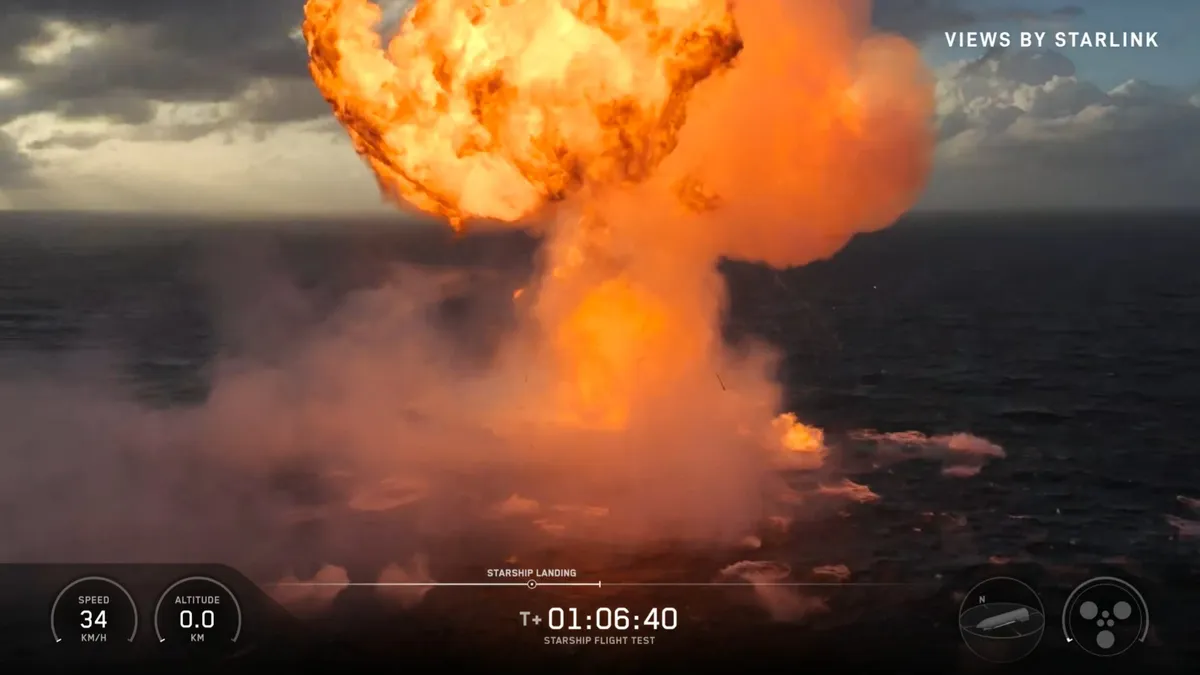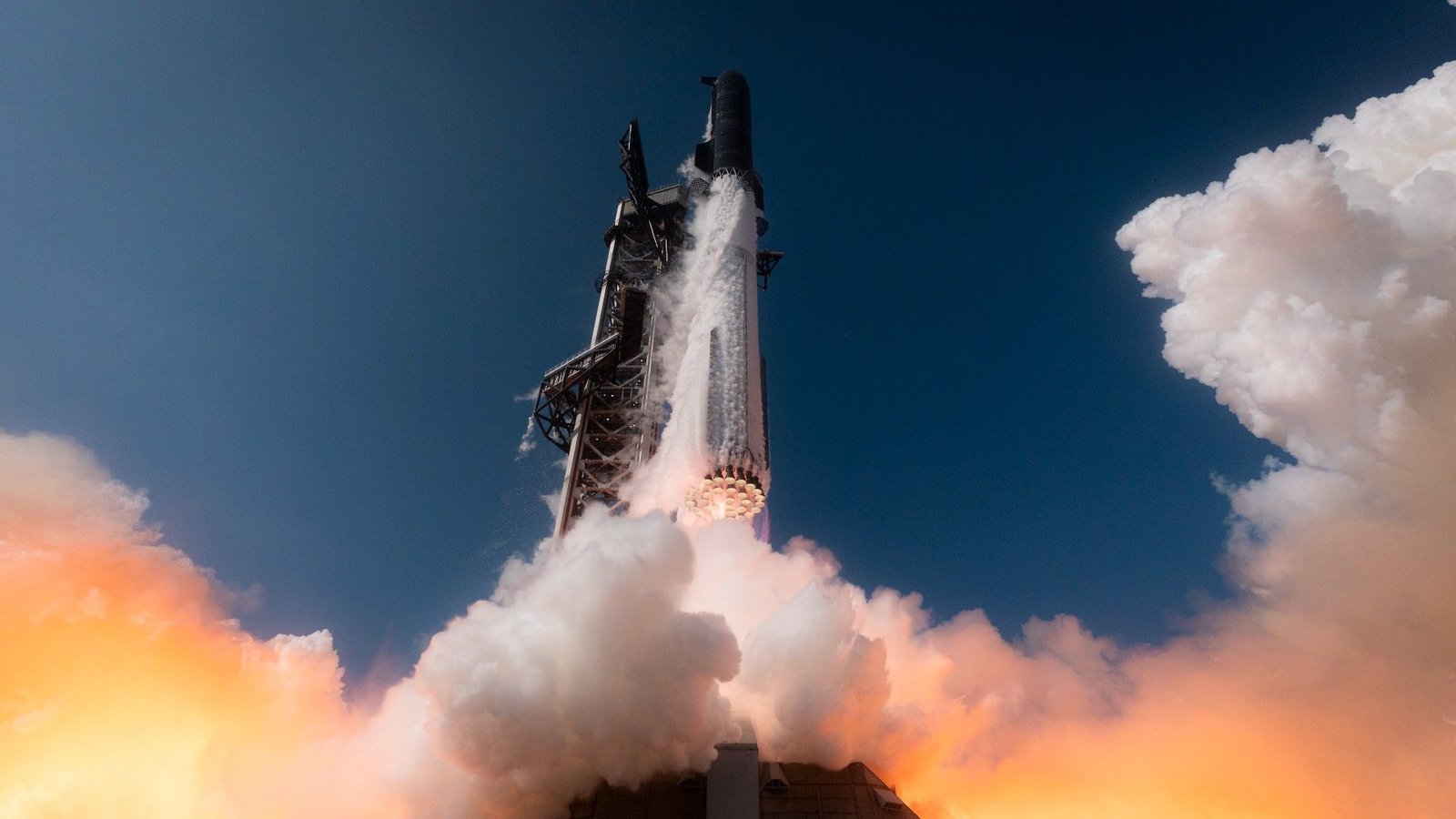
SpaceX Starship’s massive V3 launch looked incredible.
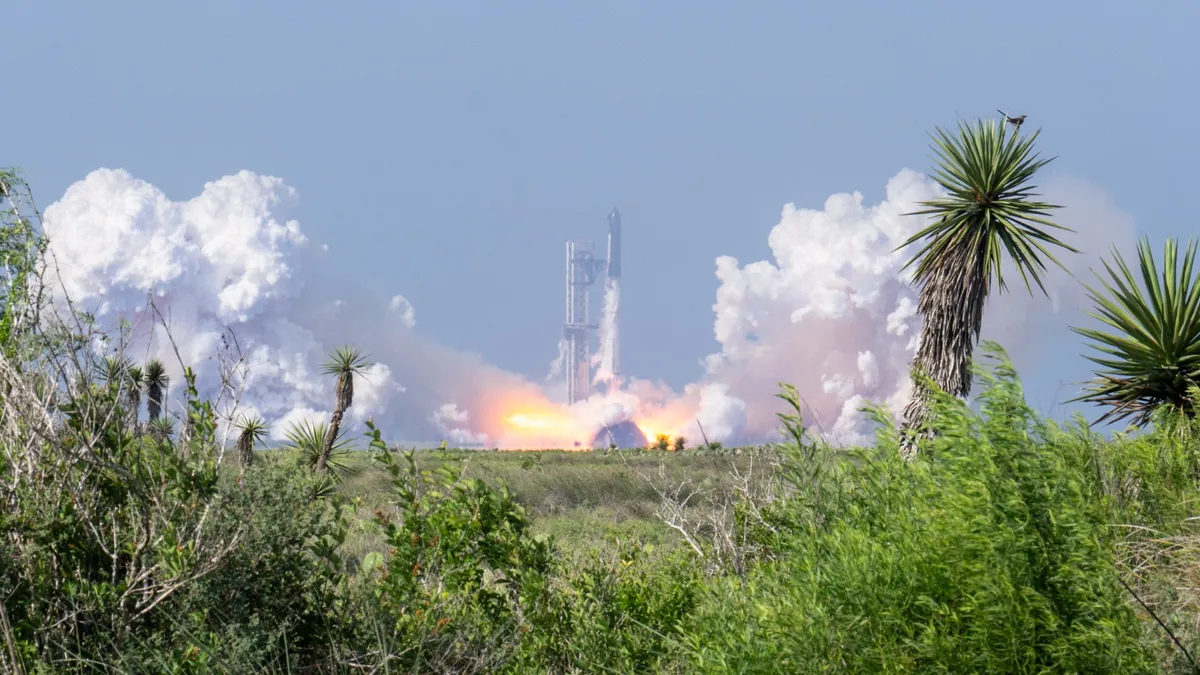
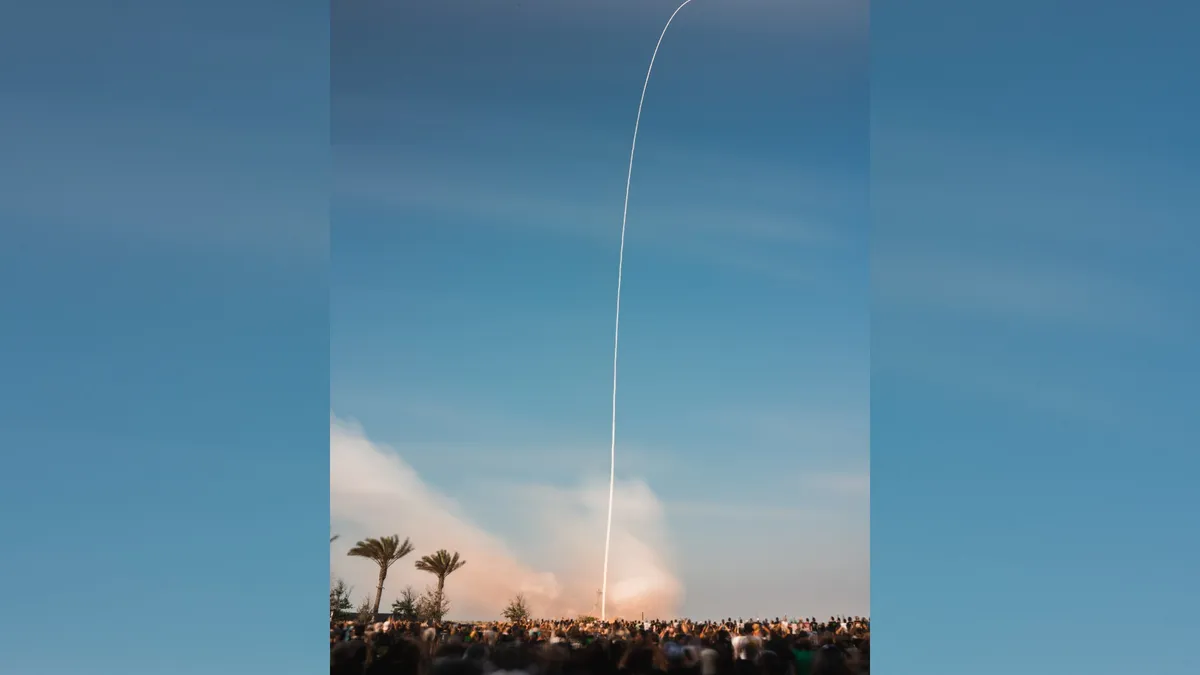
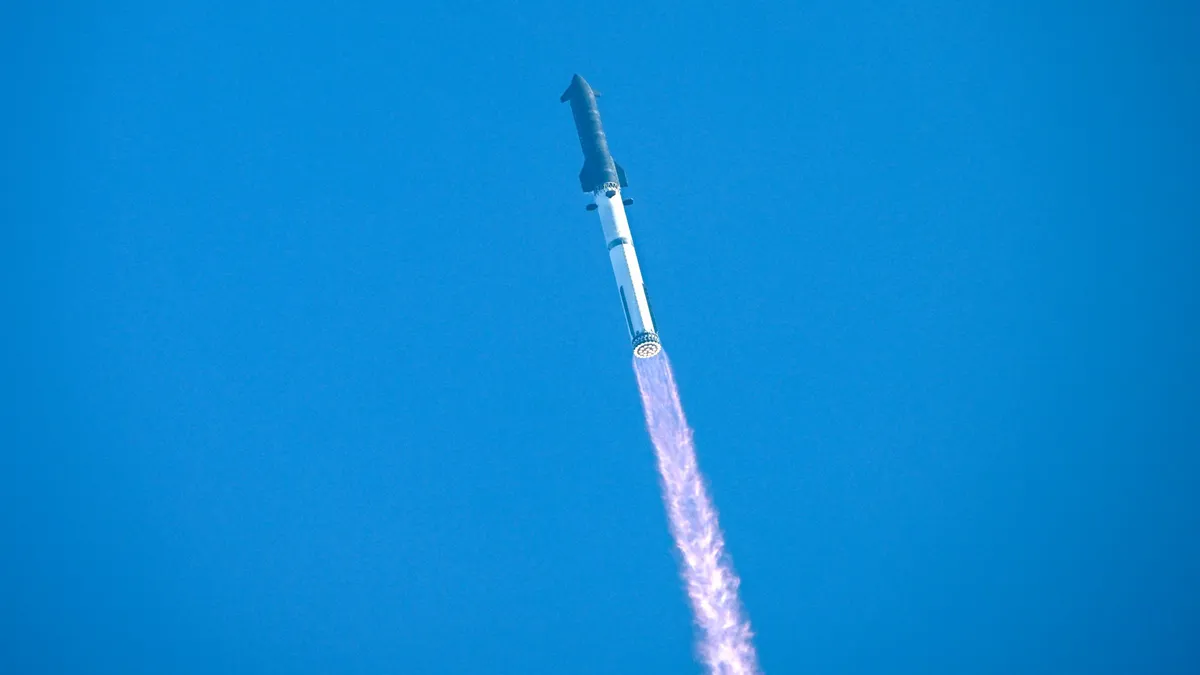
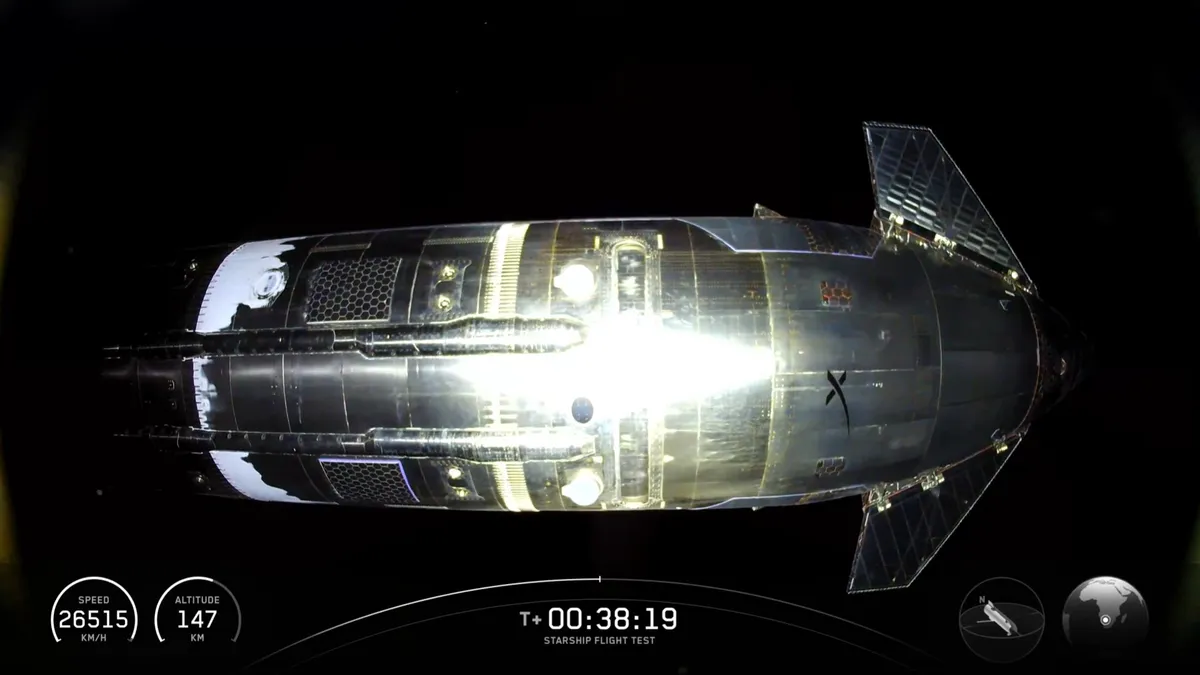
Starship launch blasted off on Friday (May 22) from SpaceX’s Starbase test site in South Texas, at 6:30 p.m. EDT (5:30 p.m. local time or 2230 GMT). The massive ship made a sojourn in suborbital space before both the Starship Super Heavy booster and its Ship upper stage made fiery splashdowns to conclude the mission.
But while the trip itself was a repeat of previous flights, and the 12th overall for the Starship program, the ship was new. SpaceX‘s newest version of Starship, standing at 408 feet or 124 meters tall, is larger and more powerful than any iteration before it.
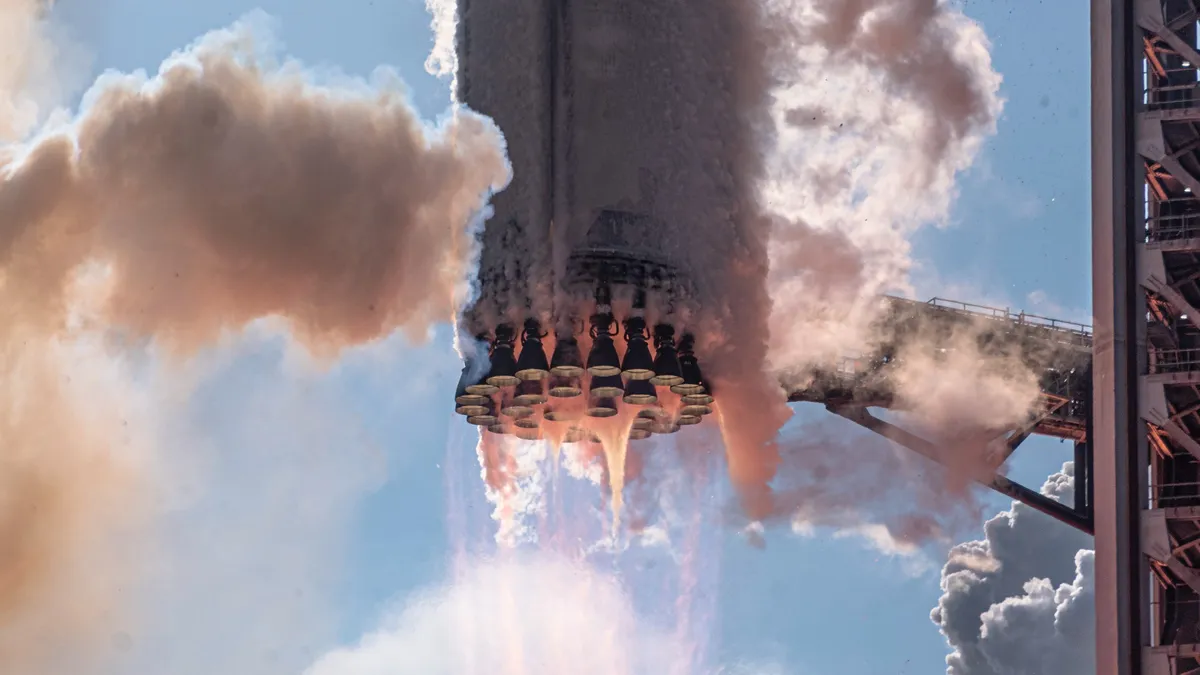
Some of the key upgrades include a new fuel transfer tube; a faster PEZ deployment system for future satellites; a more powerful Raptor Engine (39 of these across the two stages); three grid fins for reentry-directing instead of four; and a reusable “hot stage ring” lying at the intersection of Super Heavy and Ship.
SpaceX is hoping yesterday’s test passes muster with NASA, because the company is competing with Blue Origin for future (and recently accelerated) Artemis program opportunities.
So far, SpaceX is manifested to land astronauts on the moon for the Artemis 4 mission launching as soon as late 2028.
But before that, Starship needs to show it can fly in Earth orbit, transfer fuel, and safely house an astronaut life-support system, among other milestones.
NASA recently recast its moon-focused Artemis 3 mission into an Earth-orbiting test in which the Orion spacecraft will meet up with a Human Landing System from Blue Origin’s Blue Moon or SpaceX’s Starship.

It could be that NASA redraws the first lunar landing effort to include Blue Origin, if that company is more ready on the mark than SpaceX for Artemis 3.
On the other hand, however, Blue Origin hasn’t even sent Blue Moon into space yet, although it is planning to do so later this year with the prototype Blue Moon Mark 1.