


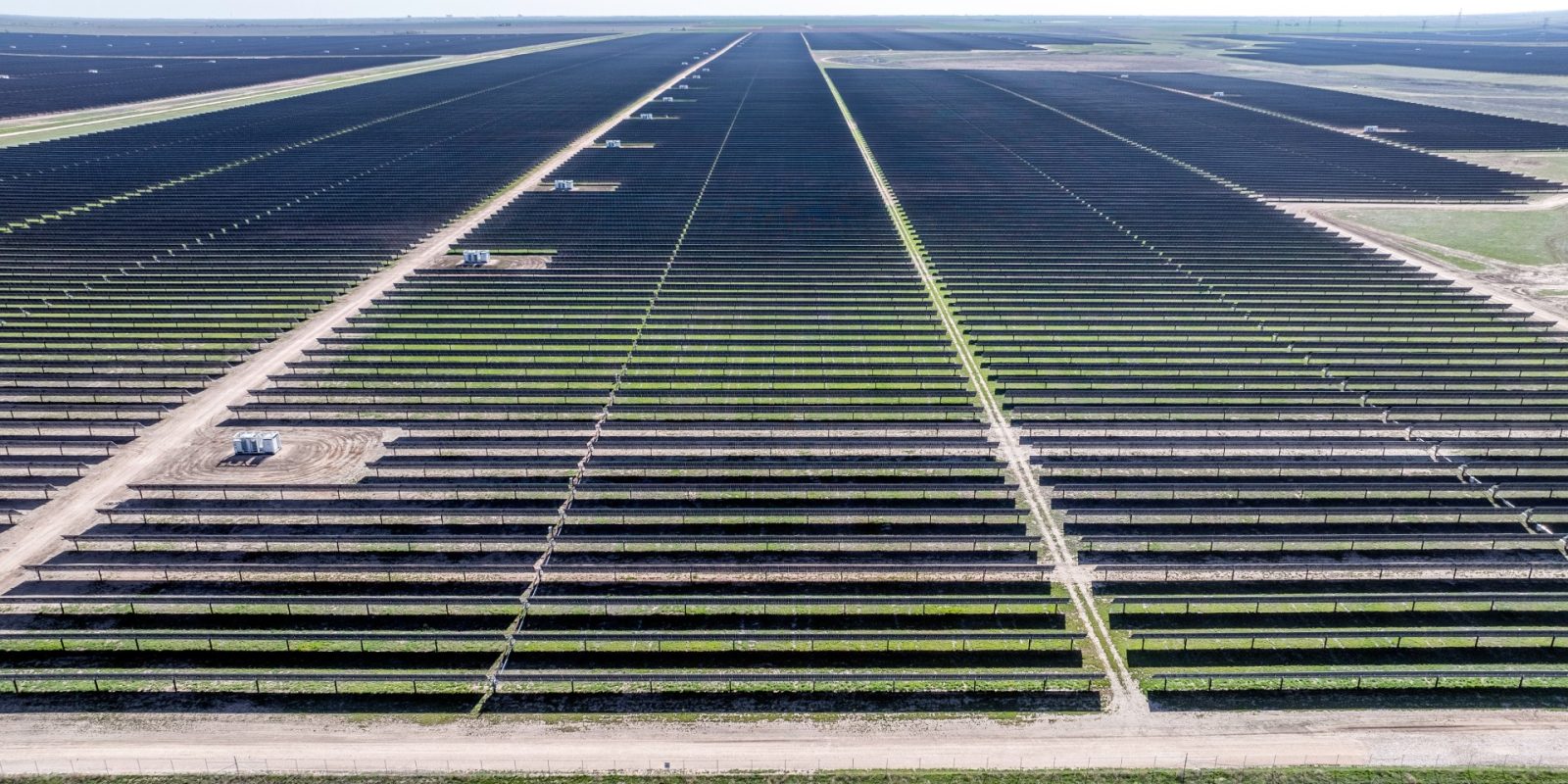
In May alone, solar-generated electricity exceeded that of both coal and wind, according to new data just released by the US Energy Information Administration (EIA), and reviewed by the SUN DAY Campaign.
Moreover, solar, wind, and battery storage are projected to add about 83.0 gigawatts (GW) of new generating capacity in the US by May 31, 2027, while total fossil fuel and nuclear power capacity will fall by almost 4.7 GW.
Electrical generation by renewables grew over 10%
According to the EIA’s latest “Electric Power Monthly” report released July 23 (with data through May 31, 2026), electricity generated by renewables during the first five months of 2026 was 10.1% higher year over year. The growth was led by utility-scale (>1 megawatt) solar (up 21.6%), small-scale solar (<1 MW) (up 12.8%), hydropower (up 10.8%), and wind (up 4.8%).
The electrical output of the nation’s nuclear and natural gas plants grew much more slowly – 1.3% and 2.5%, respectively. Electricity produced by US coal facilities dropped by 10.9%.
The combination of wind and solar, including small-scale solar, accounted for over 22.2% of US electrical production.
During the first five months of this year, wind and solar combined produced 57% more electricity than US coal plants and 26% more than its nuclear reactors. In May 2026 alone, utility-scale and small-scale solar generated 47,147 GWh. Coal generated 45,119 GWh, while wind generated 41,157 GWh.
All renewables combined, including biomass and geothermal, accounted for 30.3% of total US electrical generation during the first five months of 2026 – up from 28.2% a year earlier.
Renewable energy capacity grew by 45,000 MW in a year
Between June 1, 2025, and May 31, 2026, the installed capacity of utility-scale solar increased by 27,995.1 MW, while that of small-scale solar and wind grew by 6,664.3 MW and 10,252.6 MW, respectively. The combined capacity of all renewable energy sources, including hydropower, biomass, and geothermal, expanded by 44,711.8 MW.
In addition, utility-scale battery energy storage capacity increased by 16,551.8 MW.
Coal capacity fell by 2,235.6 MW, while nuclear capacity dropped by 27.6 MW. However, natural gas capacity rose by 6,289.0 MW.
Utility-scale renewables to add 54 GW of capacity
As of May 31, 2026, renewable energy’s share of total US utility-scale generating capacity was 34.1%. EIA projects this to grow to 37.0% by May 31, 2027. Utility-scale solar will add 43,971.9 MW, expanding its share from 13.1% to 16.1%, while wind will grow by 9,414.4 MW (including 3,355.0 MW of offshore wind), increasing from 13.4% to 13.6%. The mix of other renewables (i.e., hydropower, biomass, and geothermal) will add 284.2 MW.
The combined net capacity growth of all utility-scale renewable energy sources for the 12-month period (53,666.0 MW) is 41% more year over year (38,047.5 MW).
Meanwhile, EIA projects no new nuclear generating capacity and a net decline of 4,685.0 MW in fossil fuel capacity.
Renewables to surpass natural gas by spring 2027
EIA’s figures don’t include small-scale solar. The estimated capacity of small-scale solar systems grew by 6,664.3 MW over the last year, bringing the total to 62,088.6 MW. EIA does not provide a forecast of small-scale solar capacity growth over the next 12 months, but the SUN DAY Campaign is assuming it will roughly equal last year’s growth (an additional 6,000 MW or more).
If small-scale solar increases by approximately 6,000 MW by June 1, 2027, it will bring renewable energy’s installed capacity to about 542,096.3 MW. By comparison, natural gas’s generating capacity would total 514,845.1 MW.
Solar power’s share alone would be more than one-fifth (20.3%) of total US capacity.
Battery storage to increase 48% by June 2027
EIA foresees battery energy storage adding another 23,241.1 MW by June 1, 2027 – an increase of almost 48%, bringing the total up to 72,002.0 MW.
Thus, the combination of utility-scale renewable energy sources and battery energy storage will provide 76,907.1 MW of new clean energy capacity by late spring 2027. With the inclusion of small-scale solar, that figure could rise to close to or above 83,000 MW.
“Notwithstanding all the roadblocks erected by the Trump Administration, the growth of solar, wind, and battery storage is actually accelerating,” noted the SUN DAY Campaign’s executive director, Ken Bossong, “proving once again that one cannot stop an idea whose time has come.”
Read more: IEA: Global power demand is surging – and renewables are passing coal

If you’ve ever considered going solar, make it easy by finding a trusted, reliable solar installer near you that offers competitive pricing by checking out EnergySage. It has hundreds of pre-vetted solar installers competing for your business, ensuring you get high-quality solutions and save 20-30% compared to going it alone. Plus, it’s free to use, and you won’t get sales calls until you select an installer and share your phone number with them.
Your personalized solar quotes are easy to compare online, and you’ll get access to unbiased Energy Advisors to help you every step of the way. Get started here.


FTC: We use income earning auto affiliate links. More.