

How did two-year-old Khushi help her brother battle thalassemia? A perfect HLA match allowed her to donate stem cells, offering Som a chance at a healthier life.
Raksha Bandhan is traditionally a celebration of the bond between brothers and sisters. But the story of Som and Khushi Yadav gives the festival a deeper meaning. At just two years old, Khushi became a blood stem cell donor for her brother Som, who was battling thalassemia major, helping give him the chance at a healthier life.
The sibling story is being highlighted by DKMS Foundation India, a non-profit organization working to support patients with blood cancer and blood disorders such as thalassemia and aplastic anemia.
Advertisement
What Is Thalassemia?
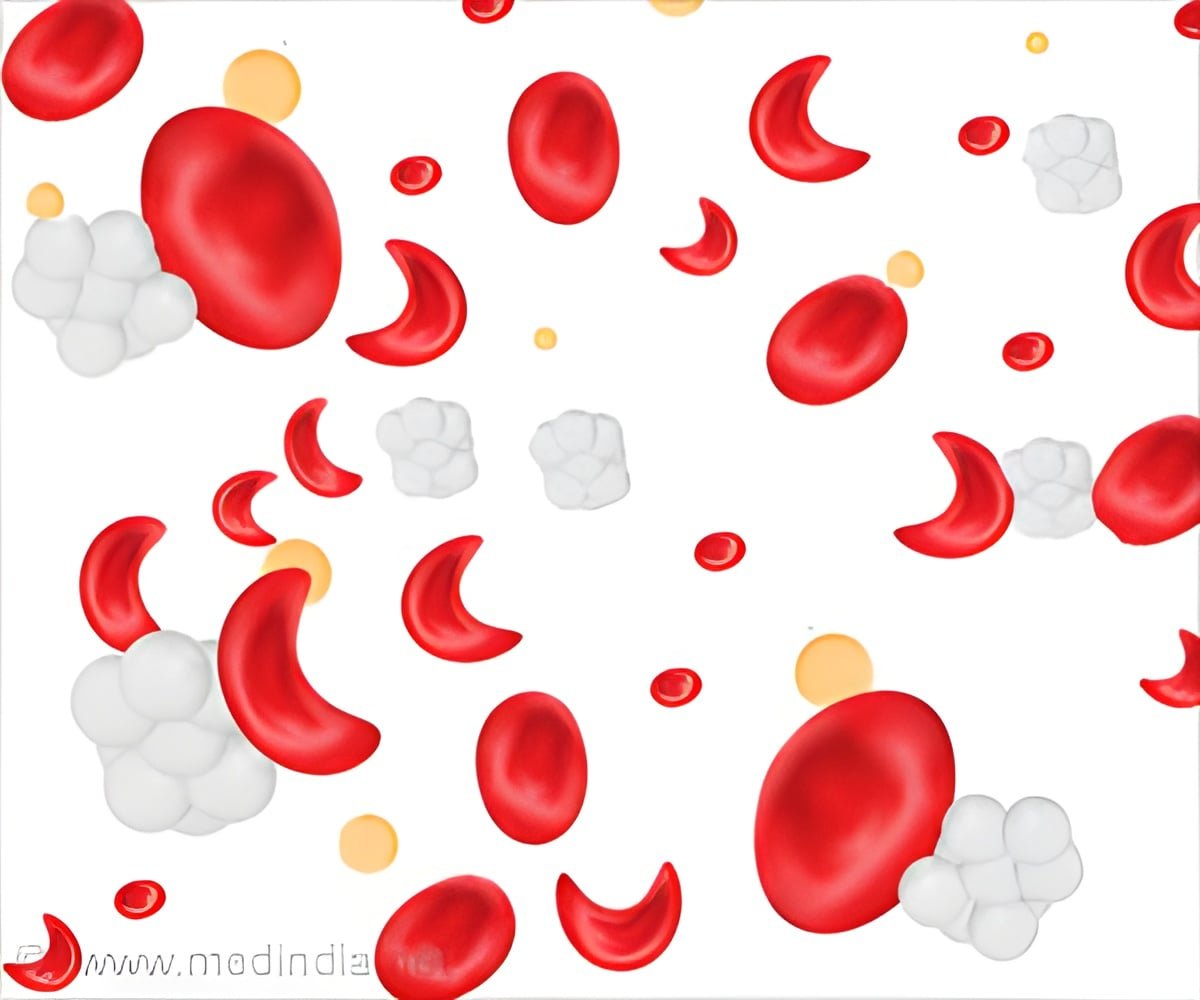
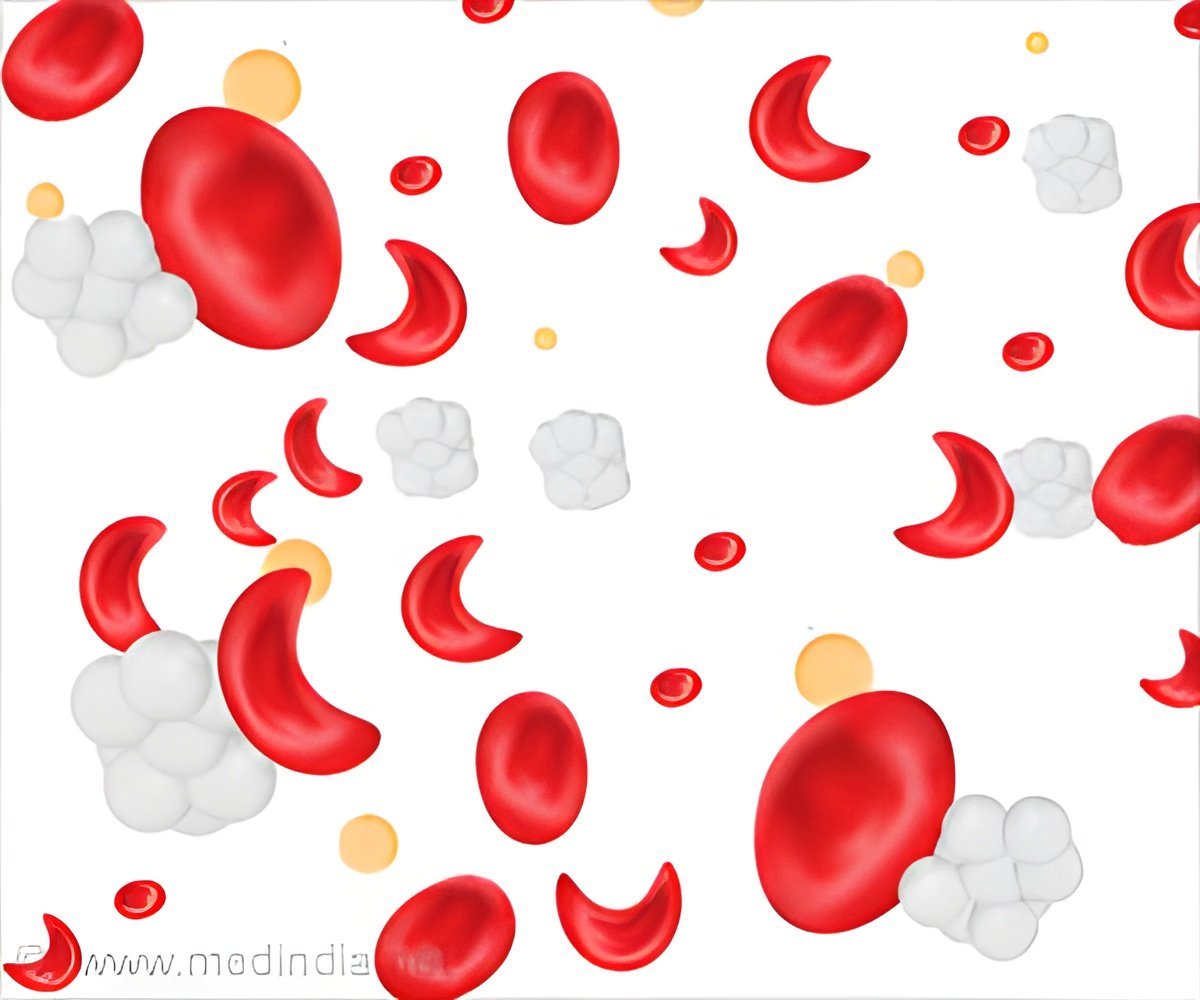
Thalassemia is an inherited blood disorder in which the body cannot produce enough healthy hemoglobin, the protein in red blood cells that carries oxygen throughout the body. Severe forms, including thalassemia major, can cause significant anemia and often require patients to receive regular blood transfusions. ()
For eligible patients, a hematopoietic stem cell transplant (HSCT) can offer a potentially curative treatment. However, finding a suitable donor and accessing transplantation can be challenging, particularly for families facing financial and logistical barriers. ()
India continues to face a significant burden of thalassemia. Government sources have estimated that around 10,000–15,000 children with thalassemia major are born in India each year. ()
Advertisement
Som’s Search for a Matching Donor
Som Yadav was only five months old when he was diagnosed with thalassemia major. His younger sister, Saumya, was later diagnosed with the same condition.
Neither child had a full HLA match within the family, leaving them dependent on regular blood transfusions. For the financially vulnerable family living in a small village, arranging blood and medicines every month became a constant struggle.
Then, in 2021, another sibling, Khushi, was born. The family later received free HLA typing from DKMS Foundation India at a camp organized by Narayana Health and KASH Foundation. DKMS’s thalassemia programme provides free HLA typing for eligible transfusion-dependent children and their potential family donors, including siblings and parents. ()
The result brought unexpected hope: Khushi was a perfect 12/12 HLA match for her brother Som.
Advertisement
How Did Khushi Become Her Brother’s Stem Cell Donor?
HLA, or human leukocyte antigen, characteristics are important in determining whether a donor and patient are compatible for a blood stem cell transplant. Because HLA characteristics are inherited, siblings can have the highest chance of being a family match. ()
In Som’s case, Khushi was identified as a suitable match. In 2023, when she was just two years old, she donated her blood stem cells to her brother. Blood stem cell donation can involve collecting stem cells from the bloodstream through a process called peripheral blood stem cell donation (PBSC). The donor’s blood is passed through a machine that separates the stem cells, while the remaining blood components are returned to the donor. ()
Today, Som is healthy, attends school and is living a normal life. Khushi was too young to understand the significance of what she had given her brother. Yet her donation became a defining part of their family’s journey through thalassemia.
Why Is HLA Matching Important?
For patients who may benefit from a blood stem cell transplant, finding a suitable HLA-matched donor is one of the most important steps. If a matching sibling is not available, the search can continue through unrelated donor registries. DKMS says only approximately 30% of patients find a matching donor within their family, making unrelated donor registries important for those without a suitable family match. ()
Why Blood Stem Cell Donation Matters
A blood stem cell transplant can provide a potentially curative treatment for eligible patients with thalassemia major. India’s National Health Mission guidelines describe hematopoietic stem cell transplantation as the curative therapy for thalassemia major, while noting that outcomes depend on several patient and transplant factors. ()
For many families, however, the challenge begins with finding a compatible donor. DKMS Foundation India’s Thalassemia Program provides free HLA typing for eligible transfusion-dependent thalassemia children under 12 and supports searches for unrelated donors when no suitable family match is found. ()
What Does Blood Stem Cell Donation Involve?
Potential donors first undergo HLA typing, usually using a cheek-swab sample. If they are identified as a potential match, additional medical tests are performed to confirm whether they are suitable to donate. ()
For PBSC donation, donors generally receive medication before collection to increase the number of blood-forming stem cells circulating in the bloodstream. The cells are then collected through apheresis. In some circumstances, stem cells may instead be collected directly from the bone marrow under medical supervision. The donated stem cells are subsequently infused into the patient, where they can help rebuild the blood-forming system.
A Different Meaning of Raksha Bandhan
Raksha Bandhan traditionally celebrates a brother’s promise to protect his sister. Som and Khushi’s story turns that familiar idea around. Khushi, at only two years old, became the person who helped give her older brother a chance at a life beyond regular transfusions.
Their journey shows that siblinghood is not defined by age or by who protects whom. Sometimes, protection can mean giving someone hope when they need it most. This Raksha Bandhan, the story of Som and Khushi serves as a reminder of the importance of HLA matching, blood stem cell donation and greater awareness about donor registration for patients living with serious blood disorders.
References:
- Thalassemia and regular blood transfusions – (https://www.pib.gov.in/PressReleseDetailm.aspx?PRID=1841433&lang=2®=48)
- Guidelines on Hemoglobinopathies in India – (https://nhm.gov.in/images/pdf/programmes/RBSK/Resource_Documents/Guidelines_on_Hemoglobinopathies_in%20India.pdf)
- Thalassemia burden in India – (https://www.pib.gov.in/PressReleasePage.aspx?PRID=1646731&lang=2®=48)
- Thalassemia Program India – (https://www.dkms-india.org/learn-more/access-to-transplantation/dkms-thalassemia-program-india)
- Matching Donor and HLA Matching – (https://www.dkms-india.org/faq/matching-donor)
- Become a Blood Stem Cell Donor – (https://www.dkms-india.org/get-involved/become-a-donor?pk_campaign=Aisha&pk_medium=cpc&pk_source=fb+-+Aisha)
- Donor Search and Match – (https://www.dkms-india.org/learn-more/blood-cancer/donor-search-and-match)
- Hematopoietic Stem Cell Transplantation Guidelines – (https://nhm.gov.in/images/pdf/programmes/RBSK/Resource_Documents/Guidelines_on_Hemoglobinopathies_in%20India.pdf)
- Access to Transplantation Program – (https://www.dkms-india.org/learn-more/access-to-transplantation)
- Blood Stem Cell Donation Process – (https://www.dkms-india.org/get-involved/become-a-donor?pk_campaign=Aisha&pk_medium=cpc&pk_source=fb+-+Aisha)
Source-Medindia