

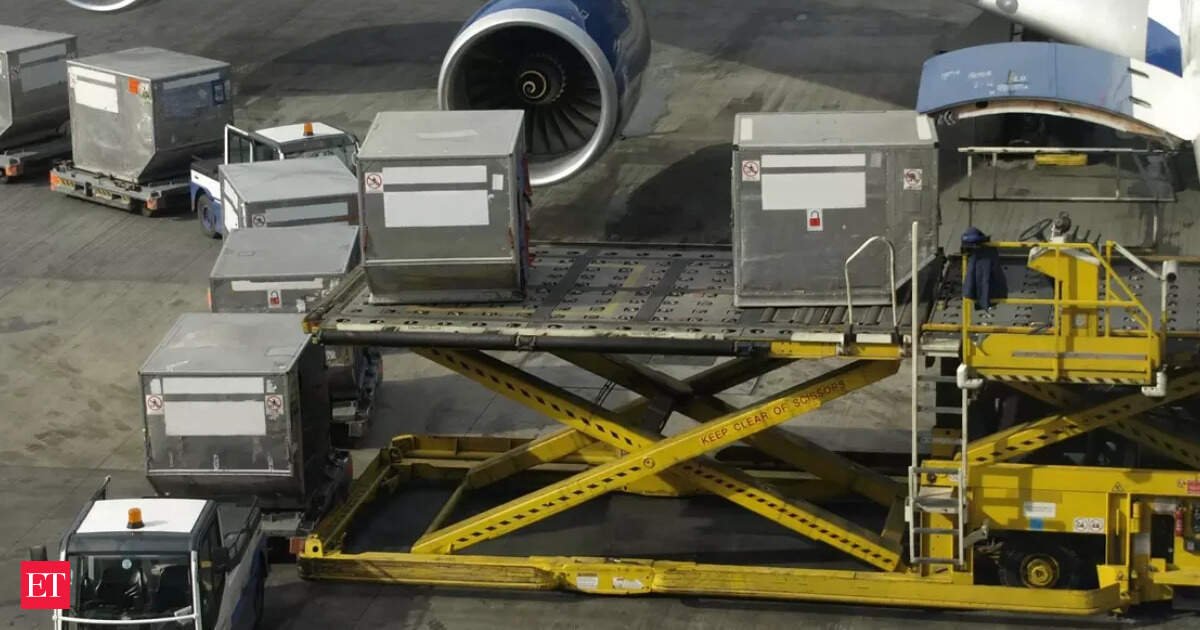
Air freight rates have surged since the U.S.-Israeli war on Iran began at the end of February, as higher fuel costs and disrupted sea shipments squeeze capacity.
“A good chunk of the product used to come by sea and a smaller chunk by air. A lot of it has moved by air because the Strait of Hormuz is closed,” V. S. Hariharan, managing director and group CEO, told Reuters on Thursday.
Redington serves customers across more than 40 markets including the United Arab Emirates and Saudi Arabia, but does not disclose country-specific revenue. The “rest of the world” segment, covering markets outside India, Singapore and South Asia, contributes nearly half its revenue.
It has also had to redistribute inventory across warehouses to limit potential damage from the war and arrange alternative insurance coverage after insurers withdrew war-risk coverage.

The increase in insurance and freight costs is roughly 0.20% of revenue, Hariharan said, adding Redington is passing on most of the added costs to customers.
Redington is also reworking its logistics network as disruptions around the Strait of Hormuz force it to route supplies via Saudi Arabia and Oman and rely more on road transport within the region.”(For Apple), we picked up product from the Netherlands, brought it in by air and then we have distributed by road. The road seems safer,” Hariharan said. Apple accounts for roughly a third of Redington’s revenue.
Redington also counts Dell, Samsung, Lenovo and HP among its vendors.
Though demand in the UAE and Saudi Arabia is down due to supply constraints and more cautious spending, Redington expects revenue to increase 10% to 15% in fiscal 2027, with profit growth broadly tracking topline gain.