

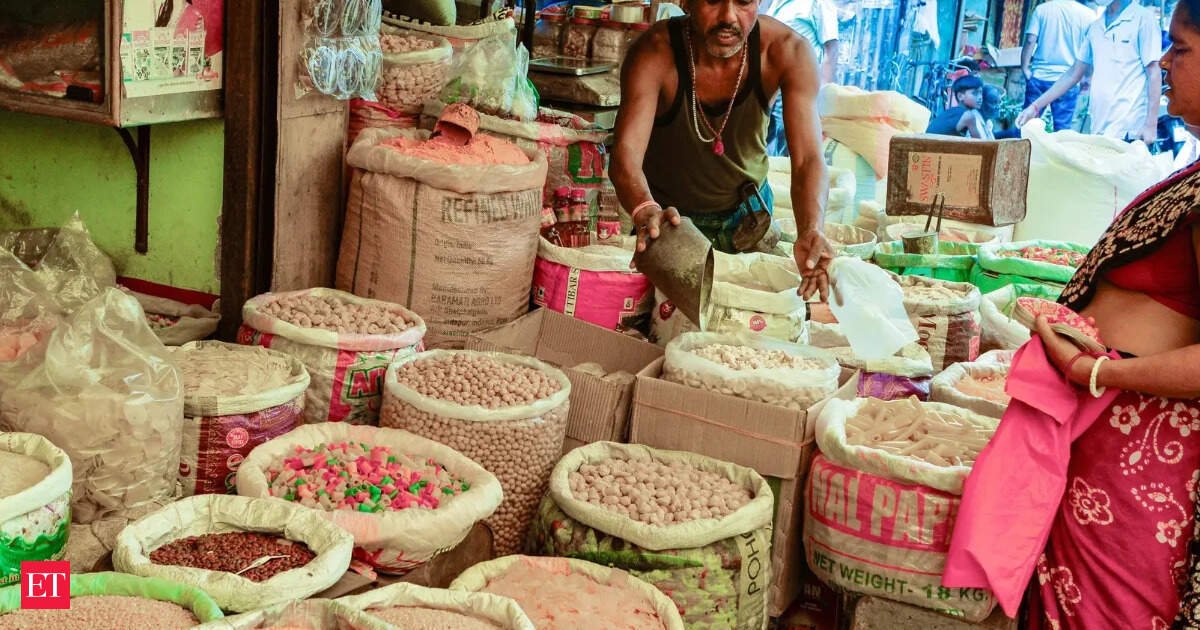
“We don’t have to dispose it of now. If there is an El Nino effect and it impacts kharif sowing, this buffer stock of pulses will be used,” Consumer Affairs Secretary Nidhi Khare told PTI on the sidelines of a FICCI event.
The current buffer stock of pulses is more than double the 18 lakh tonnes held in May 2025, and significantly higher than the 21 lakh tonnes recorded in May 2024, according to government data.
Also Read: El Niño needs monitoring, but India better prepared than earlier: Bayer’s Simon Wiebusch
The sharp build-up has been driven by the Centre’s assured procurement policy, which was introduced to encourage domestic production, reduce import dependence, and shield consumers from price volatility.

The official allayed concerns over storage and disposal, noting that pulses are non-perishable and can be safely stored for two to three years.
Also Read: Government’s wheat procurement surges 17pc to 35 million tonnes, exceeds target for 2026-27 season
The India Meteorological Department has forecast a below-normal southwest monsoon (June-September) and flagged the likelihood of El Nino developing in the coming months. The agriculture ministry has already begun drawing up contingency plans to mitigate the phenomenon’s impact on kharif (summer) crops.