

5 min readJaipurUpdated: Aug 14, 2026 01:10 AM IST
The Rajasthan Cabinet Thursday approved the draft Uniform Civil Code (UCC) Bill — the fifth state to do so. The Bill, aimed at regulating marriage, divorce, succession, and live-in relationships, is one of two that the Cabinet cleared for introduction in the upcoming Assembly session.
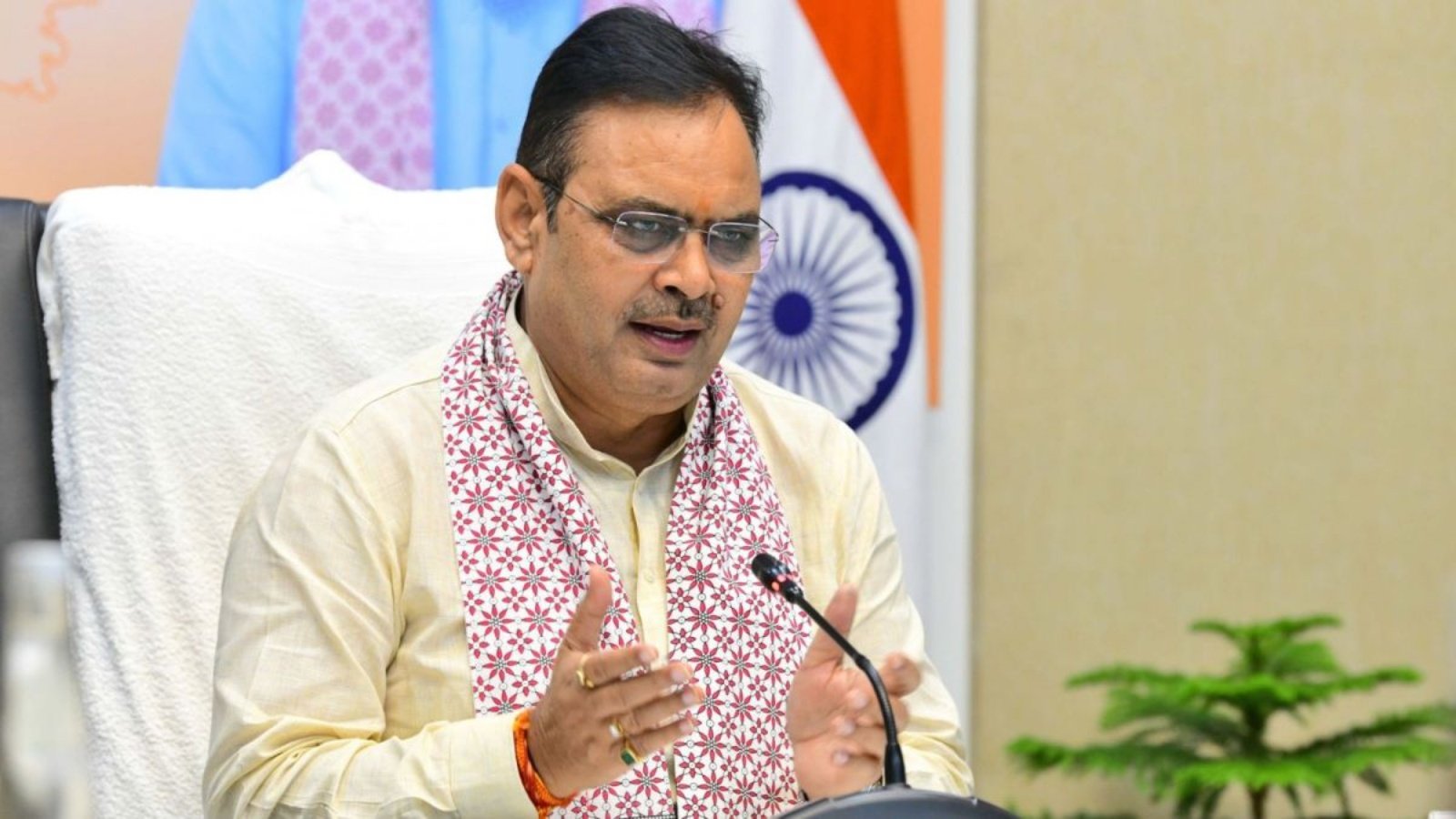
Deputy Chief Minister Prem Chand Bairwa announced the decision after the Cabinet meeting, chaired by Chief Minister Bhajan Lal Sharma. The Cabinet also cleared the Bill for the protection of 29 trees, including Khejri, the revered state tree.

Parliamentary Affairs Minister, Jogaram Patel, said that under the proposed UCC law, it will be mandatory to register marriages within 60 days.
“The Bill’s primary objective is to provide uniform, transparent, and systematic governance of laws related to marriage, divorce, inheritance, maintenance, and live-in relationships in the state,” he said, “The Bill’s provisions will not apply to Scheduled Tribes, while classes with traditional rights protected under the Constitution are also excluded.”
He said that the draft was prepared based on the recommendations of an expert committee headed by retired Supreme Court Justice Ranjana Prakash Desai. Its provisions make marriage registration mandatory and prohibit polygamy.
While all religions and communities will have complete freedom to solemnise marriages according to their own customs, registration would be mandatory. A provision has also been made for written notice or registration of the beginning and end of live-in relationships, “which will protect the rights of both parties”.
Patel said that the Registrar must issue a certificate within 15 days of receiving the memorandum for registration of marriage or divorce, or reject the application in writing. If the Registrar rejects the application, an appeal may be filed within 30 days before the Registrar General, which must be resolved within 60 days.
Story continues below this ad
A marriage will not be considered invalid merely because of a failure or delay in registration. However, failure to register will result in a fine of up to Rs 10,000, and failure to register even after receiving a notice will result in a fine of up to Rs 25,000. The Registrar General can also impose a fine of up to Rs 25,000 on any Registrar who “deliberately delays or neglects the registration process”.
Patel said that the Bill establishes a clear judicial process for resolving disputes arising after marriage. “Clear provisions have been made for the court to declare a marriage void based on reasons including violation of the Code, forced or fraudulent consent, or impotence,” he said.
Additionally, sons and daughters have been granted equal inheritance rights. If a person dies without a will, their property will be transferred according to a prescribed priority order.
Three categories have been established for this purpose. The first category includes the surviving husband or wife, surviving children, the spouses and children of deceased children, and parents. The second category includes step-parents, siblings, the spouses and children of deceased siblings, the siblings of parents, and paternal and maternal grandparents.
Story continues below this ad
The third category includes relatives other than the first two. However, if no legal heir is found, the property will pass on to the government, which will also be subject to all liabilities and obligations associated with the property.
An unborn child in the womb will also have full legal inheritance rights, Patel said.
Earlier, the Congress had boycotted the UCC hearings, with state president Govind Singh Dotasra saying that it was an attempt to divert attention from more pressing issues.
“Currently, the state’s medical system is in a shambles. The public is neither receiving timely treatment nor access to essential medicines. Extremely unfortunate incidents, such as the deaths of pregnant women in government hospitals due to counterfeit medicines, have occurred. Beneficiaries are not receiving the benefits of the Rajasthan Government Health Scheme (RGHS). Inflation is at its peak, the state’s youth are searching for jobs, unemployment is steadily rising, and the youth are suffering from serious problems like paper leaks.”
Story continues below this ad
The second Bill cleared Thursday was the Rajasthan Trees (Protection) Bill, 2026. At the briefing, Patel said the Bill will significantly promote the conservation and preservation of 29 important tree species, including the state tree Khejri, as well as the state flower Rohida, Banyan, Peepal, Lasora, Tendu, Mahua, Kair, and Chironji.
The Bill proposes imprisonment for one year, a fine of Rs 1 lakh, or both, for the illegal felling of trees on non-forest land.
Patel said that given the special importance of these trees in rural and tribal life, the Bill makes such crimes cognisable and bailable to control the felling of trees on non-forest land and establish accountability.