

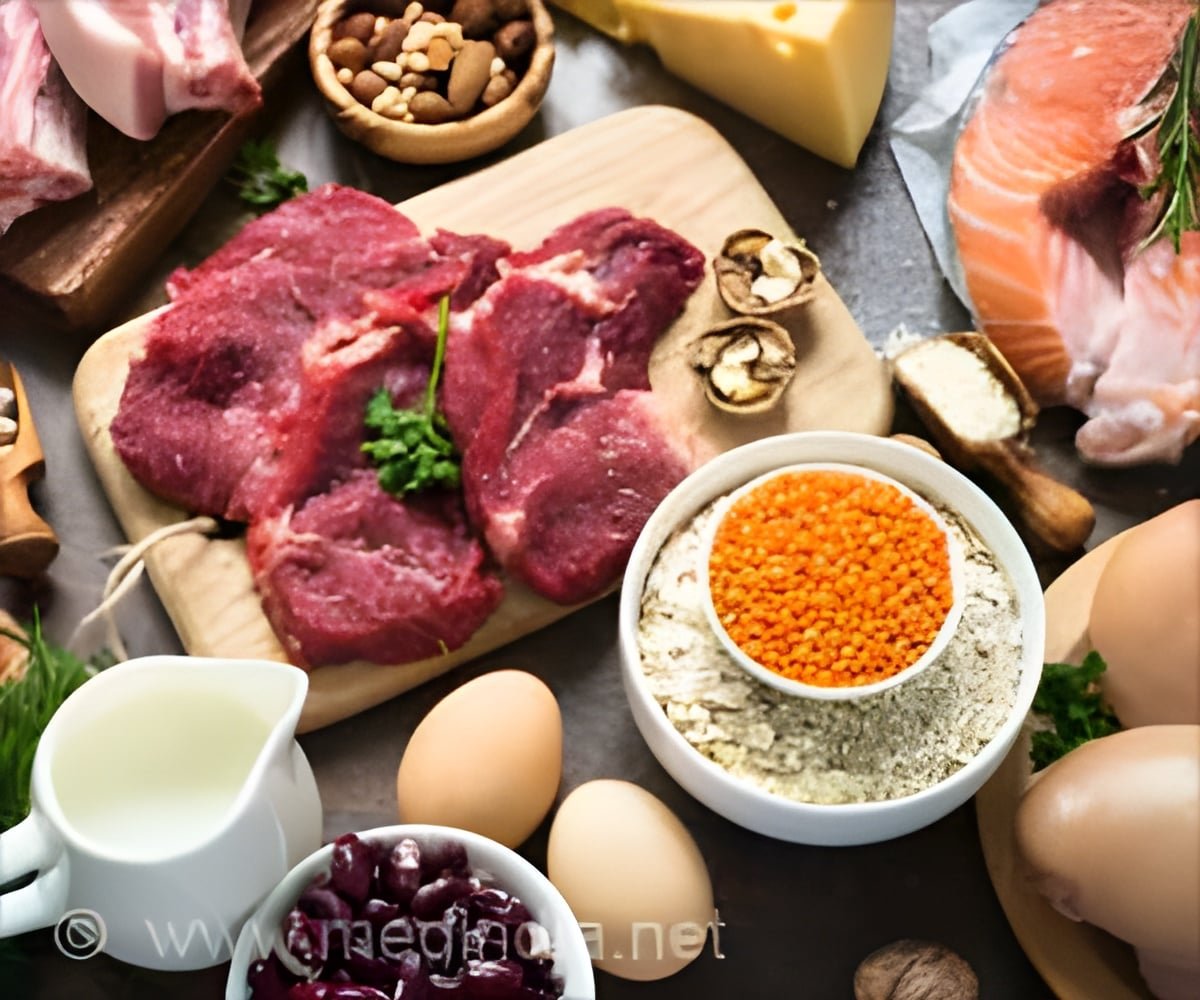
A review of 350+ studies found that eating less protein may support healthy aging, though older adults and other groups often need more protein.

- A review of 350+ studies links protein restriction with healthier aging and better metabolism
- Benefits may come from improving cellular repair, reducing stress, and slowing aging pathways
- Older adults, athletes, and pregnant or breastfeeding women generally need more—not less—protein
Protein-enriched foods are becoming increasingly popular, but new research suggests that eating less protein—rather than more—may help improve metabolic health and support healthy aging in some adults.
Researchers say the benefits depend on age, health status, and physical activity, highlighting the need for personalized protein recommendations.
A new review published in Cell Press Blue found that reducing total protein or specific amino acids may slow biological aging by improving metabolism, reducing cellular stress, and preserving healthy cell function (1✔ ✔Trusted Source
The hallmarks of protein and amino acid restriction in aging and longevity
However, the authors caution that protein restriction is not suitable for everyone, especially older adults and people with higher protein needs.
Advertisement
Can Eating Less Protein Help You Age Better?
Researchers reviewed more than 350 scientific studies examining how protein and amino acid restriction affect aging and longevity. The review found that reducing protein intake may improve metabolic health and extend lifespan by influencing several biological pathways involved in aging.
Key findings from the review include:
- Reviewed more than 350 scientific studies on protein restriction and aging.
- Lower protein intake may improve metabolic health.
- Protein restriction may help slow biological aging.
- It may reduce cellular damage and improve stress resistance.
- Healthy cell function may be preserved for longer.
- Benefits have been reported in animal studies and are beginning to emerge in human research.
- The effects appear to depend on which amino acids are restricted, not just total protein intake.
- Researchers emphasize that protein recommendations should be personalized based on age, health, and physical activity, rather than applying the same advice to everyone.
Before deciding whether eating less protein is beneficial, it’s important to understand how protein restriction may influence the body’s aging process.
Advertisement
How Does Protein Restriction Influence Healthy Aging?
According to the review, protein restriction may promote healthy aging by influencing several biological pathways involved in metabolism, cellular repair, and stress response. These changes may help improve metabolic health and slow age-related decline.
The key biological changes associated with protein restriction are summarized below.
Advertisement
Key Biological Changes Triggered by Protein Restriction
|
Biological Process |
How It Supports Healthy Aging |
|
Improves metabolic regulation |
Helps maintain healthy blood sugar and energy balance |
|
Increases FGF21 levels |
Boosts energy expenditure and improves metabolism |
|
Reduces mTOR activity |
Slows cellular growth pathways linked to aging |
|
Activates the GCN2 pathway |
Helps cells adapt to lower amino acid intake |
|
Enhances autophagy |
Removes damaged proteins and worn-out cell components |
|
Improves mitochondrial function |
Supports healthy energy production in cells |
|
Reduces cellular senescence |
May delay tissue aging and cell damage |
|
Triggers epigenetic changes |
Influences genes involved in longevity and healthy aging |
Which Proteins and Amino Acids May Play the Biggest Role?
The review suggests that the quality of protein may be just as important as the amount consumed. Researchers identified several amino acids that appear to influence longevity-related pathways when consumed in excess.
Among the amino acids discussed, the strongest evidence involves:
- Methionine, which has consistently been linked to lifespan extension when restricted in animal studies.
- Isoleucine, which may influence metabolism and healthy aging.
- Valine, another branched-chain amino acid associated with nutrient-sensing pathways.
- Branched-chain amino acids (BCAAs), which may activate growth-related pathways when consumed in excess.
- Essential amino acids, which regulate several cellular signaling mechanisms involved in aging.
The review also highlights fibroblast growth factor 21 (FGF21) as one of the key hormones activated during protein restriction. Higher FGF21 levels have been linked to improved glucose regulation, increased energy expenditure, and reduced inflammation, making it one of the most promising mechanisms connecting protein restriction with healthy aging.
Who Actually Needs More Protein?
While protein restriction may benefit some sedentary adults, not everyone should reduce protein intake (2✔ ✔Trusted Source
How Much Protein Per Day? Needs by Age and Activity
).
Daily protein requirements vary depending on age, physical activity, pregnancy, and overall health. Most healthy adults already meet their basic protein needs through a balanced diet.
The groups below generally have higher protein requirements than sedentary adults.
Recommended Protein Intake Across Different Life Stages
|
Group |
Recommended Protein Intake |
|
Healthy sedentary adults |
0.8 g/kg/day (minimum) |
|
General healthy adults |
1.2–1.6 g/kg/day |
|
Adults over 65 years |
1.0–1.2 g/kg/day |
|
Endurance athletes |
1.4–1.8 g/kg/day |
|
Strength-trained athletes |
1.6–2.2 g/kg/day |
|
Weight loss with exercise |
1.6–2.4 g/kg/day |
|
Pregnancy (third trimester) |
~28–31 g/day extra |
|
Breastfeeding (first 6 months) |
~19 g/day extra |
Do Older Adults Benefit from More Protein?
Older adults are an important exception to protein restriction.
According to an npj Aging review, higher protein intake is linked to better muscle strength, improved physical function, lower frailty, fewer falls, and reduced mortality in adults aged 65 years and older (3✔ ✔Trusted Source
Protein intake and its interaction with dietary patterns on clinical outcomes among older adults
The review suggests that many older adults may benefit from consuming 1.0–1.2 g/kg/day of protein, especially when combined with regular physical activity.
Aging muscles become less responsive to protein, meaning older adults often require 30–45 g of protein per meal to effectively stimulate muscle repair.
Together, these findings suggest that protein restriction may not be appropriate for many older adults, particularly those at risk of muscle loss or frailty.
Are Protein-Fortified Foods Really Necessary?
Protein-enriched cereals, snacks, drinks, and desserts are becoming increasingly common, but they may not be necessary for most people.
According to a registered dietitian at the University of Utah Health, protein is important, but most healthy adults already consume enough through a balanced diet. She advises focusing on overall diet quality rather than trying to reach a specific protein number through processed products (4✔ ✔Trusted Source
Protein Foods Are Everywhere Right Now-Do You Actually Need More Protein?
Before buying protein-fortified foods, experts recommend asking:
- Do I actually need extra protein?
- Will this food keep me full for longer?
- Is it worth the extra cost?
- Could I choose a natural protein-rich food instead?
Whole-fruit protein sources recommended by the University of Utah Health include:
- Greek yogurt
- Eggs
- Chicken and fish
- Beans and lentils
- Edamame
- Tofu and tempeh
- Cottage cheese
- Nuts and seeds
Should You Cut Back on Protein Without Medical Advice?
Current evidence suggests that the answer depends on who you are.
Reducing protein intake may promote healthy aging and improve metabolic health in some sedentary adults, but more human studies are needed before broad recommendations can be made.
At the same time, evidence shows that older adults, athletes, pregnant women, breastfeeding women, and people recovering from illness often have higher protein requirements than the general population.
Overall, experts recommend personalizing protein intake based on age, activity level, health conditions, and nutritional needs instead of following a one-size-fits-all approach.
Frequently Asked Questions
Q: Does eating less protein help you live longer?
A: Research suggests protein restriction may support healthy aging in some adults, but more human studies are needed before firm recommendations can be made.
Q: Should everyone reduce protein intake?
A: No. Protein needs vary with age, physical activity, pregnancy, breastfeeding, and health conditions.
Q: Who should not follow a low-protein diet?
A: Older adults, athletes, pregnant and breastfeeding women, and people recovering from illness generally require higher protein intake.
Q: Why might protein restriction slow aging?
A: Researchers believe it may improve metabolism, reduce cellular stress, promote autophagy, and influence biological pathways linked to longevity.
Q: Are protein-fortified foods necessary?
A: Most healthy adults can meet their protein needs through a balanced diet without relying on protein-enriched foods.
Q: What are good natural sources of protein?
A: Greek yogurt, eggs, fish, chicken, beans, lentils, tofu, edamame, cottage cheese, nuts, and seeds are all excellent protein sources.
References:
- The hallmarks of protein and amino acid restriction in aging and longevity – (https://www.cell.com/cell-press-blue/fulltext/S3051-3839(26)00077-0)
- How Much Protein Per Day? Needs by Age and Activity – (https://scienceinsights.org/how-much-protein-per-day-needs-by-age-and-activity/)
- Protein intake and its interaction with dietary patterns on clinical outcomes among older adults – (https://www.nature.com/articles/s41514-026-00368-8)
- Protein Foods Are Everywhere Right Now-Do You Actually Need More Protein? – (https://healthcare.utah.edu/healthfeed/2026/07/protein-foods-are-everywhere-right-now-do-you-actually-need-more-protein)
Source-Medindia