

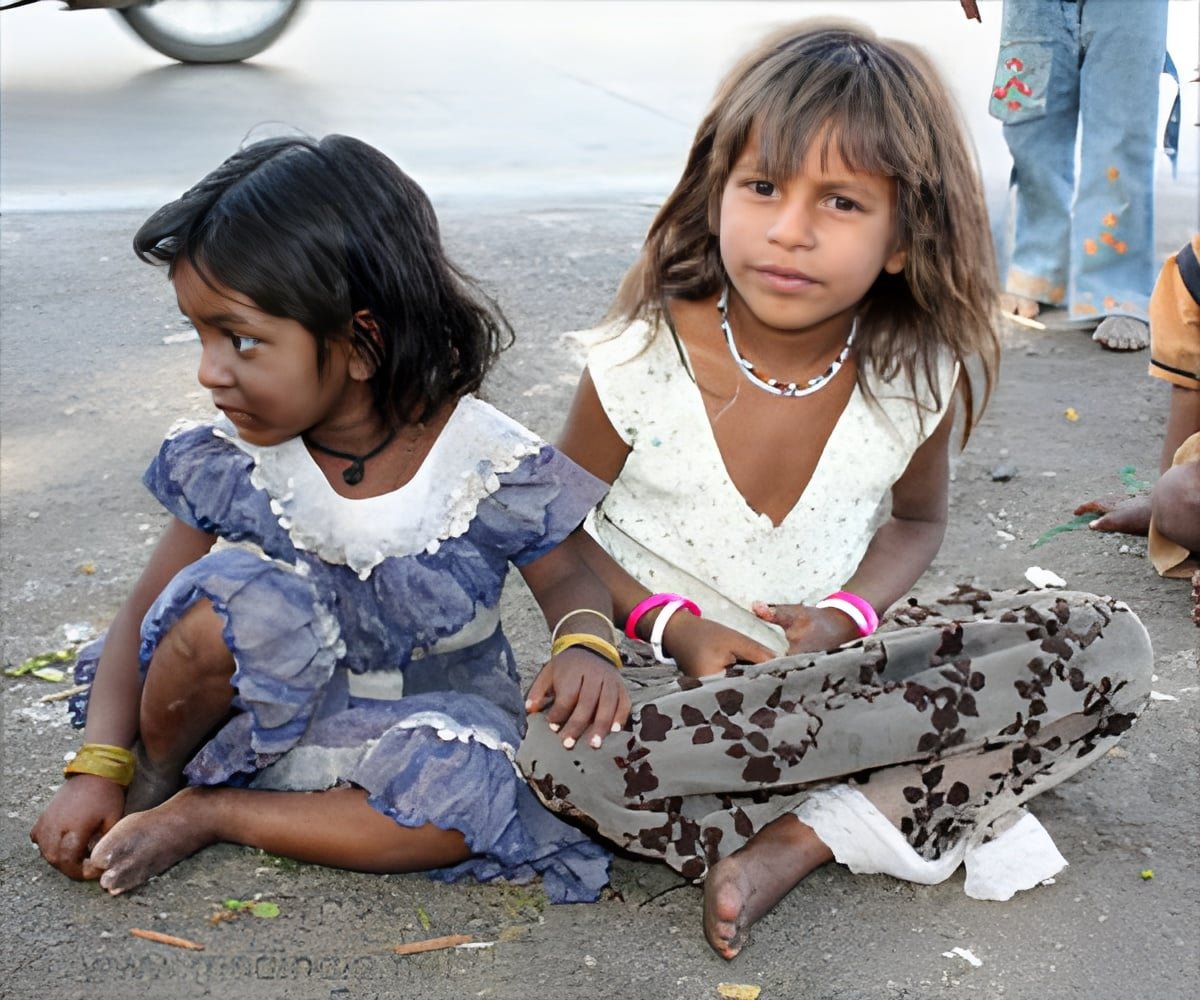
India has reduced child stunting and improved maternal and child nutrition over the past decade, but malnutrition, obesity, and poor diet quality remain major public health challenges. Learn what the latest nutrition reports reveal.
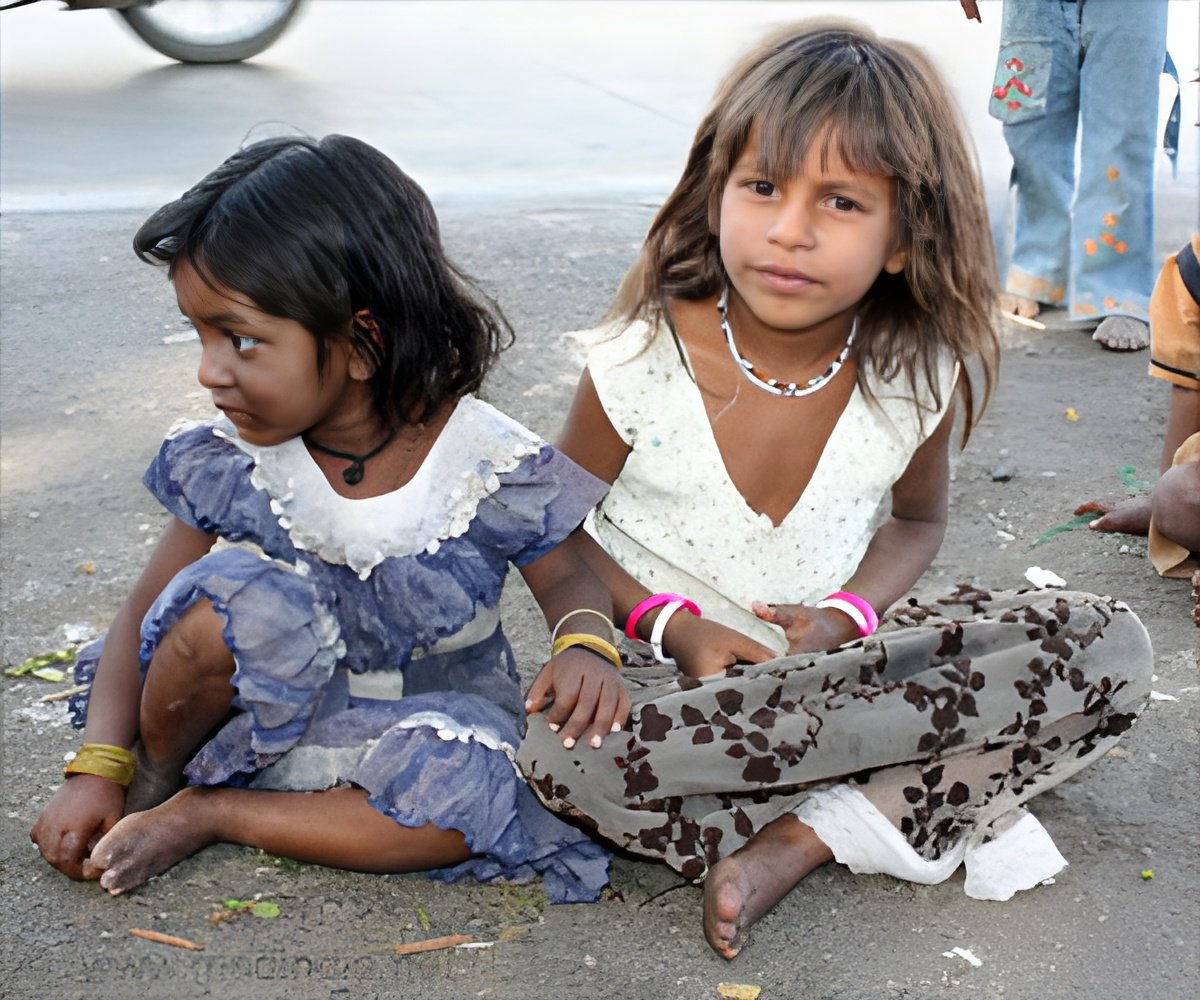
- Child stunting has declined in India, reflecting progress in maternal and child health programmes
- Poor diet quality, rising obesity, and lifestyle-related diseases are emerging as major public health concerns
- Experts say India’s next challenge is shifting from food security to nutrition security
India has made encouraging progress in improving maternal and
India’s Nutrition Report Card: Progress Amid Persistent Challenges
).
According to findings from the National Family Health Survey (NFHS-6) and the Global Nutrition Report 2026, fewer children are experiencing chronic undernutrition than before. Improvements in maternal healthcare, immunisation, sanitation, institutional deliveries, and nutrition programmes have contributed to these gains.
One of the most significant improvements has been a reduction in child stunting, an indicator of long-term undernutrition that affects physical growth and
Programmes such as POSHAN Abhiyaan, Mission Poshan 2.0, Ayushman Bharat, and the Swachh Bharat Mission have helped improve health and nutrition outcomes across the country.
Advertisement
Where Is India Still Struggling?
Despite this progress, malnutrition remains a major public health challenge.
Nearly one in three Indian children continues to experience stunted growth, while wasting and underweight remain common in many parts of the country. These conditions increase the risk of infections, delayed development, and poor long-term health.
Experts say these problems are driven by several factors, including:
- Poverty
Food insecurity - Poor maternal nutrition
- Inadequate sanitation
- Unequal access to healthcare
- Social and regional inequalities
These findings show that improving healthcare alone is not enough to eliminate undernutrition.
Advertisement
Why Calories Alone Are No Longer Enough
India’s nutrition challenge is no longer simply about ensuring people have enough food. It is increasingly about ensuring they eat healthy,
The latest survey found that only about 15% of children aged 6-23 months receive a minimum acceptable diet, meaning many young children are not getting enough variety or nutrient-rich foods during a critical stage of growth.
A diet that fills the stomach but lacks essential nutrients can affect:
- Brain development
- Immunity
- Growth
- Learning ability
- Future productivity
This is why experts are calling for a shift from food security to nutrition security.
|
Food Security |
Nutrition Security |
|
Enough food to prevent hunger |
Access to balanced, nutritious diets |
|
Focus on calories |
Focus on nutrients and diet quality |
|
Mainly staple grains |
Includes fruits, vegetables, pulses, dairy, eggs, and other healthy foods |
|
Prevents hunger |
Supports lifelong health and development |
Advertisement
India’s New Nutrition Challenge: Undernutrition and Obesity Together
India is now facing what experts call the double burden of malnutrition. This means the country is dealing with two nutrition problems at the same time:
- Persistent undernutrition in many children.
- Rising overweight, obesity, and diet-related diseases in adolescents and adults.
Urbanisation, increasingly sedentary lifestyles, and greater consumption of highly processed foods have contributed to rising rates of obesity, diabetes, and high blood pressure.
|
Undernutrition |
Overnutrition |
|
Stunting |
Overweight |
|
Wasting |
Obesity |
|
Underweight |
Type 2 diabetes |
|
Micronutrient deficiencies |
High blood pressure |
This coexistence places additional strain on families, healthcare services, and the economy.
Why Healthy Diets Remain Out of Reach for Many Families
Although food availability has improved, healthy diets remain difficult for many households to afford.
Many families continue to rely heavily on cereal-based diets while consuming fewer fruits, vegetables, pulses, dairy products, eggs, and other protein-rich foods.
The Global Nutrition Report 2026 notes that healthy diets remain unaffordable for billions of people worldwide, making diet quality an important public health priority.
Experts believe improving nutrition will require:
- Greater availability of nutritious foods.
- Better nutrition education.
- Support for healthier eating habits.
- Policies that make healthy foods more affordable.
How Climate Change Could Affect Nutrition
Climate change is becoming an increasingly important factor in food and nutrition security.
Rising temperatures, erratic rainfall, droughts, and extreme weather events can reduce agricultural productivity and increase the prices of nutrient-rich foods such as fruits, vegetables, and pulses.
Poor households are often the most affected because higher food prices limit dietary diversity and increase the risk of malnutrition.
Experts therefore recommend integrating nutrition policies with agriculture, environmental sustainability, and climate resilience.
What Should India Focus on Next?
Public health experts believe the next phase of India’s nutrition strategy should extend beyond preventing hunger.
Key priorities include:
- Promoting balanced diets rich in diverse foods.
- Supporting nutrition-sensitive agriculture.
- Encouraging physical activity.
- Improving food labelling and healthier food environments.
- Strengthening nutrition education.
- Expanding nutrition surveillance and district-level monitoring.
- Addressing inequalities in access to nutritious food and healthcare.
Together, these measures can help improve health across all stages of life.
What This Report Means for Every Indian Family
The latest nutrition reports show that India has made meaningful progress in reducing child undernutrition.
However, the country’s nutrition story is changing.
Today, the challenge is no longer just feeding people enough calories—it is ensuring everyone has access to nutritious, affordable, and diverse diets that support lifelong health.
Maintaining this progress will require continued investment in maternal and child health while addressing rising obesity, improving diet quality, reducing inequalities, and building food systems that can withstand future challenges such as climate change.
Reference:
- India’s Nutrition Report Card: Progress Amid Persistent Challenges – (https://www.orfonline.org/expert-speak/india-s-nutrition-report-card-progress-amid-persistent-challenges)
Source-Medindia