







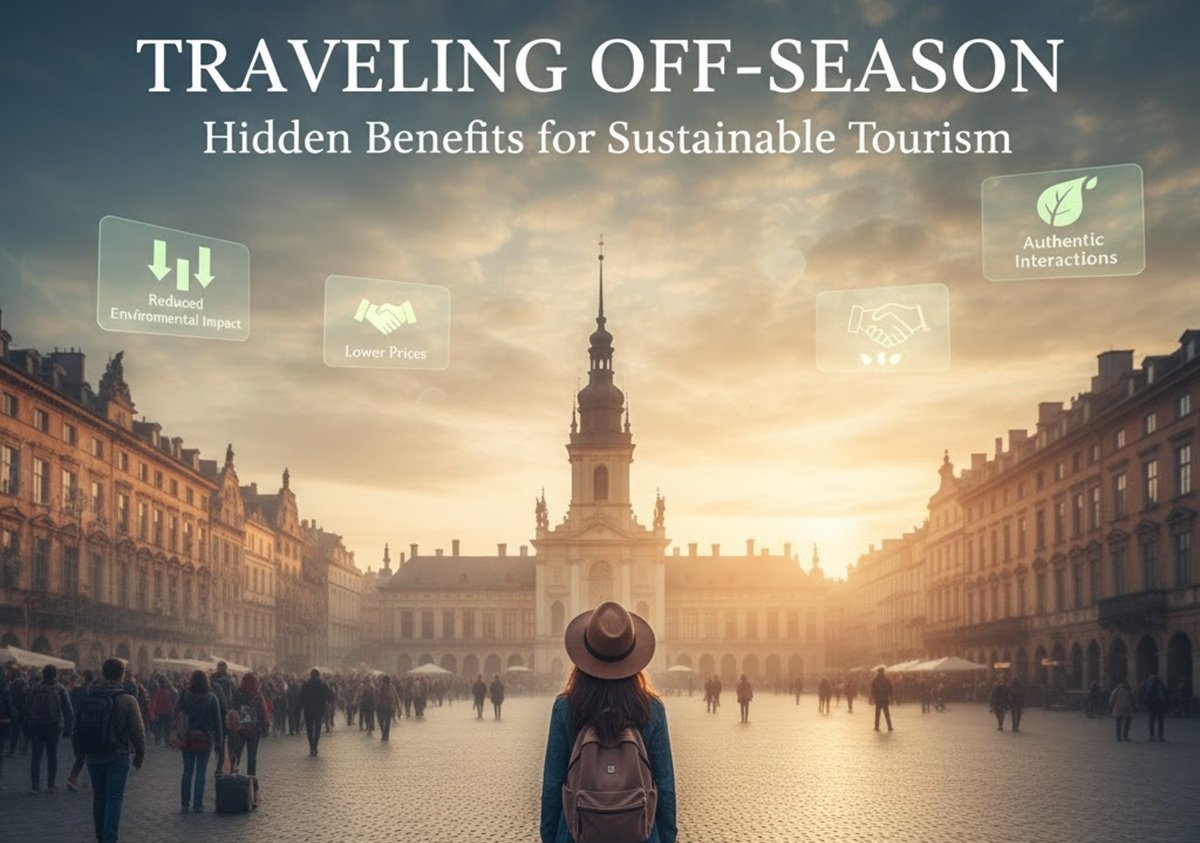
More travelers today are choosing eco-friendly ways to explore the world, and one of the simplest steps is considering off-season travel. Visiting destinations during less-crowded months not only enhances your personal experience but also plays a crucial role in promoting sustainable tourism.
What Is Off-Season Travel?
Off-season travel refers to exploring destinations during months when tourist activity is low. These periods vary depending on the location—some places experience fewer visitors in winter, while others see slow months during rainy seasons. The benefit? You get a more peaceful trip while supporting a healthier tourism balance.
1. Reduced Environmental Impact
Traveling during peak season puts tremendous pressure on natural landscapes, infrastructure, and local resources.
Choosing off-season travel helps reduce:
- Overcrowding in popular spots
- Waste generation
- Stress on transport systems and accommodation providers
A more balanced visitor flow supports long-term environmental conservation.
2. Better Support for Local Communities
In many destinations, local businesses struggle during the slow months. When you choose off-season travel, you help:
- Keep small shops, guides, and restaurants active
- Support stable employment
- Boost local economies during difficult seasons
This makes tourism more sustainable and community-friendly.
3. More Affordable Travel Options
One of the biggest advantages of off-season travel is cost savings. Hotels, flights, and tours often offer discounted rates to attract visitors. You get:
- Cheaper stays
- Flexible booking options
- Lower travel costs overall
This means you can enjoy quality experiences without straining your budget.
4. Authentic and Peaceful Experiences
Peak season crowds can limit your ability to enjoy a destination fully. During off-season travel, you can:
- Explore attractions with fewer people
- Interact more deeply with locals
- Capture better photos without crowd interruptions
The result is a more meaningful and immersive journey.
5. Encourages Better Destination Management
When tourists spread their visits throughout the year, destinations can plan better:
- Improved maintenance of tourist sites
- More sustainable resource allocation
- Reduced risk of overtourism
This creates a long-term balance between visitors and local ecosystems.
Conclusion
Off-season travel is more than just a way to save money—it’s a powerful approach to sustainable tourism. By traveling during quieter months, you enjoy a richer, calmer experience while helping protect communities, the environment, and the future of global travel.


