

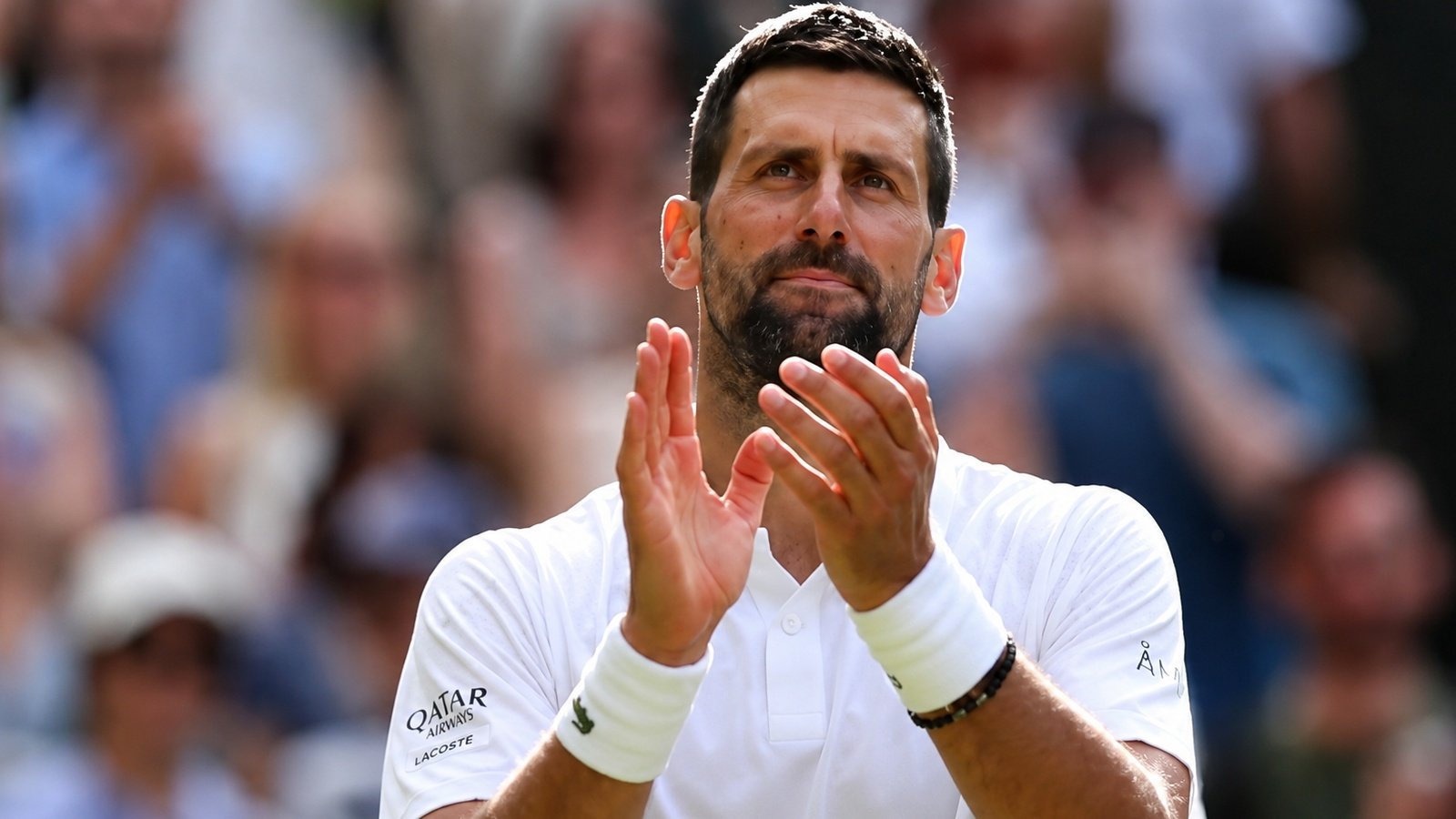
Tennis legend Novak Djokovic may have lost to Jannik Sinner in straight sets in the Wimbledon 2026 semi-final, which ended his 25th Grand Slam title bid, but the internet is still talking about him; or well, his ear. Netizens were quick to spot small clusters of studs on his right ear, which, according to the British Acupuncture Council, are ear seeds meant for recovery, pain support, relaxation, and sleep. To learn more about traditional Chinese wellness practices, we asked experts.
DISCLAIMER: This article is based on information from the public domain and/or the experts we spoke to. Always consult your health practitioner before starting any routine.

Dr Vishal Vikas Nair, ENT specialist at Zen Multispeciality Hospital, said ear seeds are tiny, non-invasive pellets, typically made from the seeds of the Vaccaria plant or small metal or magnetic beads, attached to specific points on the outer ear using adhesive tape. “They are based on the principles of auriculotherapy (ear acupressure), which proposes that different areas of the ear correspond to different parts of the body,” said Dr Nair.
The idea is that applying gentle, continuous pressure may help stimulate these areas and promote a sense of balance and well-being, said Dr Sunil Budhlani, consultant ENT surgeon, KIMS Hospitals, Thane.
From a modern medical standpoint, however, the evidence is limited. “While a few small studies have explored ear acupressure for issues such as pain, anxiety, insomnia, or nausea, the results are inconsistent, and the quality of research varies. At present, there is no strong scientific evidence to support ear seeding as a proven treatment for medical conditions or as a way to enhance athletic performance,” said Dr Budhlani.
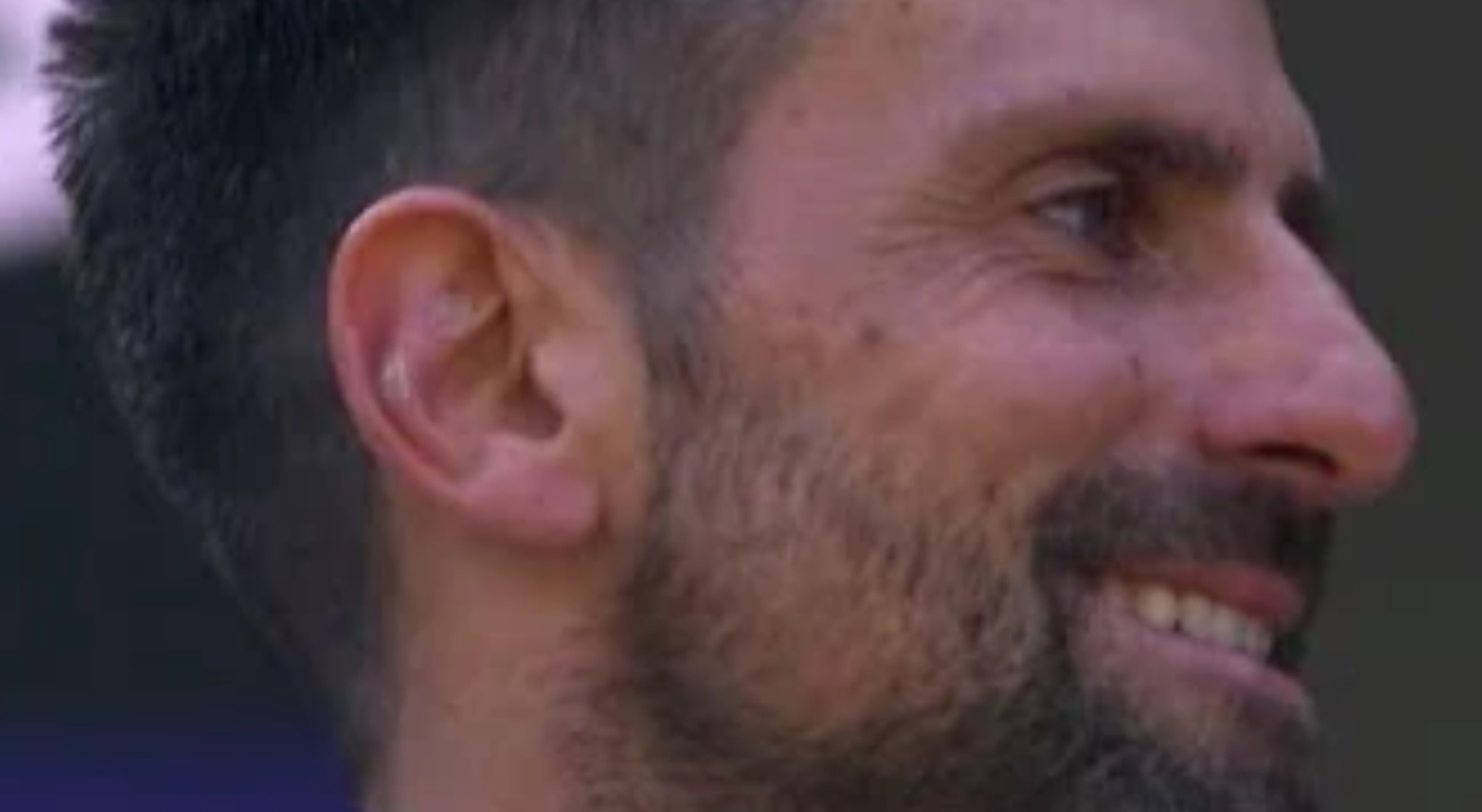 Novak Djokovic was spotted with ar seeds (Photo: Solsticeearseeds.com)
Many elite athletes incorporate various complementary wellness practices into their routines, but that does not necessarily mean those practices have been scientifically proven to improve performance, experts urge.
Based on the current scientific evidence, there is no robust proof that ear seeding improves focus, reduces stress in a clinically meaningful way, or enhances athletic performance. “If someone feels it helps them relax or feel mentally prepared, that may reflect an individual or placebo effect rather than a direct physiological benefit,” said Dr Budhlani.
Story continues below this ad
What to consider
Dr Nair noted that ear seeds should never be applied over infected, injured, or eczematous skin. “If redness, swelling, pain, itching, or discharge develops after application, they should be removed immediately, and medical advice should be sought. Individuals with chronic ear diseases, recent ear surgery, or known adhesive allergies should consult a healthcare professional before using this therapy,” said Dr Nair.
Experts urge that ear seeding is best regarded as a complementary wellness practice rather than a substitute for evidence-based medical care.
The fundamentals of sports performance remain consistent. “Structured training, adequate sleep, good nutrition, recovery, and psychological preparation have far stronger scientific evidence behind them. Ear seeding may be used as a complementary wellness practice if someone chooses, but it should not be viewed as a performance-enhancing intervention or a substitute for evidence-based medical care,” said Dr Budhlani.
Experts also stress that those with persistent pain, hearing-related symptoms, dizziness, or any underlying health concern should seek a proper medical evaluation rather than relying on alternative therapies alone. “It should never delay the diagnosis or treatment of persistent ear pain, hearing loss, dizziness, tinnitus, or any other ear-related symptoms. Anyone experiencing these symptoms should undergo a thorough evaluation by an ENT specialist to identify the underlying cause and receive appropriate treatment,” said Dr Nair.
Story continues below this ad
DISCLAIMER: This article is based on information from the public domain and/or the experts we spoke to. Always consult your health practitioner before starting any routine.