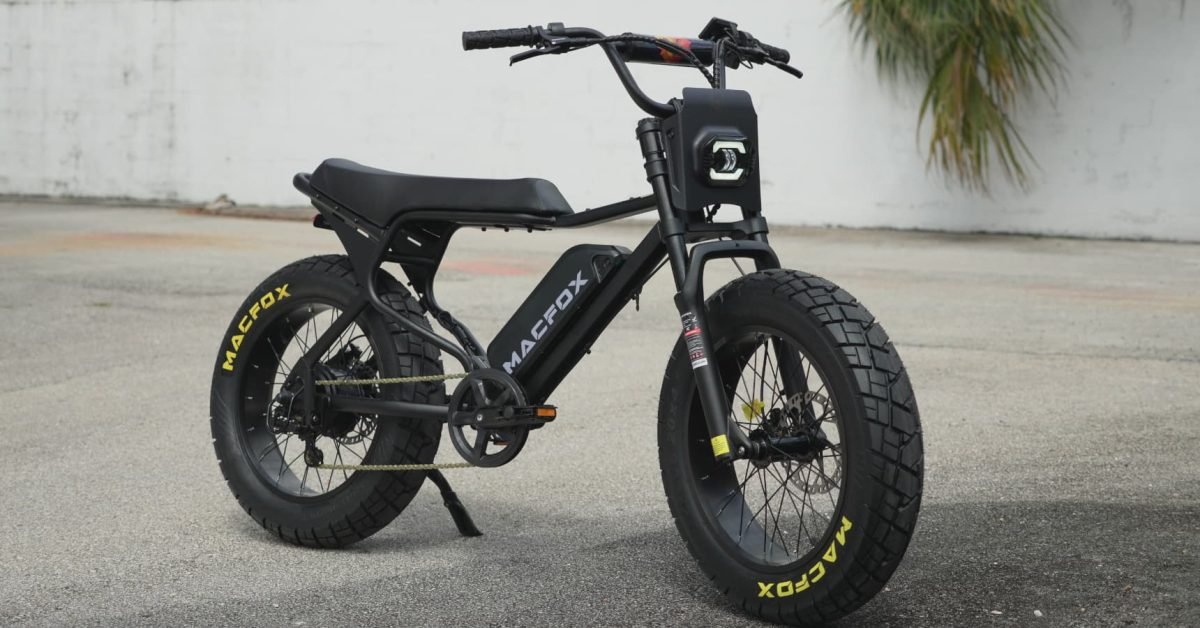
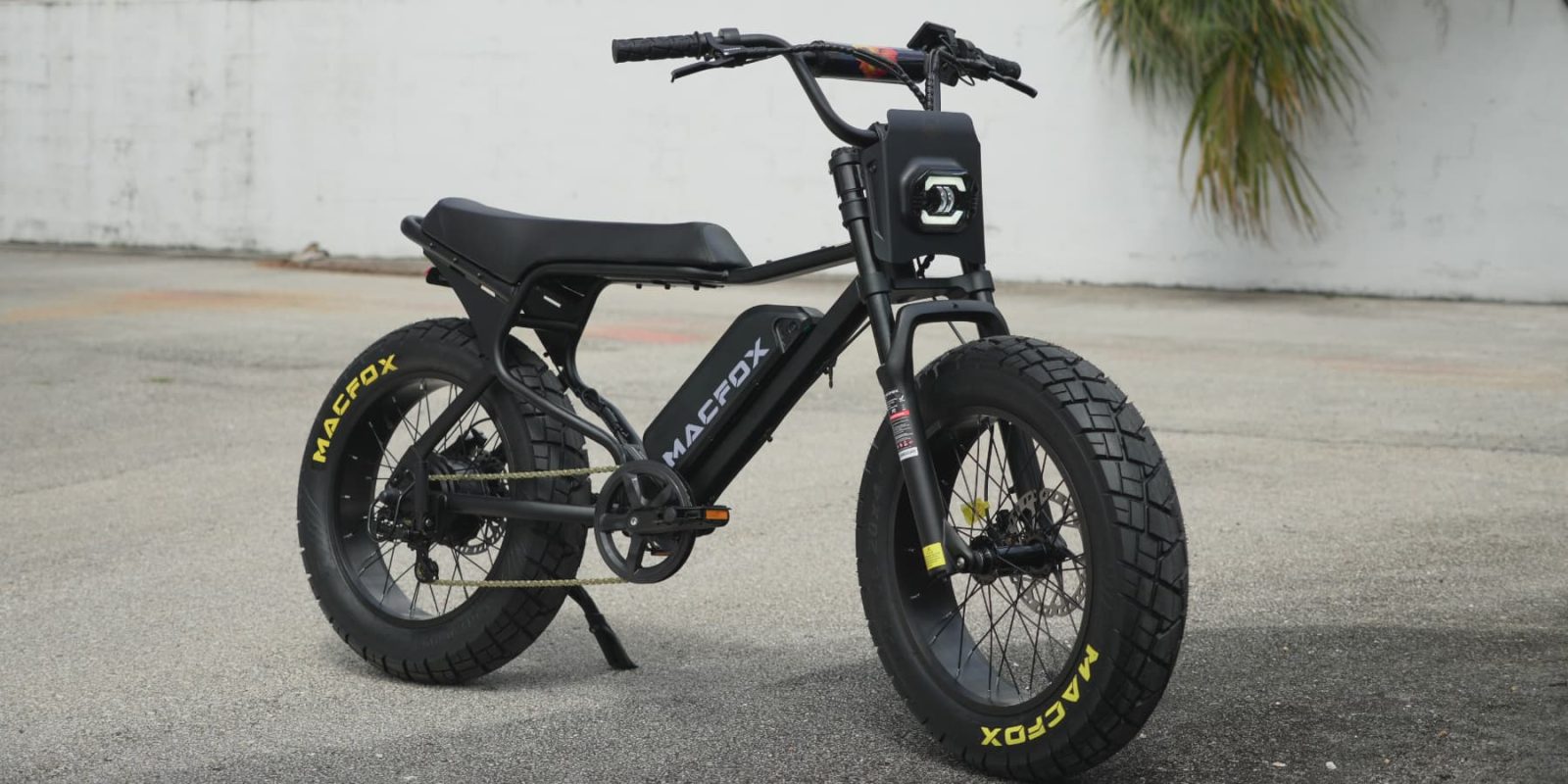
Illinois is on the verge of adopting a major update to its e-bike laws, and unlike many recent proposals around the country, this one doesn’t simply focus on traditional electric bicycles. In addition to the traditional 3-class electric bicycle system, it also sets in place a path forward for out-of-class models that are too fast or powerful to qualify as true electric bicycles.
The legislation creates a new legal framework that distinguishes between low-speed e-bikes (Class 1, 2, and 3) and the increasingly common high-speed electric vehicles that often blur the line between bicycles and motorcycles.
Senate Bill 3336 recently passed the Illinois House in an 80-30 vote and now awaits final action in the Senate. The bill is backed by Illinois Secretary of State Alexi Giannoulias, who argues that current laws haven’t kept pace with rapidly evolving micromobility technology.
The legislation formally adopts the familiar three-class e-bike system used in much of the United States. Under the proposal, Class 1 and Class 2 e-bikes would be limited to 20 mph (32 km/h), while Class 3 pedal-assist e-bikes could reach speeds of up to 28 mph (45 km/h). All three can feature motors with up to 750W of power (one horsepower).
But the more notable change is the creation of a separate category for “high-speed” e-bikes capable of exceeding 28 mph (45 km/h).
Those vehicles would no longer be treated as bicycles. Instead, riders would need a driver’s license, vehicle registration, insurance, and a title, similar to the requirements for motorcycles. They would also be restricted to operating on roadways, according to local news WTTW.
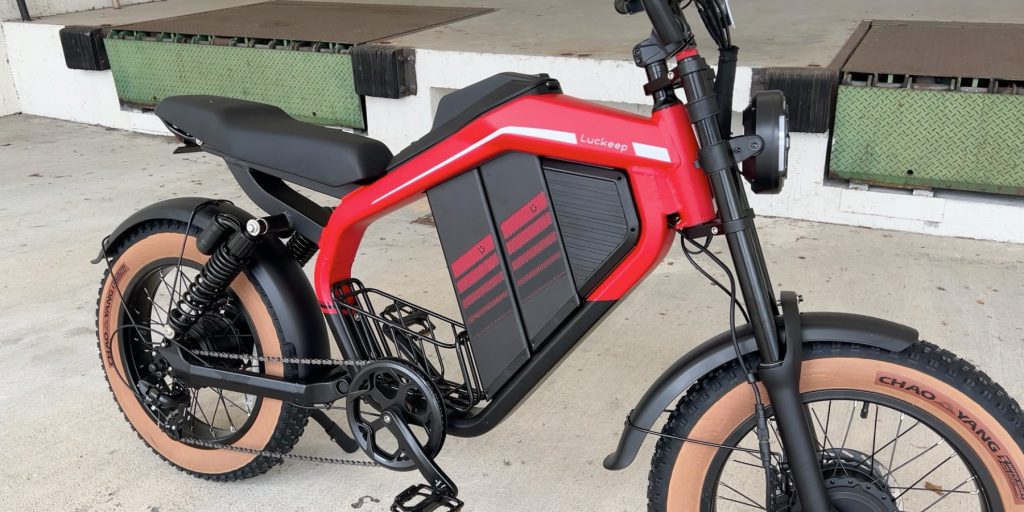
The move appears aimed at addressing a growing issue seen across the country: powerful electric two-wheelers marketed as electric bicycles despite offering performance that far exceeds traditional e-bike classifications.
At a press conference earlier this year, Giannoulias pointed to what he described as “literal motorcycles” appearing on bike paths and mixed-use trails.
The bill also establishes age requirements for lower-speed e-bikes, allowing riders as young as 15 on Class 1 and Class 2 models and requiring riders to be at least 16 years old for Class 3 e-bikes.
Electrek’s Take
What’s interesting about Illinois’ approach is that it isn’t trying to ban high-performance electric bikes outright. Instead, lawmakers appear to be acknowledging that these vehicles exist and creating a legal pathway for them to operate – just not on bike paths and trails intended for conventional bicycles.
That’s a distinction we’ve increasingly seen states wrestle with. Traditional Class 1, 2, and 3 e-bikes have become widely accepted as electric bicycles belonging in the bike lane, at least in most states, but a growing number of electric motorcycles and moped-style machines are creating confusion when they’re sold or used as bicycles and ridden in areas traditionally used by cyclists.
By adopting both the three-class e-bike framework and a separate category for faster vehicles, Illinois seems to be offering a blueprint for how states can support low-speed e-bikes while also bringing higher-performance electric two-wheelers into a clearer regulatory framework.


FTC: We use income earning auto affiliate links. More.