


3 min readNew DelhiMay 16, 2026 07:00 PM IST
Neha Bhasin is 43 years old and has finally learned to accept how her body functions as per her menstrual cycle. Taking to Instagram, she shared a candid post on how most women spend their entire lives hating their bodies or fighting against them.
“This is day 2 of my period, and I look like I have shed 3 kgs. Unfortunately, no one taught us to respect our bodies and how it responds through our pms/ pmdd, ovulation, periods or post-periods,” she noted in the caption of her Instagram post.

On top of that, if you have endocrine disorders or metabolic disorders, Bhasin says that “you are in an eternal toxic cycle of hate and a losing battle”.
Choosing acceptance over nitpicking her flaws, the Bollywood playback singer further added: “I am proud to say I am finally ending that cycle for myself and finding humility in how god made me…Have a good day, everyone. Life is good and so are u.”
According to Dr Priya Bansal, Senior Consultant, Gynaecology & GynaeOncology, Medanta Noida, hormonal fluctuations become prominent as women move into their 40s towards their perimenopause or menopause. “Many women experience fluctuations in energy, sleep, mood, focus, appetite, and even confidence at various points in their cycle. So, if you keep track of your body’s rhythm and recognise these biological symptoms, you can help ease this transition and promote a healthier life,” she tells indianexpress.com.
When public figures like Neha Bhasin speak about their experiences, it helps create awareness and compassion about hormonal changes.
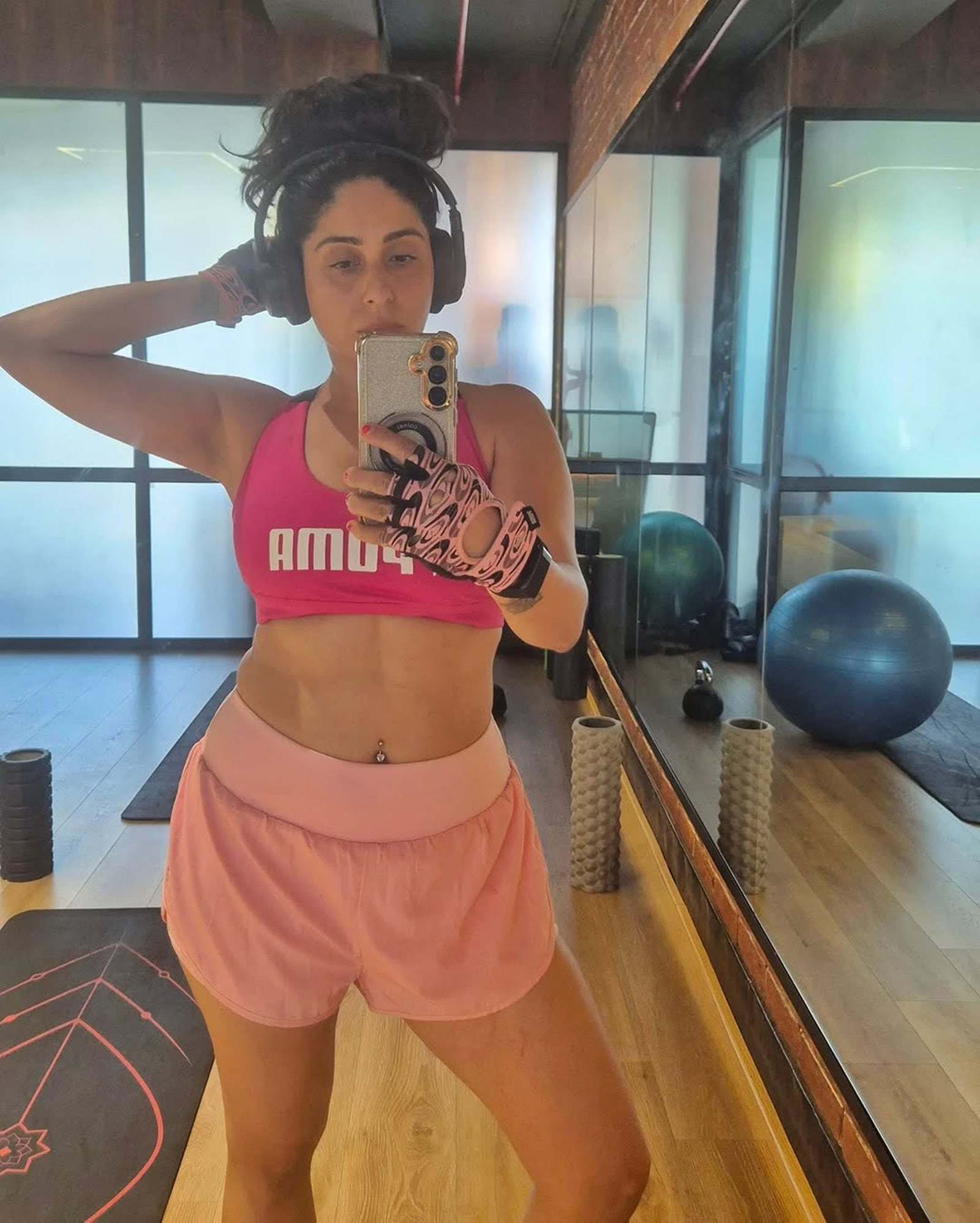 Bhasin’s candid admission at 43. (Source: Instagram/@nehabhasin4u)
How can you optimise your life around your cycle?
Dr Bansal suggests women to structure their day around their body’s needs, such as taking it easy on days when they experience low energy or scheduling demanding tasks when they naturally have more energy and focus.
Story continues below this ad
“Regular exercise, with flexibility rather than rigid routines, and greater attention to nutrition, hydration and sleep quality contribute to overall wellbeing,” she advises, adding that strength training, yoga, walking, mindfulness practices and reducing excess caffeine or alcohol can help regulate symptoms during perimenopause and menopause.
Equally important is reducing the guilt around slowing down or needing recovery.
Dr Bansal reiterates that menopause is not the end of productivity or vitality, it is a transition that needs a new kind of self-care. And by having open conversations about their hormonal health women can better understand symptoms like brain fog, anxiety or fatigue.
DISCLAIMER: This article is based on information from the public domain and/or the experts we spoke to. Always consult your health practitioner before starting any routine.