

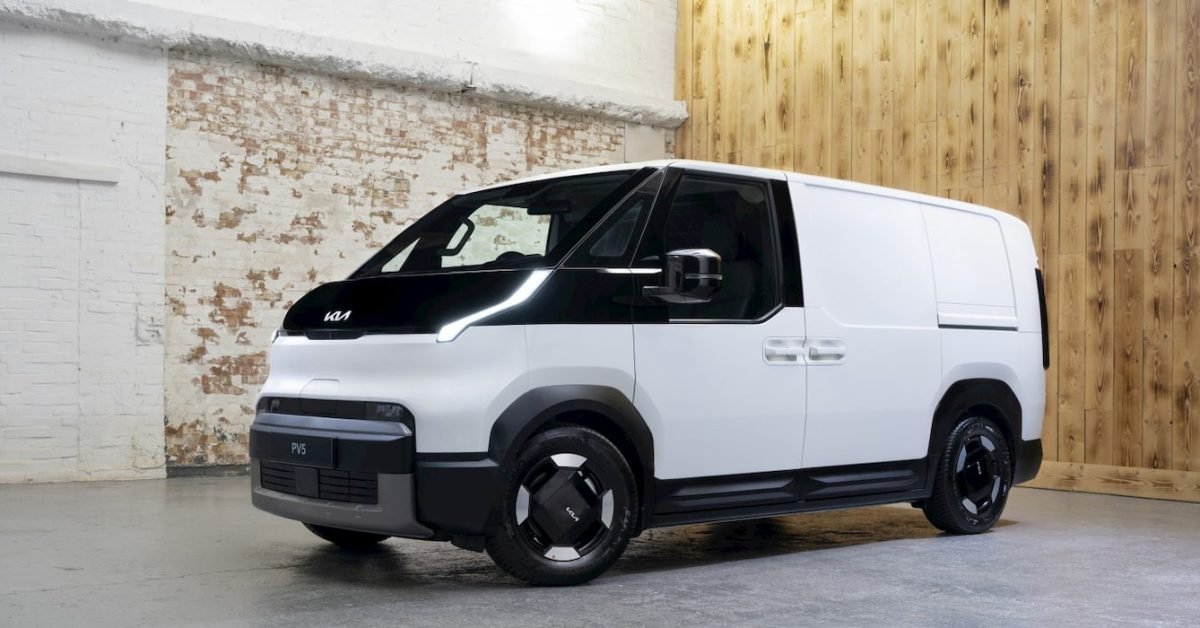
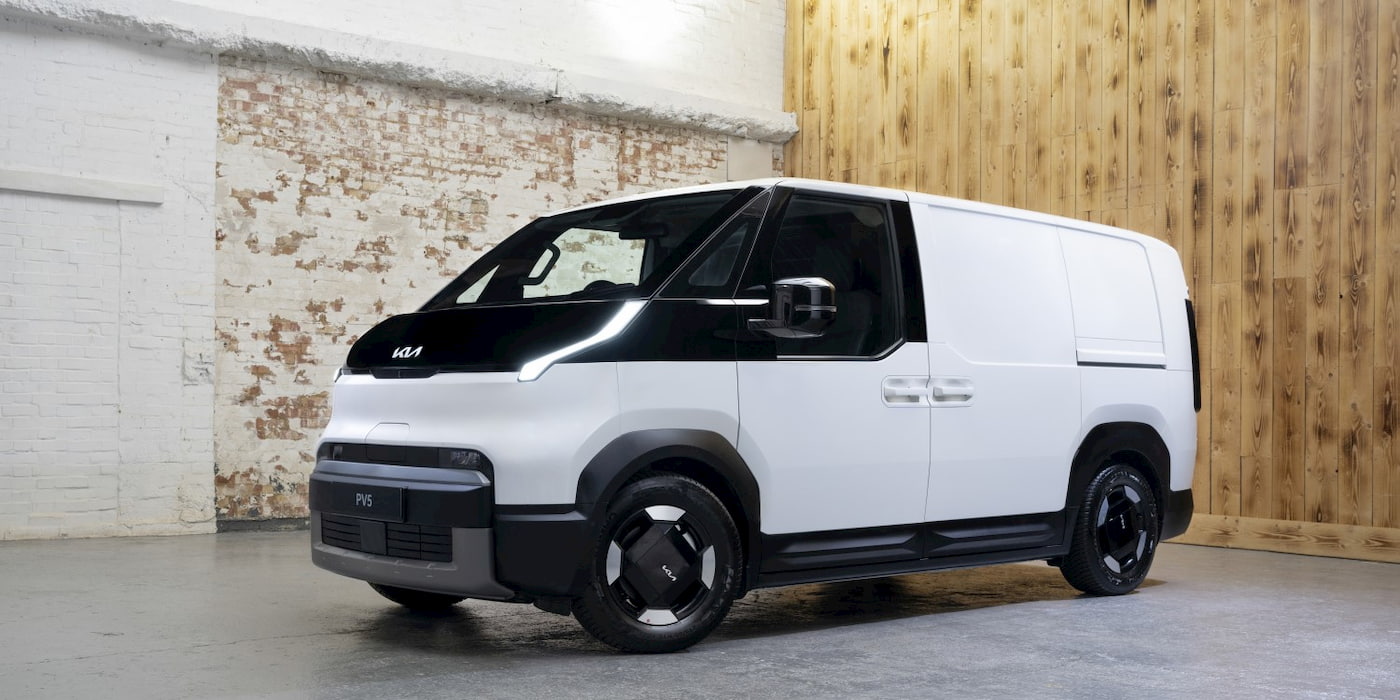
The PV5 is turning out to be a smash hit, so much so that Kia is now being forced to ration supply to overseas markets as it juggles demand.
The Kia PV5 is a global success
After launching the PV5 last year in Europe and South Korea, Kia’s electric van has quickly become one of its best-selling EVs.
The PV5 is now available in several configurations, including Passenger for everyday use and Cargo for businesses.
Kia’s electric van is now on a full-scale offensive as it enters new global markets this year, including Japan, Australia, and Canada.
While the “overwhelmingly positive” response is welcomed, the only issue is that Kia may not have enough to sell. In Australia, Kia aims to sell 50 PV5’s a month, but it believes it could sell even more if it had the supply.
“Supply will be one of the things that we’ve got to juggle, because globally it’s a success, particularly in Europe. We’ve got to haggle for supply, but 50 a month is our current target,” Kia Australia product planning general manager, Roland Rivero, told CarExpert on the sidelines of the PV5 launch event for Australian media.
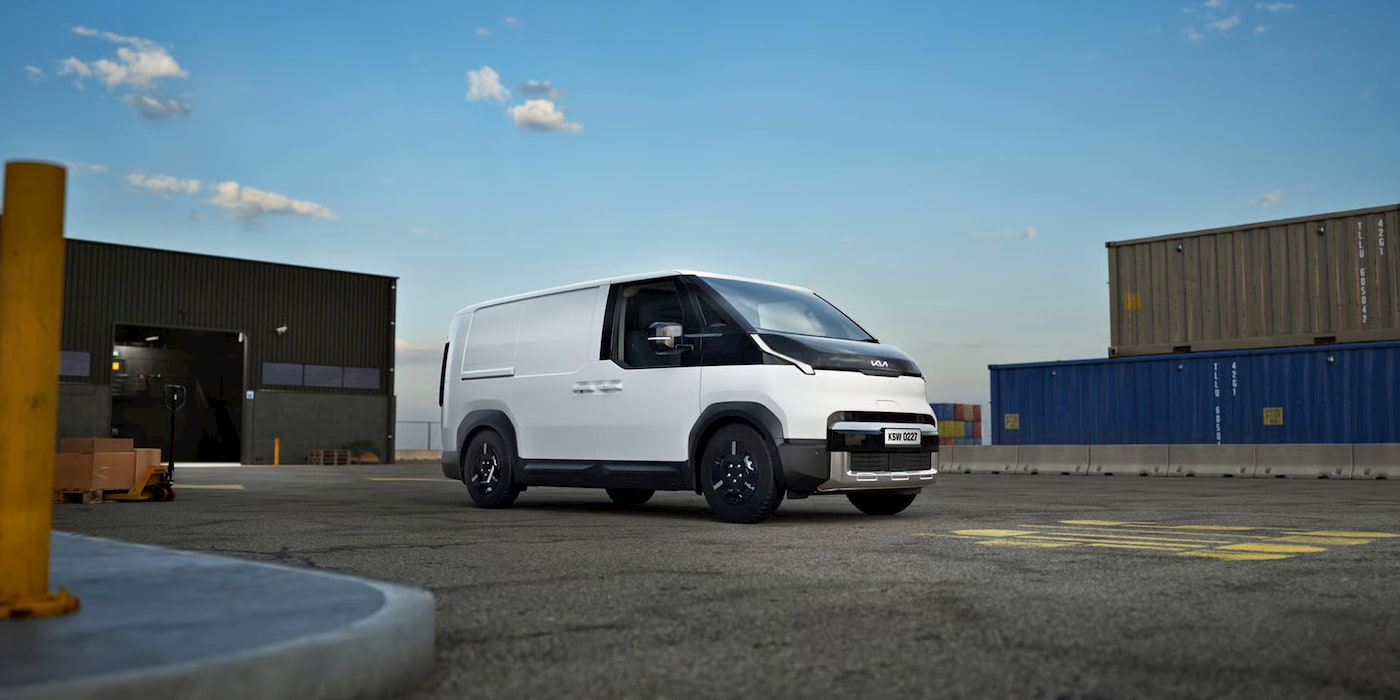
“The anecdotal feedback coming through from our dealers, and people from fleets that our fleet team have showcased the product to, suggests that there’s every opportunity that we could sell above that,” he added.
The PV5 Cargo arrives as the cheapest electric van in its class, starting at just AUD 55,990 ($39,200), before on-road costs.

That’s considerably cheaper than the larger Ford E-Transit Custom (AUD 77,890) and Volkswagen ID. Buzz Cargo (AUD 69,990), and others in its class like the Renault Kangoo E-Tech (AUD 61,990) and Peugeot E-Partner (AUD 59,990).
Kia Australia CEO Dennis Piccoli said the response to the PV5 has been “overwhelmingly positive,” adding that the electric van could be in limited supply in Australia due to stronger-than-expected sales in South Korea and Europe.
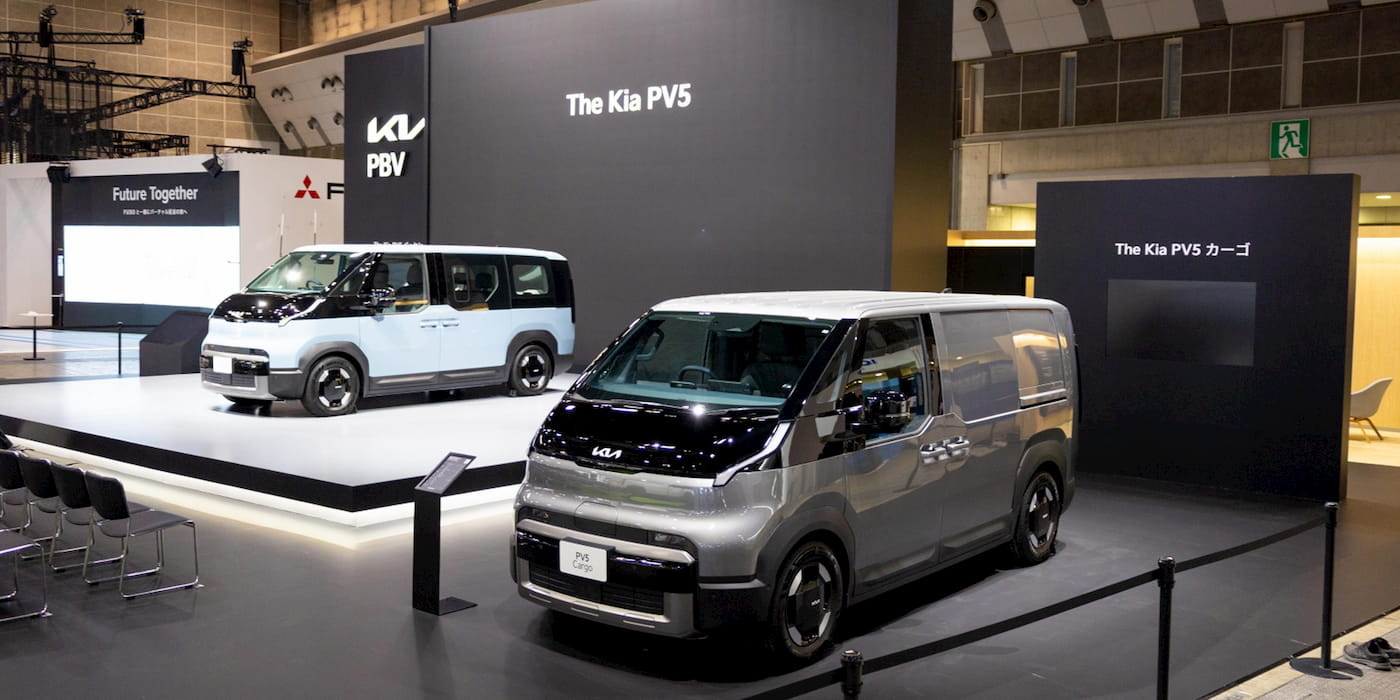
In South Korea, the PV5 is among Kia’s top-selling electric vehicles. Kia sold over 8,100 units globally in the first three months of 2026.
In Europe, the PV5 already accounts for 9% of light commercial electric vehicle (eLCV) sales. It looks like Kia’s electric van will have the same impact in overseas markets if it can keep up with demand.
Last month, Kia said it was going on a “full-scale attack” after launching the PV5 in Japan to compete with Toyota, Honda, and Nissan.


FTC: We use income earning auto affiliate links. More.