

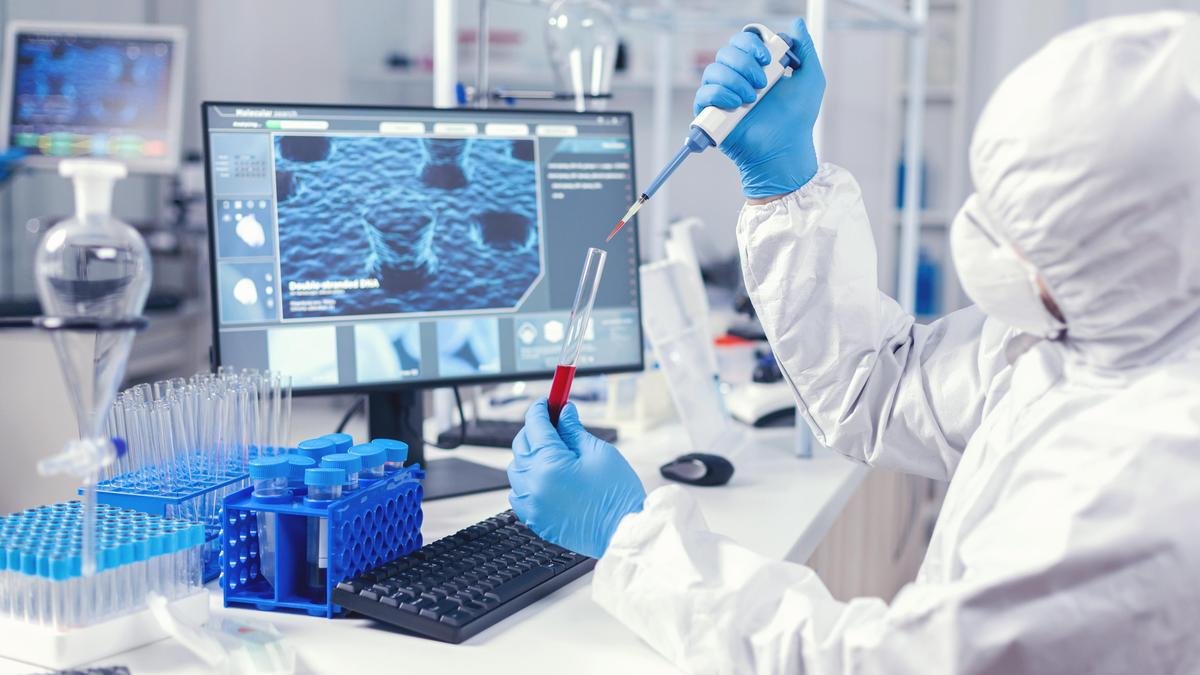
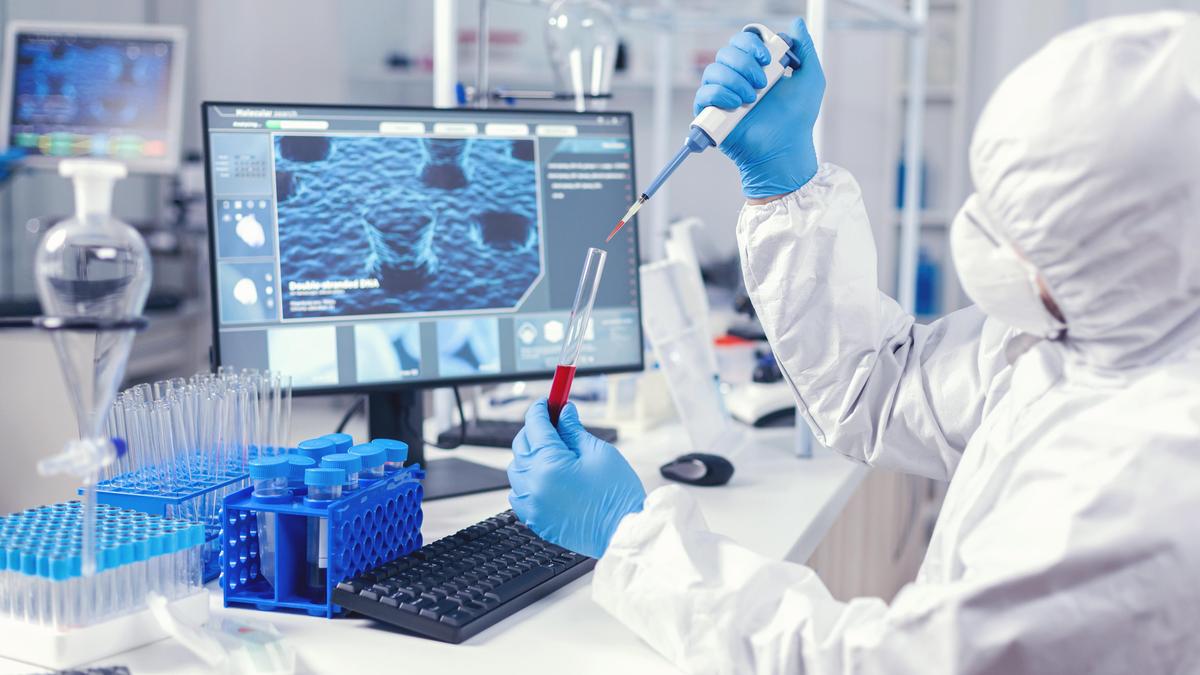
The initiative, being implemented in collaboration with the Tata Institute for Genetics and Society, Bengaluru, is aimed at generating evidence that can guide public health interventions, antibiotic stewardship and policy decisions.
Karnataka’s Health Department has launched a State-wide scientific surveillance programme to map and monitor antimicrobial resistance (AMR) patterns across all districts. The initiative, being implemented in collaboration with the Tata Institute for Genetics and Society (TIGS), Bengaluru, is aimed at generating evidence that can guide public health interventions, antibiotic stewardship and policy decisions.
Aimed at identifying resistance trends, emerging microbial threats and geographical variations in antimicrobial resistance, the initiative involves systematic sample collection and analysis at selected surveillance sites across the State.
Incumbent Health Minister Dinesh Gundu Rao, in a letter dated May 27 inviting TIGS to collaborate with the Health Department, said antimicrobial resistance was emerging as one of the most significant public health challenges globally, with serious implications for healthcare delivery, patient outcomes and public health systems.
“In view of the growing concern regarding the AMR and the need for evidence-based interventions, the State government is keen to strengthen surveillance mechanisms to better understand antimicrobial resistance patterns across the State,” the Minister said in the letter.
Scientific surveillance
Swetavalli Raghavan, advisor to the State government on Antimicrobial Resistance, who has been designated as the nodal coordinator for the initiative, said the objective is to strengthen scientific surveillance and enable evidence-based decision-making in public health.
The AMR is increasingly reducing the effectiveness of antibiotics, leading to severe infections, prolonged hospitalisation, higher healthcare costs and preventable mortality. “This initiative will generate robust scientific data to support policy formulation, strengthen preparedness and improve long-term health outcomes,” she said.
Under the collaboration, the TIGS will provide scientific and technical support for surveillance activities, including genomic surveillance and antimicrobial susceptibility testing (AST), to generate high-quality evidence on resistance patterns across Karnataka.
“I will work closely with the TIGS on site selection, data collection, harmonisation of datasets and analysis. The data generated through the collaboration will be analysedand converted into actionable intelligence through analytics, modelling and simulation. The findings are expected to support antimicrobial stock planning, strengthen diagnostic access, guide antibiotic stewardship programmes and assist targeted enforcement measures by drug inspectors,” Dr. Raghavan told The Hindu.
Local AMR trends
The initiative is also expected to provide clinicians with local resistance trends and prescribing insights to improve treatment decisions. In addition, the data could help identify priority gaps and opportunities for researchers, start-ups and industry to develop new diagnostics, therapeutics and other AMR-related solutions.
Pointing out that India continued to face significant gaps in real-time surveillance and actionable intelligence on the AMR, Dr. Raghavan said, “Karnataka now has an opportunity to build a scientifically rigorous, governance-integrated AMR surveillance ecosystem capable of informing rapid, evidence-based interventions. This initiative moves the AMR response beyond fragmented academic reporting towards continuous public health intelligence that can directly shape policy, strengthen antibiotic stewardship, improve outbreak preparedness and ultimately save lives.”
Robust surveillance systems
Rakesh Mishra, Director of TIGS, said robust surveillance systems were critical to understanding how antimicrobial resistance evolves across communities and healthcare settings.
He said the partnership would combine advanced genomic tools and laboratory science with public health decision-making, creating a framework that could help Karnataka respond more effectively to emerging resistance threats while generating evidence for future innovation and policy action.
The programme is part of a broader effort to strengthen scientific public health infrastructure and preventive healthcare systems while enhancing the State’s capacity to respond to emerging infectious disease threats, Dr. Mishra added.
Published – June 02, 2026 09:57 pm IST