

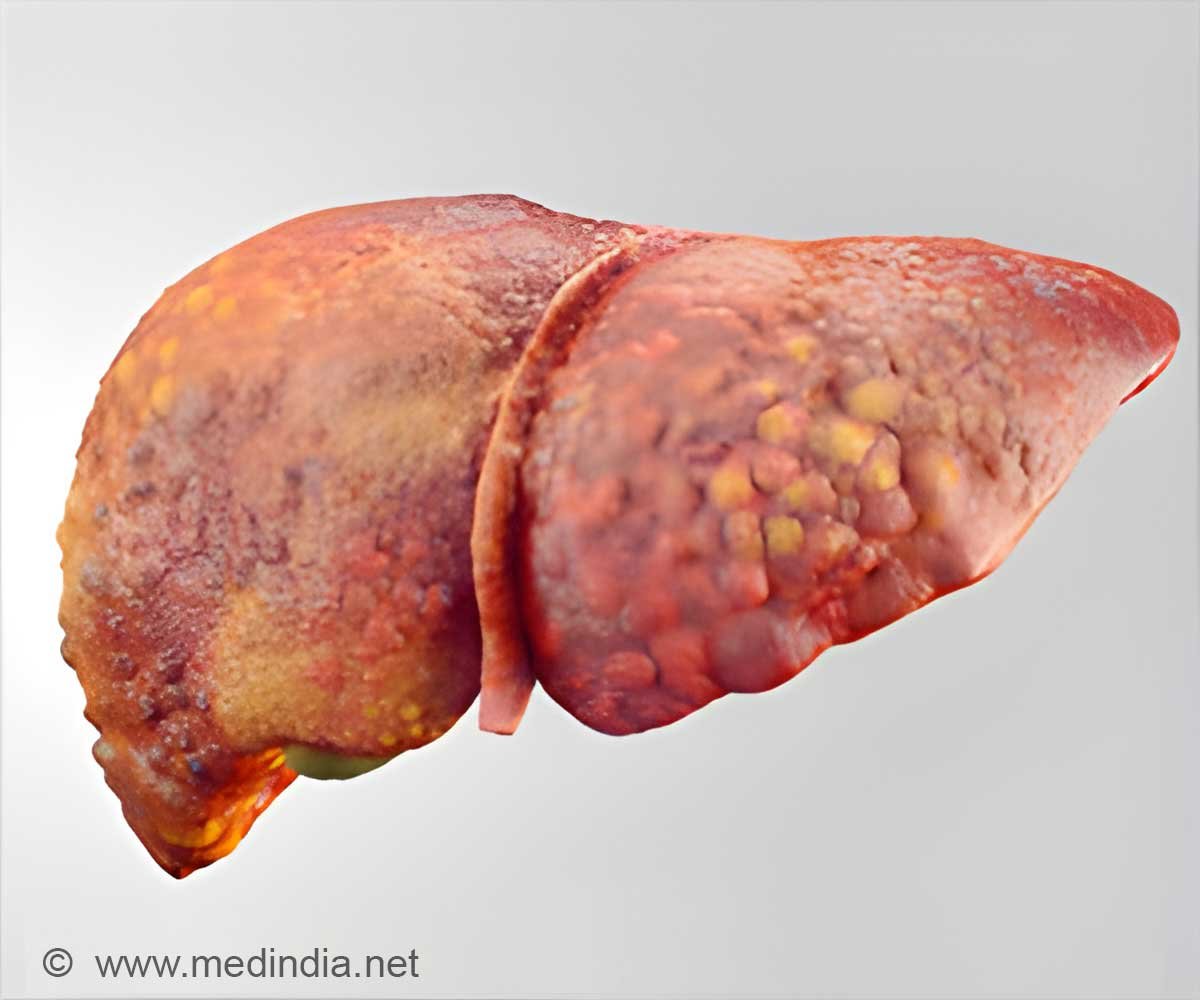
A new study suggests polyethylene microplastics commonly found in food packaging may worsen fatty liver disease by disrupting the liver’s natural repair mechanisms.
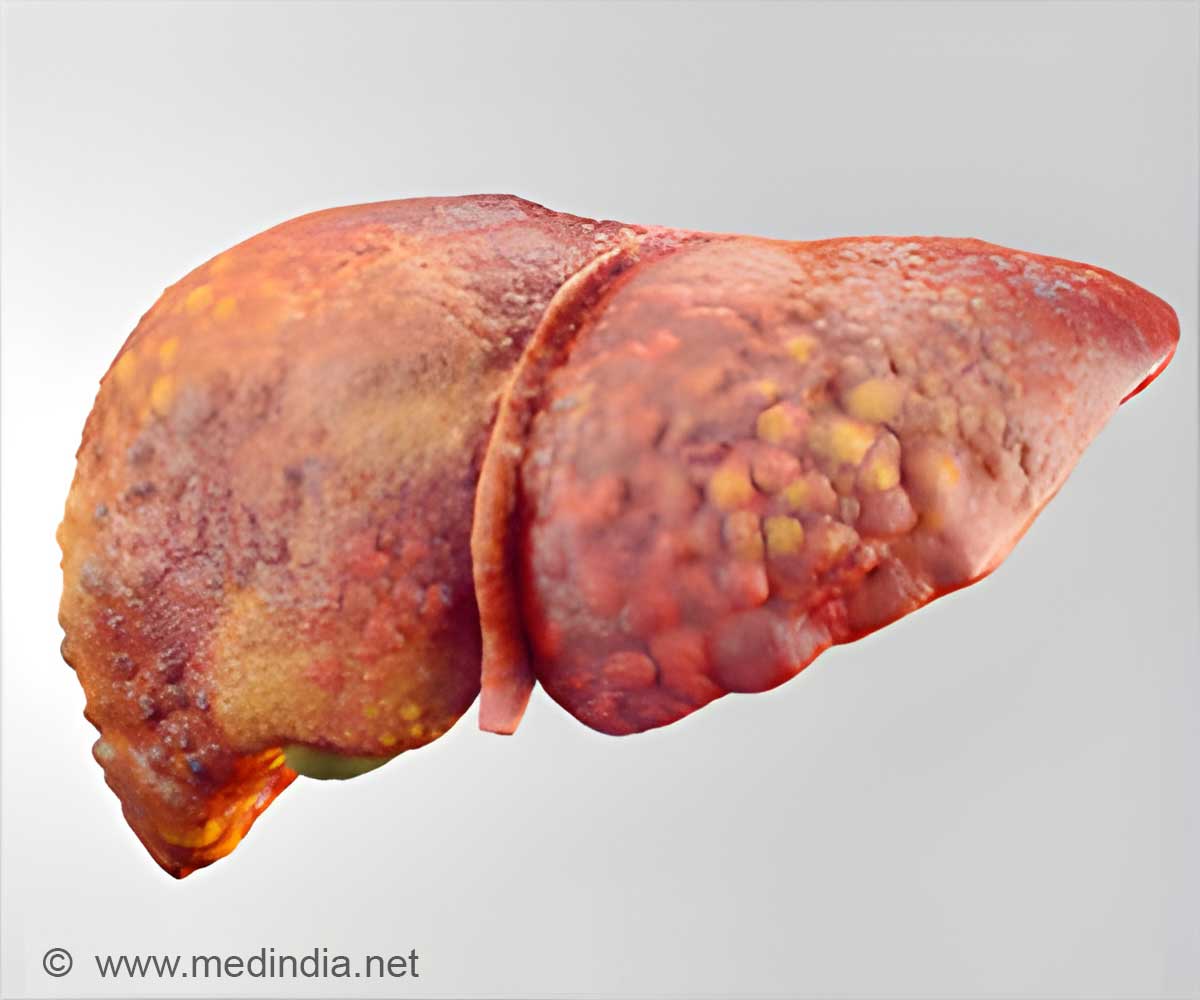
- Polyethylene microplastics worsened fatty liver disease in laboratory mice
- The plastic disrupted the liver’s natural repair system by altering key biological pathways
- The liver damage became even more severe when microplastics were combined with a high-fat, high-fructose, high-cholesterol diet
A common plastic used in food packaging may do more than pollute the environment. A new study suggests that polyethylene microplastics could contribute to fatty liver disease and worsen liver damage, particularly when combined with an unhealthy diet.
Researchers found that polyethylene, one of the world’s most widely used plastics, interfered with the liver’s natural repair mechanisms in an animal study (1✔ ✔Trusted Source
Spatial transcriptome mapping identifies Ppara-Anxa2 cross-talk in microplastic-induced hepatotoxicity
).
Supported by previous human and laboratory research, the findings add to growing concerns that everyday microplastic exposure could affect long-term liver health.
Advertisement
Can a Common Plastic Increase Fatty Liver Disease Risk?
Researchers investigated whether polyethylene (PE), one of the world’s most widely used plastics, could affect liver health.
According to the study, polyethylene increased signs of fatty liver disease in laboratory mice, with liver damage becoming more severe when combined with a high-fat, high-fructose, high-cholesterol diet.
The researchers note that these findings are based on animal studies and require confirmation in humans.
The study uncovered several important findings about how polyethylene may affect the liver.
Advertisement
Major Findings on Polyethylene and Fatty Liver Disease
| Finding | What Researchers Reported |
|---|---|
| Fatty liver disease | Polyethylene exposure increased signs of fatty liver disease. |
| Effect of unhealthy diet | Liver damage became more severe when polyethylene exposure was combined with a high-fat, high-fructose, high-cholesterol diet. |
| Liver function | Polyethylene disrupted the liver’s natural defense and repair mechanisms. |
| Key biological changes | The study identified PPAR-alpha and ANXA2 as important pathways linked to liver injury and tissue repair. |
| Unexpected discovery | Polyethylene, previously considered one of the more biologically inert microplastics, showed the potential to affect liver health. |
| Future implications | The findings highlight the need for further human studies and may help identify new therapeutic targets for liver disease. |
ne Damage the Liver?
To understand how polyethylene affects liver cells, researchers collaborated with the University of Oklahoma and used spatial transcriptomics, a technology that maps gene activity while preserving the exact location of cells within tissue.
This allowed scientists to identify where liver damage occurred instead of simply measuring overall changes.
The analysis showed that polyethylene activates PPAR-alpha, a protein involved in fat metabolism, and alters ANXA2, a gene associated with tissue repair.
According to the researchers, these changes may disturb the liver’s ability to process fats and recover from injury.
Earlier reviews have also suggested that microplastics may trigger oxidative stress, inflammation, mitochondrial dysfunction, immune imbalance, and disruption of the gut-liver axis.
These processes are all linked to the development and progression of metabolic dysfunction-associated steatotic liver disease (MASLD), commonly known as fatty liver disease.
Although these findings improve scientists’ understanding of how polyethylene may influence liver health, researchers stress that more clinical studies are needed to determine whether the same biological changes occur in humans.
Advertisement
Why Is Polyethylene Receiving More Attention Than Other Microplastics?
Polyethylene has received more scientific attention than many other microplastics, despite being the most commonly produced plastic worldwide. It is widely used because it is lightweight, durable, and inexpensive, making it a major component of food packaging and household products.
According to recent reviews, polyethylene can gradually break down into microscopic particles through heat, sunlight, mechanical wear, repeated use, and aging. These particles may migrate into food and beverages, increasing everyday exposure.
Previous human research has also detected microplastics in cirrhotic liver tissue, although scientists could not determine whether the particles contributed to liver disease or accumulated. because liver function was already impaired.
Where Does Polyethylene Enter Your Daily Life?
Completely avoiding microplastics is difficult because they are now present in food, water, air, and many everyday products.
According to a recent review published in Foods, polyethylene (PE) is the most widely produced plastic globally and is commonly used in food packaging, plastic wraps, storage containers, bottle caps, and beverage cup linings (2✔ ✔Trusted Source
Polyethylene Packaging as a Source of Microplastics: Current Knowledge and Future Directions on Food Contamination
The review explains that heat, repeated use, sunlight, and mechanical wear can gradually break down polyethylene into microscopic particles that may migrate into food and beverages.
According to the recent review in Livers, people are exposed to microplastics mainly through food, drinking water, inhalation, and, to a lesser extent, personal care products (3✔ ✔Trusted Source
Exploring the Classic and Novel Pathogenetic Insights of Plastic Exposure in the Genesis and Progression of Metabolic Dysfunction-Associated Steatotic Liver Disease (MASLD)
Common Sources of Polyethylene Microplastics and Ways to Reduce Exposure
| Source of Exposure | Simple Ways to Reduce Exposure |
|---|---|
| Plastic food containers | Reheat food in glass or ceramic containers instead of plastic. |
| Food packaging and plastic wraps | Reduce direct contact between hot food and plastic packaging whenever possible. |
| Bottled water | Prefer filtered tap water, especially using membrane-based filters where available. |
| Plastic tea bags | Choose paper tea bags or loose-leaf tea. |
| Synthetic clothing and laundry | Wash full loads, use lower temperatures, and consider microfiber-catching laundry filters. |
| Cosmetics and personal care products | Check labels for polyethylene (PE), polypropylene (PP), PET, PTFE, PMMA, and similar plastic ingredients. |
| Indoor dust | Improve ventilation and use HEPA-filtered vacuum cleaners to reduce airborne microplastics. |
Have Microplastics Already Been Found in the Human Liver?
The new study is not the first to link microplastics with liver health.
According to another study, researchers have already detected microplastics in human liver tissue, providing early evidence that these particles can reach one of the body’s most important organs. However, the researchers caution that the study does not prove microplastics cause liver disease (4✔ ✔Trusted Source
Microplastics detected in cirrhotic liver tissue
Key Findings From the Human Study:
- Researchers examined 17 tissue samples collected from the liver, kidney, and spleen.
- Microplastics were detected only in the livers of patients with cirrhosis, while healthy liver samples tested negative.
- Scientists identified six different types of microplastic polymers in cirrhotic liver tissue.
- The highest concentrations of microplastics were found in cirrhotic liver tissue, suggesting chronic liver disease may be linked with greater microplastic accumulation.
- Researchers said it is still unclear whether microplastics contribute to liver fibrosis or simply accumulate after liver disease develops.
What Do Researchers Plan to Study Next?
The current study is only the beginning. Future research will investigate whether polyethylene contributes to more advanced liver diseases, including liver fibrosis, and whether blocking the PPAR-alpha pathway can reduce liver damage caused by microplastic exposure.
The researchers also plan to examine other classes of microplastics to determine whether they affect the liver through similar biological pathways. According to Dr. Adi Joshi, identifying where liver damage occurs and understanding the molecular mechanisms involved may help scientists develop new strategies to prevent or treat liver disease associated with environmental exposures.
Although the findings are promising, the researchers caution that the study was performed in animals. More clinical research is needed to determine whether similar effects occur in humans and to establish safe exposure levels for polyethylene and other microplastics.
Frequently Asked Questions
Q: What are polyethylene microplastics?
A: They are tiny plastic particles formed when polyethylene products such as food packaging and plastic containers break down over time.
Q: Did the study prove microplastics cause fatty liver disease?
A: No. The findings come from an animal study, and more human research is needed to confirm the link.
Q: Where are polyethylene microplastics commonly found?
A: They are commonly found in food packaging, plastic wraps, storage containers, bottled water packaging, and other everyday plastic products.
Q: How can I reduce my exposure to microplastics?
A: Use glass or ceramic containers for hot food, avoid heating food in plastic, choose filtered water when possible, and reduce the use of single-use plastics.
Q: Have microplastics been found in the human liver?
A: Yes. Previous research has detected microplastics in liver tissue from people with cirrhosis, but it has not shown that the particles caused the disease.
Q: What will researchers study next?
A: Future studies will investigate whether polyethylene contributes to advanced liver diseases such as liver fibrosis and whether the same effects occur in humans.
References:
- Spatial transcriptome mapping identifies Ppara-Anxa2 cross-talk in microplastic-induced hepatotoxicity – (https://www.science.org/doi/10.1126/sciadv.aec8681)
- Polyethylene Packaging as a Source of Microplastics: Current Knowledge and Future Directions on Food Contamination – (https://www.mdpi.com/2304-8158/14/14/2408)
- Exploring the Classic and Novel Pathogenetic Insights of Plastic Exposure in the Genesis and Progression of Metabolic Dysfunction-Associated Steatotic Liver Disease (MASLD) – (https://www.mdpi.com/2673-4389/5/2/21)
- Microplastics detected in cirrhotic liver tissue – (https://www.sciencedirect.com/science/article/pii/S2352396422003280)
Source-Medindia