


Have you ever found yourself snapping at a loved one during a heatwave, only to regret it later? According to health coach Gunjan Taneja, soaring summer temperatures may be partly to blame.
In a recent Instagram reel, Taneja explained that hotter weather can increase discomfort, stress, and irritability while reducing patience, making people more impulsive and potentially increasing friction in relationships.
She linked this idea to the “Temperature Aggression Theory”, a psychological concept that explores how extreme heat may influence human behaviour. But is there any science behind the claim?
DISCLAIMER: This article is based on information from the public domain and/or the experts we spoke to. Always consult your health practitioner before starting any routine.
What is the Temperature Aggression Theory?
According to Dr Abhinit Kumar, Senior Consultant – Psychiatry, ShardaCare–Healthcity, the Temperature Aggression Theory suggests that very hot weather can make people more likely to feel frustrated, uncomfortable and irritable.
“It is a psychological concept that suggests extremely hot weather can increase feelings of discomfort, frustration, and irritability, which may make people more likely to react aggressively,” he tells indianexpress.com.
The reason, he explains, is that excessive heat can create both physical and mental stress, affecting mood, emotional regulation and decision-making.
Story continues below this ad
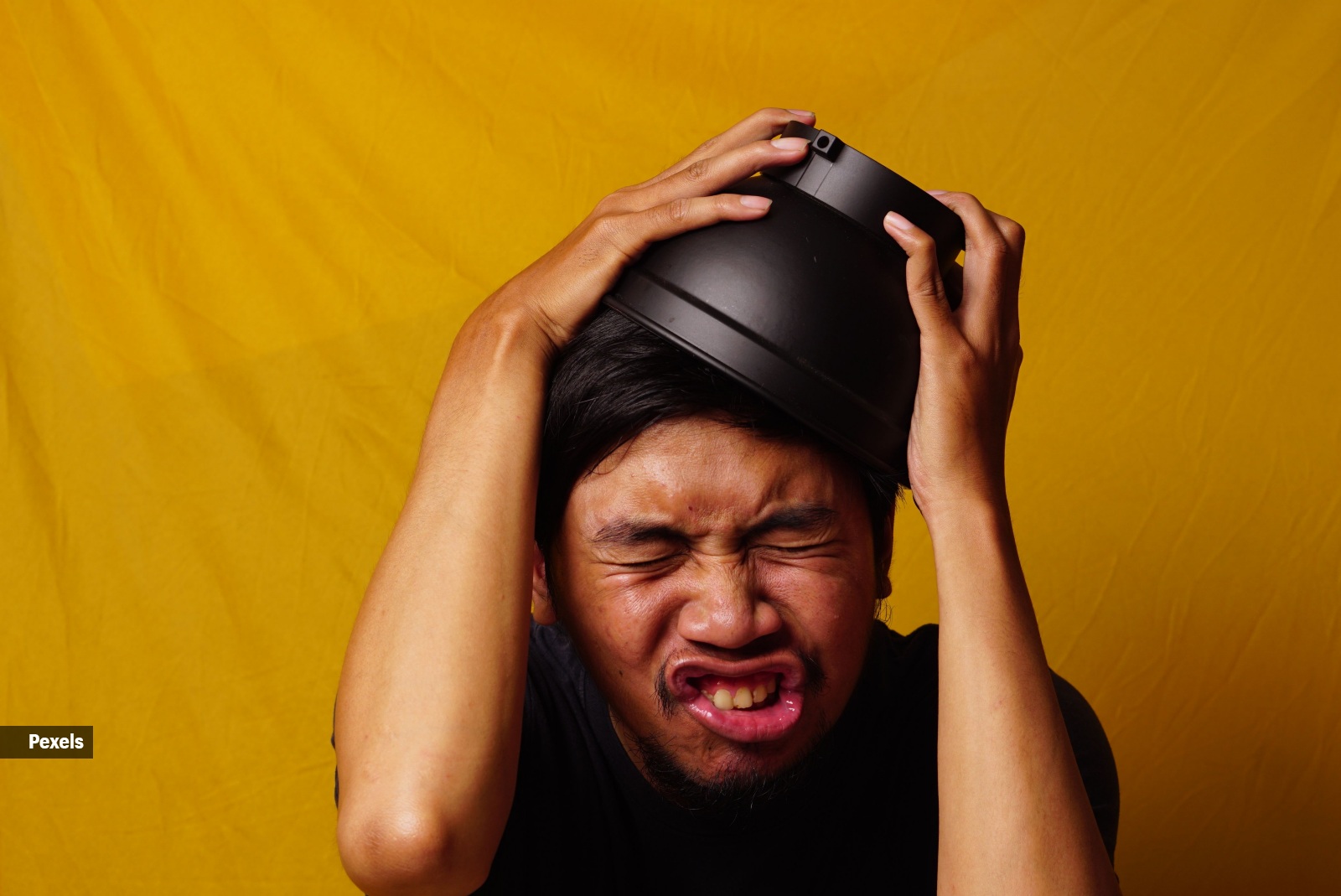 When temperatures rise beyond a person’s comfort level, it can create physical and mental stress (Image: Pexels)
However, heat alone does not automatically make someone aggressive.
“Individual personality, life circumstances, stress levels, and environmental factors also play an important role in determining how someone responds to hot weather,” Dr Kumar clarifies.
Does heat really make people more impulsive?
Experts say there is evidence that extreme temperatures can influence mood and behaviour.
“High temperatures may cause physical discomfort, dehydration, fatigue, poor sleep, and increased stress, all of which can reduce a person’s ability to stay calm and focused,” says Dr Kumar.
Story continues below this ad
As a result, some people may become more impatient, short-tempered or impulsive than usual. Small inconveniences that might otherwise be ignored can suddenly feel much harder to tolerate.
This may explain why some people feel more emotionally reactive during particularly hot days, especially if they are already stressed, tired or sleep-deprived.
Can hot weather lead to more arguments?
This is where Taneja’s relationship warning comes in. According to Dr Kumar, there is some evidence linking hotter weather with increased conflict and aggressive behaviour.
“There is some evidence that hotter weather may be associated with a higher likelihood of conflicts, arguments, and aggressive behavior because people tend to feel more uncomfortable, stressed, and emotionally reactive,” he says.
However, he cautions against blaming every disagreement on the weather.”Heat can act as an additional trigger that lowers emotional tolerance, but it is usually one of several contributing factors rather than the sole reason behind disagreements or conflicts.”
Story continues below this ad
In other words, a heated argument is rarely caused by heat alone. Relationship dynamics, work stress, financial concerns, mental health and everyday pressures all play a role. Extreme temperatures may simply lower the threshold at which frustration spills over.
How to keep your cool
While you cannot control the weather, you can reduce some of its effects on your mood. Dr Kumar recommends staying hydrated, getting adequate sleep and avoiding prolonged exposure to extreme heat whenever possible.
Similarly, Taneja suggests taking a pause before reacting in anger, cooling down physically and ensuring your environment is comfortable before escalating a disagreement.
So, summer heat is unlikely to be the sole reason behind relationship problems, but it can make people feel more stressed, uncomfortable and emotionally reactive. So if you find yourself unusually irritable during a heatwave, it may be worth checking the room temperature — and your water bottle — before picking a fight.
Story continues below this ad
DISCLAIMER: This article is based on information from the public domain and/or the experts we spoke to. Always consult your health practitioner before starting any routine.