

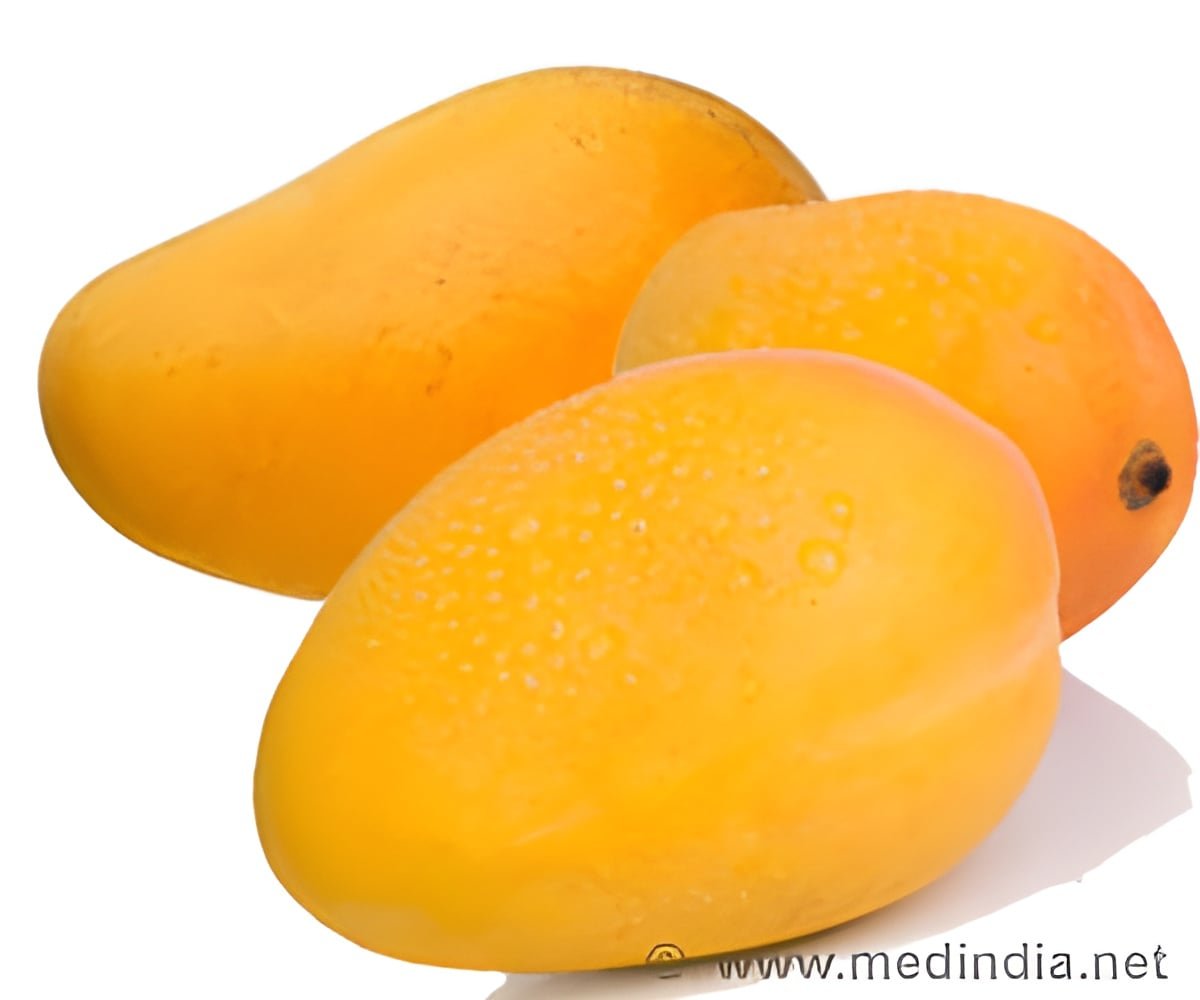
Mango season often comes with claims that eating just one mango a day is enough to boost immunity and meet your daily vitamin C requirements. While mangoes are rich in several nutrients, one mango might not be enough to meet your daily vitamin C requirement.
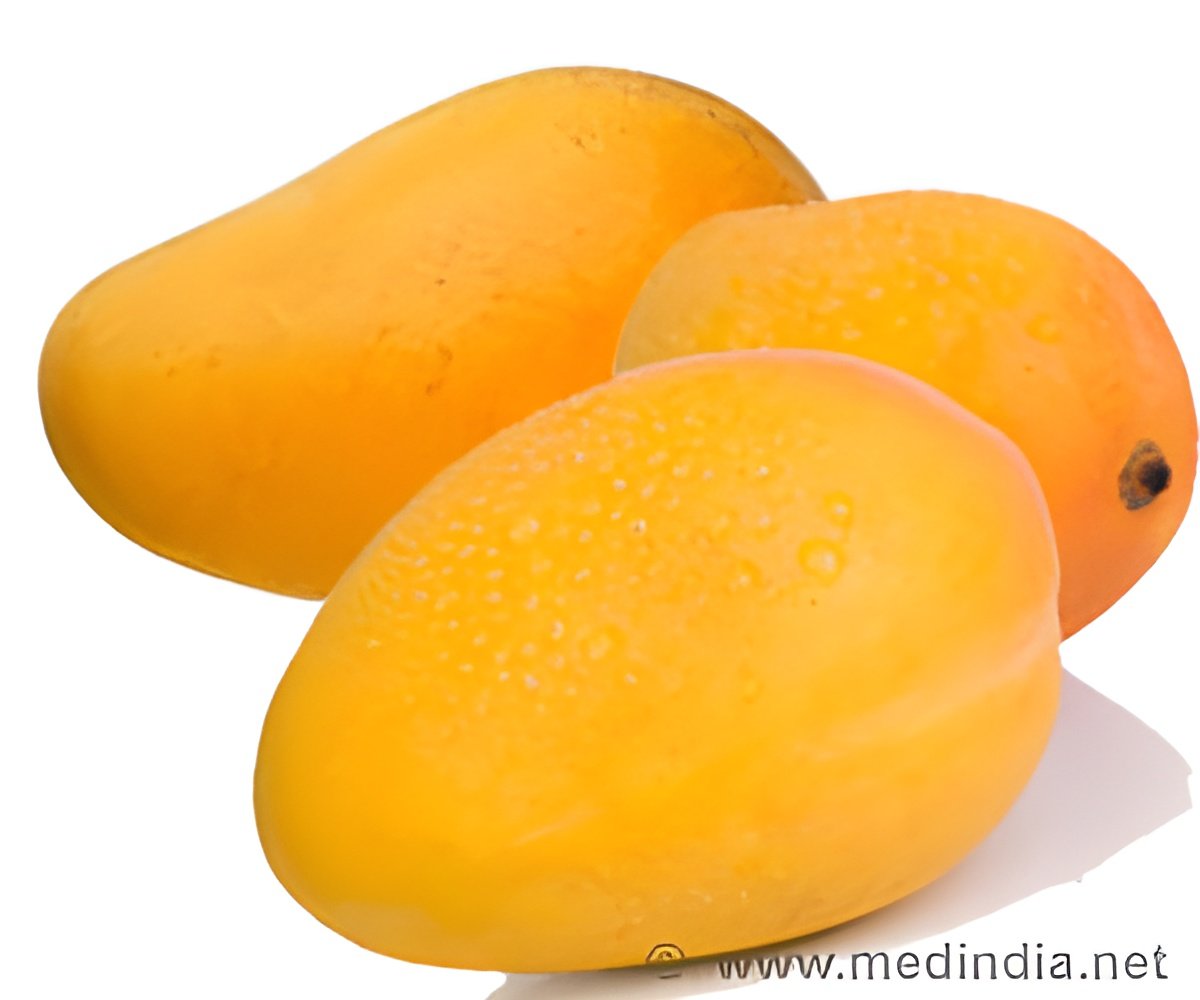
- Mangoes are a good source of vitamin C but may not always provide your full daily requirement
- Vitamin C supports immune function, collagen production, and wound healing
- A balanced diet with a variety of fruits and vegetables remains the best way to meet daily nutrient needs
Mangoes are among the most loved summer fruits, valued for their sweet taste and impressive nutritional profile. Every year, social media fills with claims that eating just one mango daily can strengthen immunity and provide all the vitamin C your body needs. While mangoes certainly contribute to a healthy diet, nutrition experts say the claim deserves a closer look.
Vitamin C plays an essential role in immune function, skin health, wound healing, and iron absorption (1). However, whether a single mango can completely satisfy your daily vitamin C requirement depends on several factors, including its size, variety, and your individual nutritional needs.
Advertisement
How much Vitamin C does a Mango Contain?
Mangoes naturally contain vitamin C along with dietary fiber, vitamin A, folate, potassium, and several antioxidant compounds. According to food composition data, one medium mango can provide a substantial proportion of the recommended daily vitamin C intake, although the exact amount varies depending on the variety and ripeness. It could range between 13.2-92.8 mg per 100 gm of the fruit (2).
(2)
Different mango varieties contain different nutrient levels, making it difficult to assume that every mango offers the same amount of vitamin C.
Advertisement
Can One Mango Boost Your Immunity?
Vitamin C supports several important immune functions. It helps immune cells work effectively, protects tissues from oxidative stress, and contributes to the body’s defense against infections. However, immunity depends on much more than a single nutrient or a single fruit.
Adequate sleep, regular physical activity, stress management, vaccination, sufficient protein intake, and a balanced diet all contribute to healthy immune function. No single food can dramatically boost immunity on its own.
Eating mangoes regularly can certainly contribute valuable nutrients, but they should be viewed as one part of an overall healthy dietary pattern.
Advertisement
What other Nutrients do Mangoes Provide?
Beyond vitamin C, mangoes are rich in beta-carotene, which the body converts into vitamin A (2). Vitamin A supports healthy vision, immune function, and maintenance of the skin and mucous membranes (4).
Mangoes also contain dietary fiber that supports digestive health and helps promote satiety. Polyphenols and carotenoids found in mangoes possess antioxidant properties that may help reduce oxidative stress within the body.
These nutrients work together to support overall health rather than providing a single ‘superfood’ effect.
Can You Eat Too Many Mangoes?
Although mangoes are nutritious, they also contain natural sugars. Eating large quantities may increase calorie intake, particularly for individuals managing diabetes, obesity, or weight-related concerns.
Most nutrition experts recommend enjoying mangoes in moderation as part of a varied diet. Pairing mango with protein-rich or fiber-rich foods such as yogurt, nuts, or seeds may help improve satiety and moderate blood sugar responses.
Fresh whole fruit remains a healthier choice than sweetened mango juices or desserts with added sugar.
What are the Best Food Sources of Vitamin C?
Mangoes are only one of many excellent vitamin C sources. Citrus fruits, guava, kiwi, strawberries, papaya, bell peppers, broccoli, tomatoes, and amla are also rich in this essential nutrient (5).
Including a variety of colorful fruits and vegetables throughout the day helps ensure adequate vitamin C intake while providing many other vitamins, minerals, and plant compounds that support overall health.
Relying on a single food is less effective than maintaining dietary diversity.
Mangoes are a nutritious fruit that can make a meaningful contribution to your daily vitamin C intake while supplying several other beneficial nutrients. However, one mango alone may not always meet your complete vitamin C requirement or single-handedly strengthen your immune system. The healthiest approach is to enjoy mangoes as part of a balanced diet that includes a wide variety of fruits, vegetables, whole grains, lean proteins, and healthy fats.
Frequently Asked Questions
Which doctor should I consult if I have concerns about my nutrition or vitamin C intake?
Consult a registered dietitian or nutritionist for personalized nutritional guidance.
Can one mango provide all the vitamin C I need?
A medium mango provides a substantial amount of vitamin C but may not fully meet everyone’s daily requirement.
Does eating mango improve immunity?
Mangoes provide vitamin C and other nutrients that support immune health as part of a balanced diet.
Can people with diabetes eat mangoes?
Yes, people with diabetes can enjoy mangoes in moderation after discussing dietary choices with their healthcare provider.
Are mangoes rich in antioxidants?
Yes, mangoes contain antioxidants such as carotenoids and polyphenols that help protect cells from oxidative stress.
What fruits contain more vitamin C than mangoes?
Guava, amla, kiwi, and some citrus fruits generally contain higher amounts of vitamin C than mangoes.
References:
- Vitamin C and Immune Function
(Carr AC, Maggini S. Vitamin C and Immune Function. Nutrients. 2017 Nov 3;9(11):1211. doi: 10.3390/nu9111211. PMID: 29099763; PMCID: PMC5707683.) - Chemical Composition of Mango (Mangifera indica L.) Fruit: Nutritional and Phytochemical Compounds
(Maldonado-Celis ME, Yahia EM, Bedoya R, Landázuri P, Loango N, Aguillón J, Restrepo B, Guerrero Ospina JC. Chemical Composition of Mango (Mangifera indica L.) Fruit: Nutritional and Phytochemical Compounds. Front Plant Sci. 2019 Oct 17;10:1073. doi: 10.3389/fpls.2019.01073. PMID: 31681339; PMCID: PMC6807195.) - Dietary Reference Intakes for Vitamin C, Vitamin E, Selenium, and Carotenoids
(Institute of Medicine (US) Panel on Dietary Antioxidants and Related Compounds. Dietary Reference Intakes for Vitamin C, Vitamin E, Selenium, and Carotenoids. Washington (DC): National Academies Press (US); 2000. 5, Vitamin C. Available from: https://www.ncbi.nlm.nih.gov/books/NBK225480/) - Role of Vitamin A in the Immune System
(Huang Z, Liu Y, Qi G, Brand D, Zheng SG. Role of Vitamin A in the Immune System. J Clin Med. 2018 Sep 6;7(9):258. doi: 10.3390/jcm7090258. PMID: 30200565; PMCID: PMC6162863.) - Investigation of bioaccessibility of vitamin C in various fruits and vegetables under in vitro gastrointestinal digestion system
(Andaç Öztürk S, Yaman M. Investigation of bioaccessibility of vitamin C in various fruits and vegetables under in vitro gastrointestinal digestion system. Food Measure. 2022;16(5):3735–42. doi: 10.1007/s11694-022-01486-z. Epub 2022 Jun 13. PMCID: PMC9189618.)
Source-Medindia