

That’s not to minimize the current disruptions. But it helps explain why many tourism operators are viewing the situation as disruptive but manageable.
“From the operators we work with in Bolivia, the message is consistent: this is not unprecedented, and it is not, from their perspective, a cause for serious alarm,” says Alice Farkas, a marketing and communications specialist at Aracari Travel, which operates in Bolivia.
What does this mean for my trip?
For most visitors, the answer depends on how much you plan on traveling internally within Bolivia.
Bolivia’s marquee attractions remain open. Travelers are still visiting the Salar de Uyuni, exploring Sucre’s colonial center, spending time on Lake Titicaca, and exploring the Amazon. Hotels and tour operators continue to welcome guests.
However, the complicating factor is transportation within the country, as classic Bolivia itineraries often involve long travel days between destinations, many of them by road. When protests close a major route, what would normally be a straightforward road trip could become significantly delayed—or require rerouting altogether.
“There is also a fuel shortage nationwide, which means that even where road travel is technically possible, many vehicles simply cannot operate,” says Farkas, adding that they recommend travelers look into flights where they may otherwise have driven. “Air travel is experiencing some delays for the same reason, but it remains the most reliable way to move between cities right now.”
Should I cancel my trip to Bolivia?
At the moment, most operators say no.
“At this point, we are advising travelers to modify rather than abandon their plans,” says Farkas. “For those with itineraries that include La Paz, adjustments are sensible. For travelers heading to Uyuni, Sucre, Santa Cruz, or the Amazon, there is no reason to change plans.”
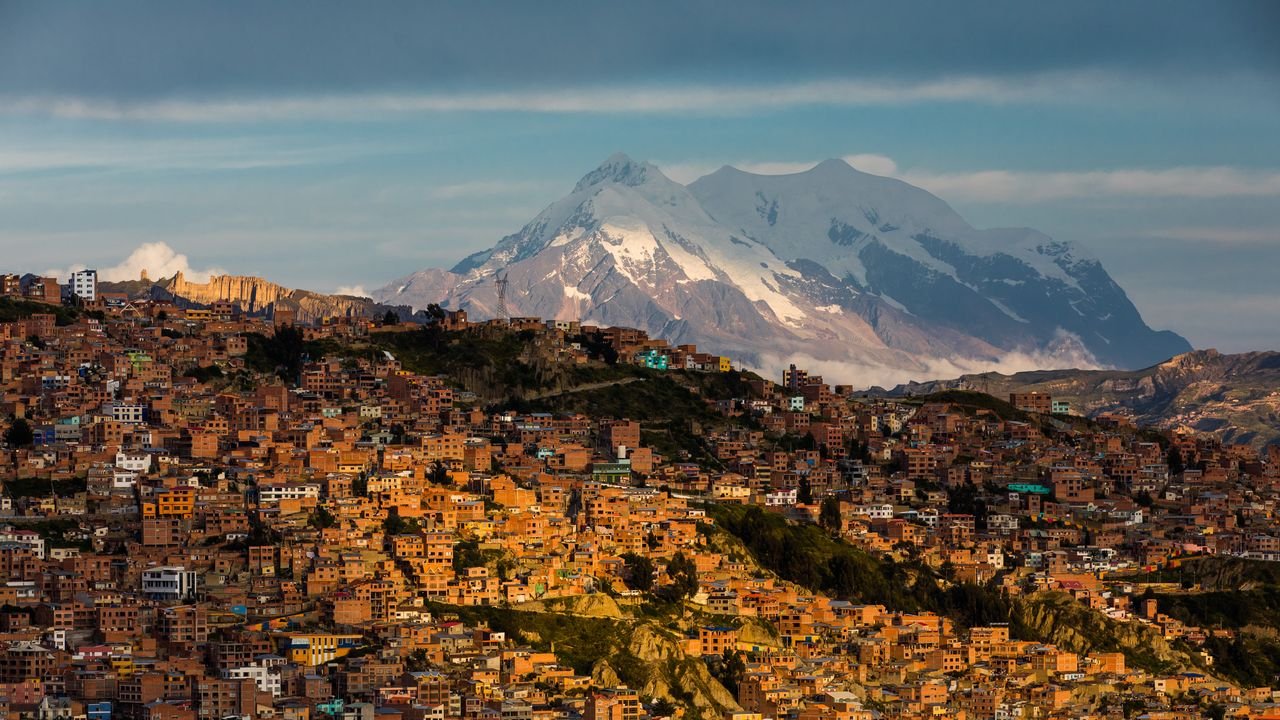
She added that her company recommends avoiding La Paz as a destination for now, or using it only as a transit point.
Similarly, rather than telling Americans to avoid Bolivia altogether, US officials are urging travelers to avoid protest areas, monitor local developments, prepare for transportation disruptions, and enroll in the Smart Traveler Enrollment Program (STEP) to get alerts from the US embassy or consulate.
Browne recommends checking in regularly with tour operators, hotels, and transportation providers before departure and throughout a trip, as conditions can change quickly. Travelers should also build additional flexibility into their schedules, particularly if they are moving between multiple destinations.
What to know about travel insurance
Travelers should also review the fine print of their travel insurance policies before departure, says Lee Thompson, co-founder of adventure tour operator Flash Pack.
“The point people miss is insurance,” Thompson says. “Once a government advises against travel to a region (meaning Level 3 or 4), most policies covering it stop being valid. So you’re not just weighing risk, you could be traveling completely uninsured.”
Travelers with trips booked independently may want to contact their insurer directly to understand exactly what is and isn’t covered before departing.
It’s worth noting that the State Department did also update its advisory in April to add a Level 4 “Do Not Travel” warning for the country’s Chapare Province, a coca-growing region in central Bolivia that has long faced issues related to narcotrafficking. The warning is unrelated to the current protest movement and applies to a Central Bolivia region that most international visitors are unlikely to encounter on a typical Bolivia itinerary.
For now, operators say Bolivia remains very much open to tourism. But visitors should arrive with realistic expectations about travel delays—and a willingness to adapt if plans need to change.