

“Israel will continue to protect itself,” Likud lawmaker Ariel Kallner told me, though he would not clarify whether that meant Israel would continue its attacks.
“We will do what we need to do. And we expect our friends to understand us,” he said. “Sometimes there are disagreements between allies, and allies should also understand their allies when they are in danger.”
Sima Shine, a former Mossad official and Iran specialist said: “It’s difficult to understand why the Americans accepted it.
“By allowing Iran to decide what will happen in Lebanon, the US is giving Iran the possibility to continue to support Hezbollah, and to make sure that Hezbollah is a major political actor in the Lebanese arena.
“Israel is not happy with that – neither the security establishment, nor the political,” she said.
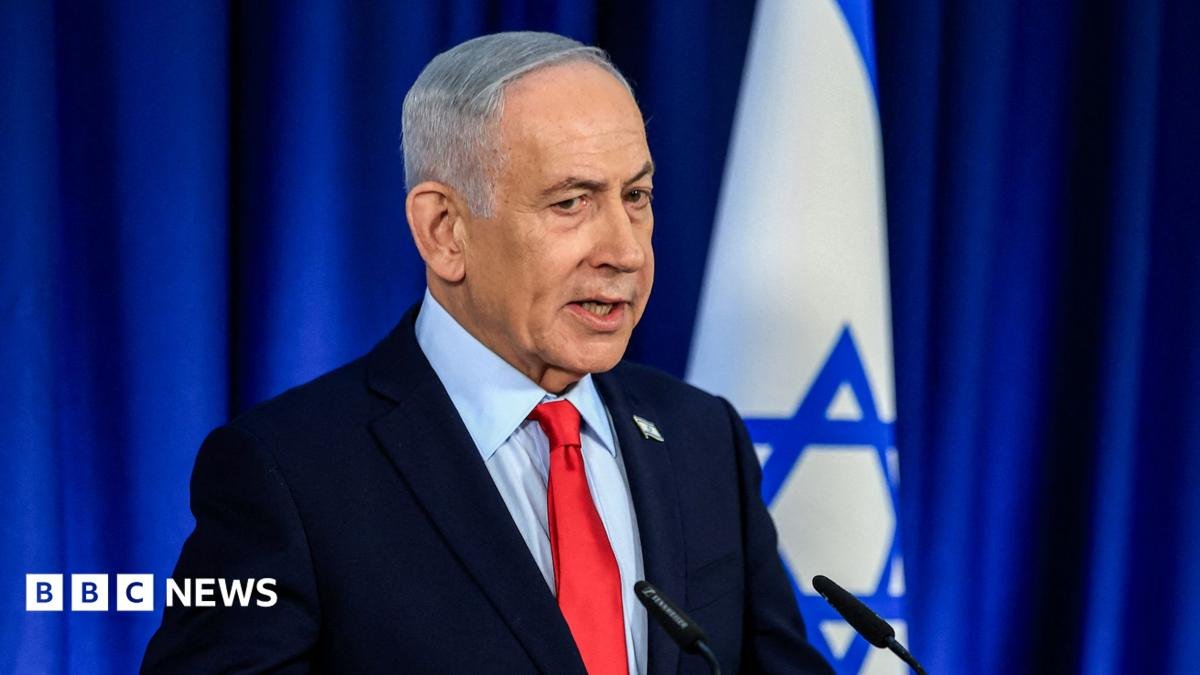
Amid the cacophony of criticism and outrage from across the political spectrum, Israel’s prime minister bristled at suggestions from journalists on Monday night that he had failed.
“I have devoted most of my adult life to one goal—preventing Iran from obtaining nuclear weapons,” he said during a press conference in Jerusalem.
“We will do what is necessary. I do not limit myself in any way on this goal: Iran will not have nuclear weapons.”
But he also admitted there were cases in which he and Trump saw things differently.
“I have expressed my views in discussions, but we have our own interests: first, no nuclear threat; second, Lebanon – we created a buffer zone and will remain there as long as necessary,” he said.
“Iran wanted us to withdraw – that did not happen. You know why? Because I stood very firm. Our American allies respect that determination. We also insist on preserving our operational freedom – if we are attacked or threatened, we respond.”
Often quick to claim victory, Israel’s prime minister now faces a difficult task in deciding his next steps.
Security has been the cornerstone of Netanyahu’s offering to voters for decades. That is an increasingly difficult message to deliver.
His response to the devastating Hamas-led attacks on 7 October 2023 was to shift Israel’s security policy to a more aggressive approach – pre-empting threats rather than containing them.
Changing the Middle East by removing the threats Israel faced was his solution to that crisis.
But even though Israeli forces have demolished much of Gaza and killed more than 73,000 people, according to the Hamas-run health ministry, Hamas is still in control of half the territory and reasserting its power there, while a US-brokered peace plan and a US-appointed administration for Gaza remain stuck in limbo, eight months after Israel and Hamas agreed a ceasefire.