Honda and LG Energy Solution are joining forces in Vietnam to expand battery-swapping electric motorcycles, with a new pilot project launching in Hanoi later this year.
The companies, along with the city of Hanoi, just signed a memorandum of understanding to deploy a battery swap network and electric two-wheeler fleet in the Vietnamese capital. The demonstration project is expected to begin in the third quarter of 2026 with around 50 swap stations and approximately 500 electric motorcycles and scooters, according to local media.
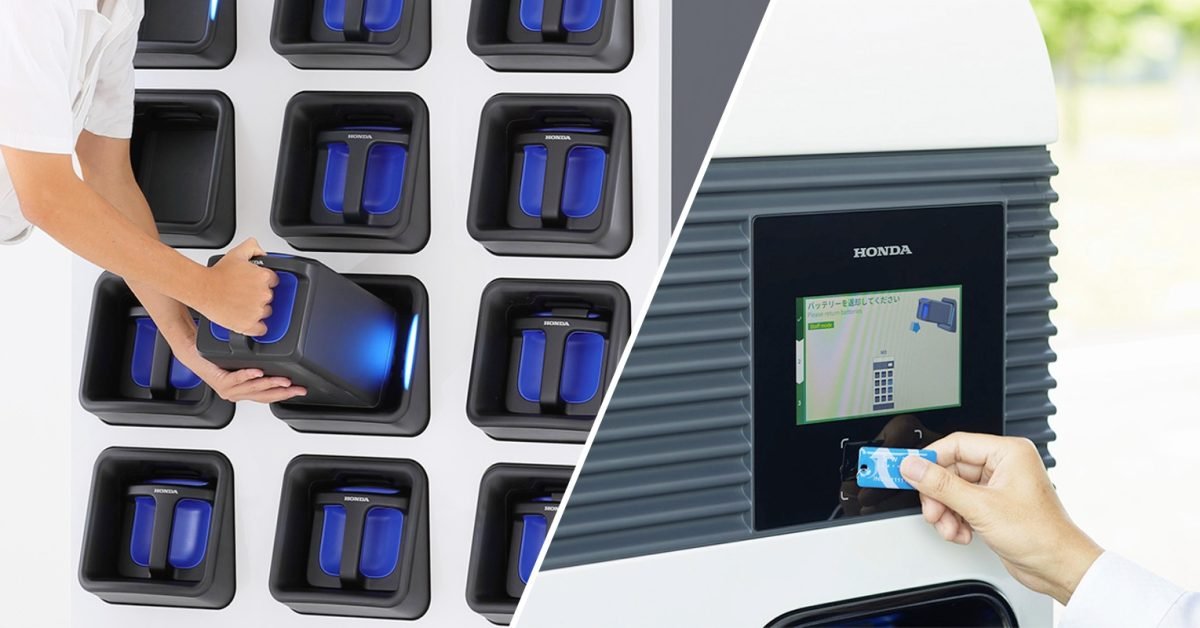
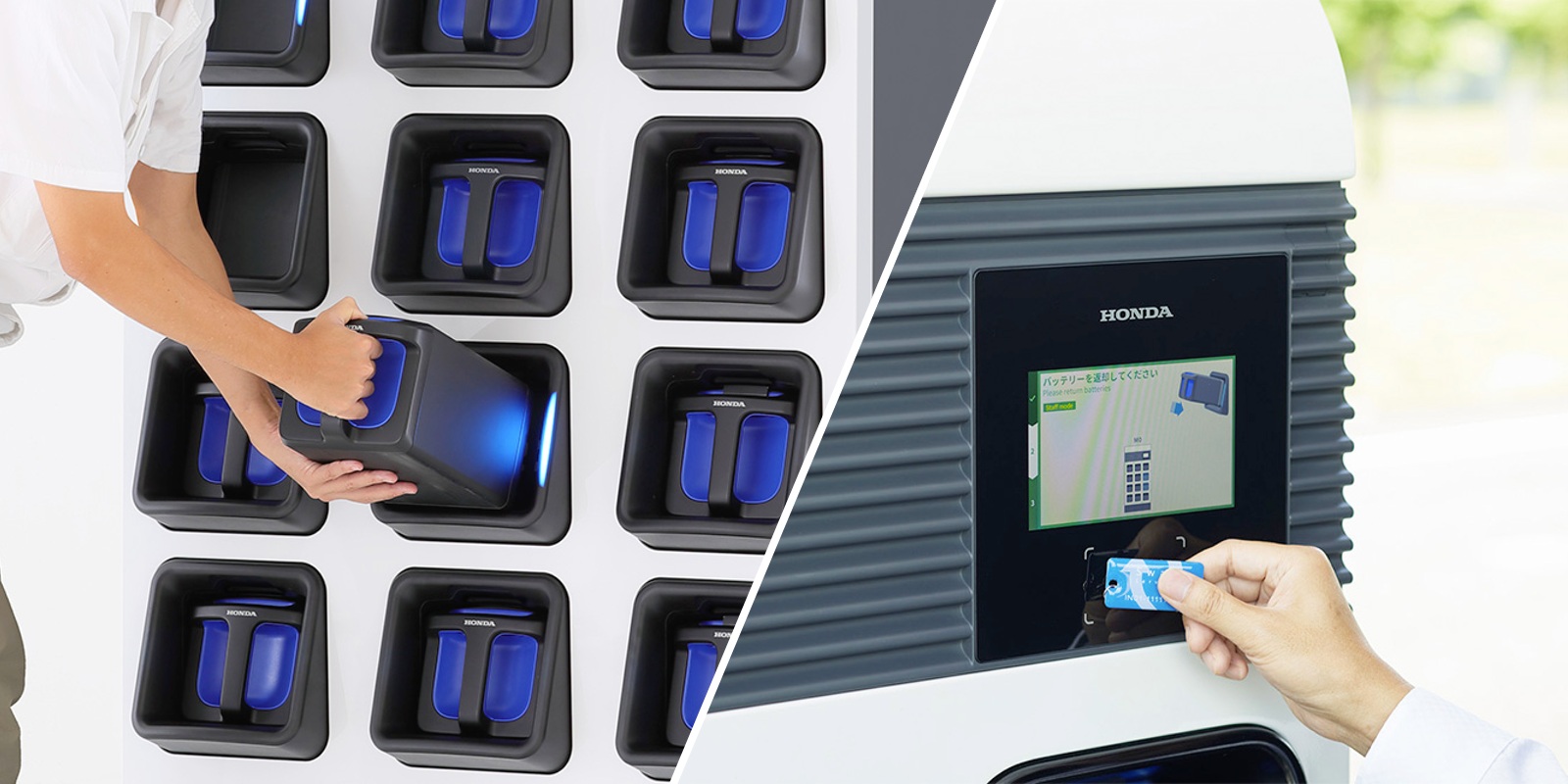
Under the agreement, each party has a fairly clear role. LG Energy Solution will supply the cylindrical 2170 battery cells and handle much of the backend infrastructure, including safety systems, swap station operations, and battery lifecycle management. Honda will provide the electric two-wheelers themselves along with its Mobile Power Pack e: (MPPe) swappable battery platform and swapping hardware. Hanoi city officials will help facilitate permits, local coordination, and policy support.
Honda has been pushing its swappable battery strategy for several years now through its MPPe platform, which is essentially a standardized removable battery pack designed to work across multiple electric scooters and motorcycles. The idea is simple: instead of waiting to recharge, riders swap depleted batteries for fresh ones in a matter of seconds. Honda has already experimented with the system in Japan, Indonesia, India, and Thailand, often alongside members of its swappable battery consortium that have attempted to coalesce around Honda’s competing standard.
LG Energy Solution, meanwhile, is one of the world’s largest battery manufacturers, supplying cells for everything from electric cars to small mobility vehicles. The Korean battery giant appears increasingly interested in the fast-growing Southeast Asian two-wheeler market, where battery swapping may prove more practical than home charging for many urban riders.
“Vietnam is the most critical country in Southeast Asia for the transition to electric two-wheelers,” said an LG Energy Solution representative. “Based on our differentiated technology that dramatically improves safety, usage time, and battery lifespan for two-wheelers, we will continue to contribute to the development of Vietnam’s eco-friendly transportation infrastructure.”
Vietnam, in particular, is quickly emerging as one of the most important battlegrounds for electric motorcycles and scooters. The country already has an enormous two-wheeler culture, with millions of gasoline scooters crowding city streets daily. But tightening emissions goals, worsening urban air pollution, and new government policies encouraging electrification are helping accelerate the shift toward EVs.
That makes Hanoi a logical testing ground. If battery swapping can succeed there – with its dense traffic, huge scooter ridership, and heavy daily usage patterns – it could become a model for other Southeast Asian cities looking to electrify urban transportation without relying entirely on traditional charging infrastructure.


FTC: We use income earning auto affiliate links. More.