

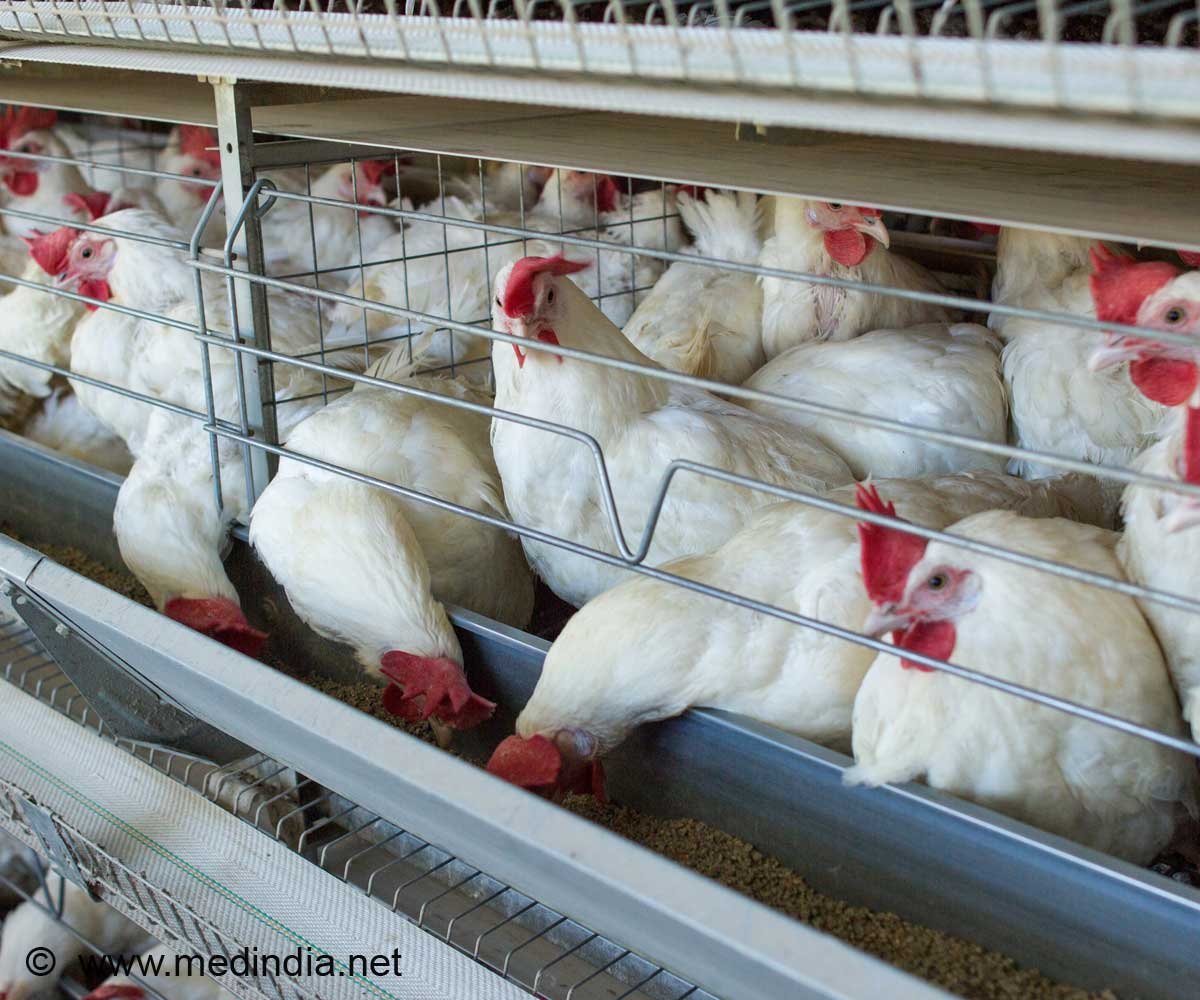
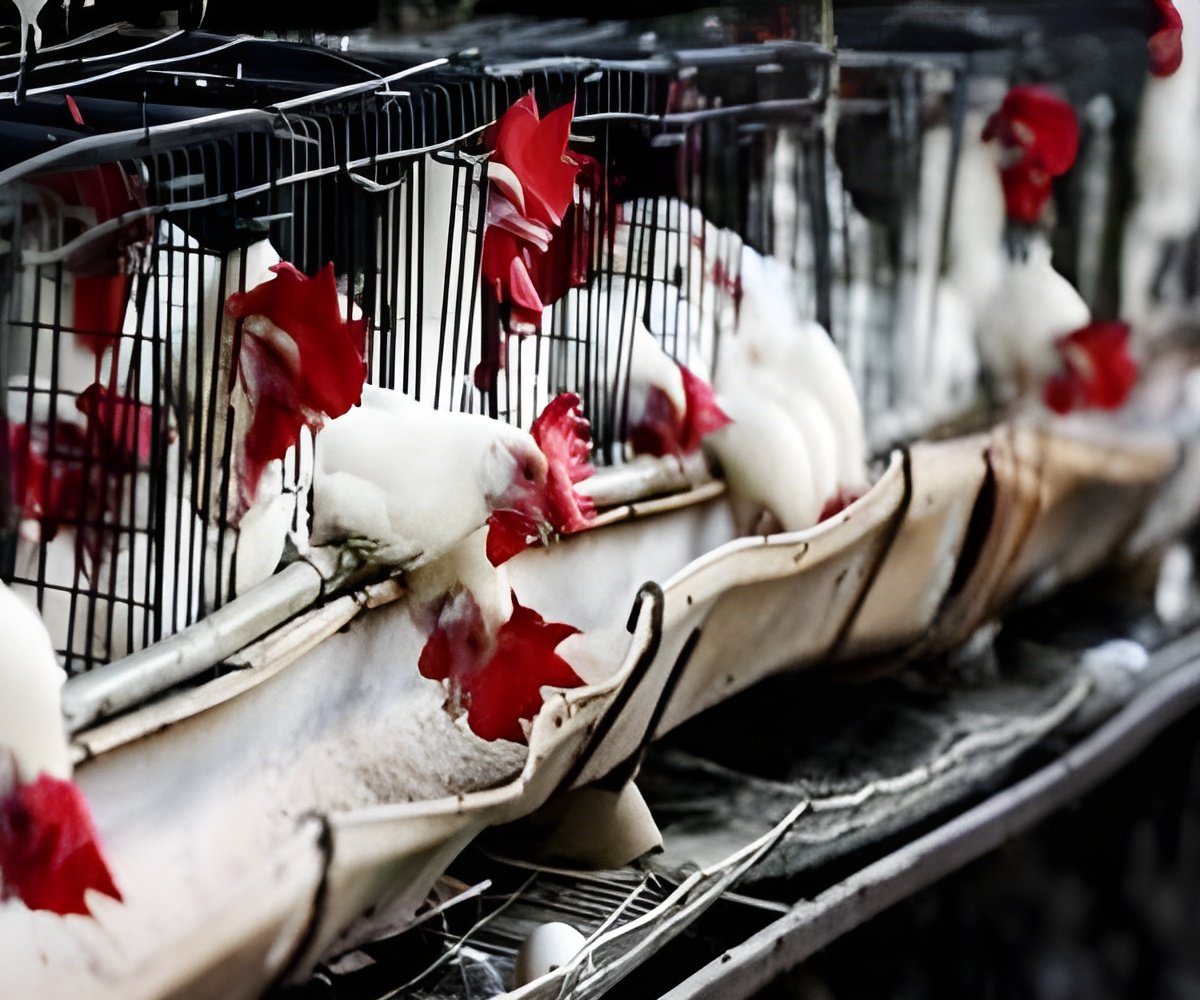
Australia’s first confirmed H5 bird flu case in a mammal has raised fresh concerns about the virus’s spread.
Australia is facing a new development in its H5 bird flu outbreak after the virus was confirmed in a long-nosed fur seal in South Australia, marking the country’s first confirmed H5 bird flu detection in a mainland mammal. The seal was found dead at Beachport, about 310 km south of Adelaide.
The development comes after H5 bird flu was first detected in Australia in June 2026 and subsequently spread among wild birds. A second suspected infection in a long-nosed fur seal has also been reported at Pages Conservation Park near Kangaroo Island, where a mass bird mortality event has occurred.
“Once the H5 bird flu is spreading in the natural environment, it is not possible to avoid significant losses,” federal Agriculture Minister Julie Collins said.
Advertisement
What Is H5 Bird Flu?
H5 bird flu refers to highly pathogenic avian influenza viruses belonging to the H5 group. One important strain circulating globally is H5N1.
Bird flu primarily affects birds, but certain strains can occasionally infect mammals. Scientists are closely monitoring these infections because changes in how a virus behaves or spreads between species can have implications for animal and human health.
Advertisement
How Did H5 Bird Flu Reach Australian Mammals?
The long-nosed fur seal found in South Australia is believed to have been exposed to infected wild birds or a contaminated environment shared with them.
Seals are considered particularly vulnerable because they live close to wild birds along coastal areas. Australia’s H5 strain has also been genetically linked to viruses detected on Heard Island, according to CSIRO analysis.
Advertisement
Why Is Bird Flu Spreading to Mammals a Concern?
The movement of H5 bird flu into mammals is important because it shows that the virus can cross species barriers.
Dr. Rajeev Jayadevan, former President of IMA Cochin and Convener of the Research Cell, Kerala, shared that since the H5 virus is primarily adapted to birds, the obvious concern is whether it can adapt to mammals.
While similar incidents globally in recent years are adding to the concern, he noted that infections in mammals show that the virus is taking steps towards infecting a wider range of living beings.
Although risks to humans continue to be low, Dr Rajeev said that it is vital to “keep a close watch on this evolution”.
“If this virus hypothetically gains the ability to spread efficiently among human beings, we are looking at a catastrophic pandemic. What makes a human pandemic so devastating is that our immune systems have no prior exposure to this virus.”
He noted that among the isolated human cases reported worldwide, the death rate is typically 50% or higher.
“A typical scenario for a bird-to-man jump of the virus would be a child who comes into contact with a sick hen in the backyard, or a farmer who handles dead birds without precautions,” Dr Rajeev warned.
How Can H5 Bird Flu Spread?
H5 bird flu can spread through contact with infected birds, their secretions or contaminated environments.
Wild birds, particularly migratory species, have played an important role in moving H5 viruses across regions. In Australia, genetic testing suggests that some early cases were closely related to viruses detected on Heard Island.
What Are the Symptoms of Bird Flu in Animals?
Symptoms can vary between species. In infected birds, signs may include:
• Sudden death
• Difficulty breathing
• Abnormal movement or coordination
• Weakness
• Reduced activity
In marine mammals, unusual illness, neurological signs, or unexplained deaths may prompt authorities to investigate for avian influenza.
People should not touch sick or dead wild animals or birds, as authorities investigate suspected bird flu cases.
How Can People Stay Safe?
The general public can reduce potential exposure by:
• Avoiding contact with sick or dead wild birds and mammals.
• Keeping pets away from sick or dead wildlife.
• Following local public-health and animal-health advisories.
• Reporting unusual wildlife deaths to the relevant authorities.
Using appropriate protective measures if contact with potentially infected animals is unavoidable.
Conclusion
The detection of H5 bird flu in a long-nosed fur seal marks a significant development in Australia’s outbreak and highlights the virus’s ability to move from birds into mammals. However, experts currently consider the risk to humans low. Continued wildlife surveillance, biosecurity and genetic monitoring will be important to understand how the virus evolves and spreads.
Reference:
- Expert Commentary: What do we know about H5 bird flu?
–(https://www.csiro.au/en/news/All/Articles/2026/August/Bird-flu-expert-commentary) - A(H5) Bird Flu: Current Situation – (https://www.cdc.gov/bird-flu/situation-summary/index.html)
Source-Medindia