

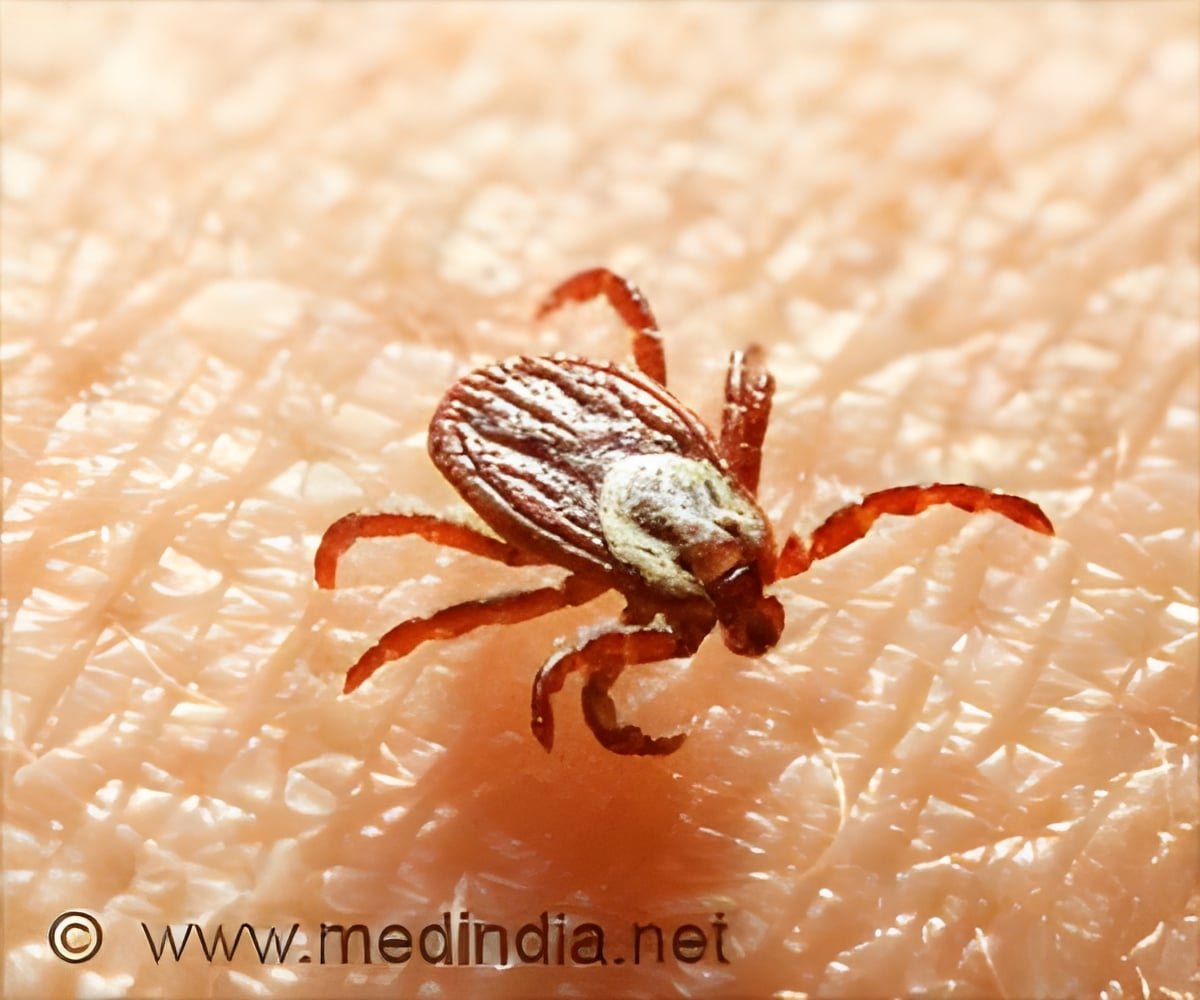
A tick bite during a holiday in Greece led to tick-borne encephalitis, leaving a Welsh woman in a medically induced coma for 42 days.
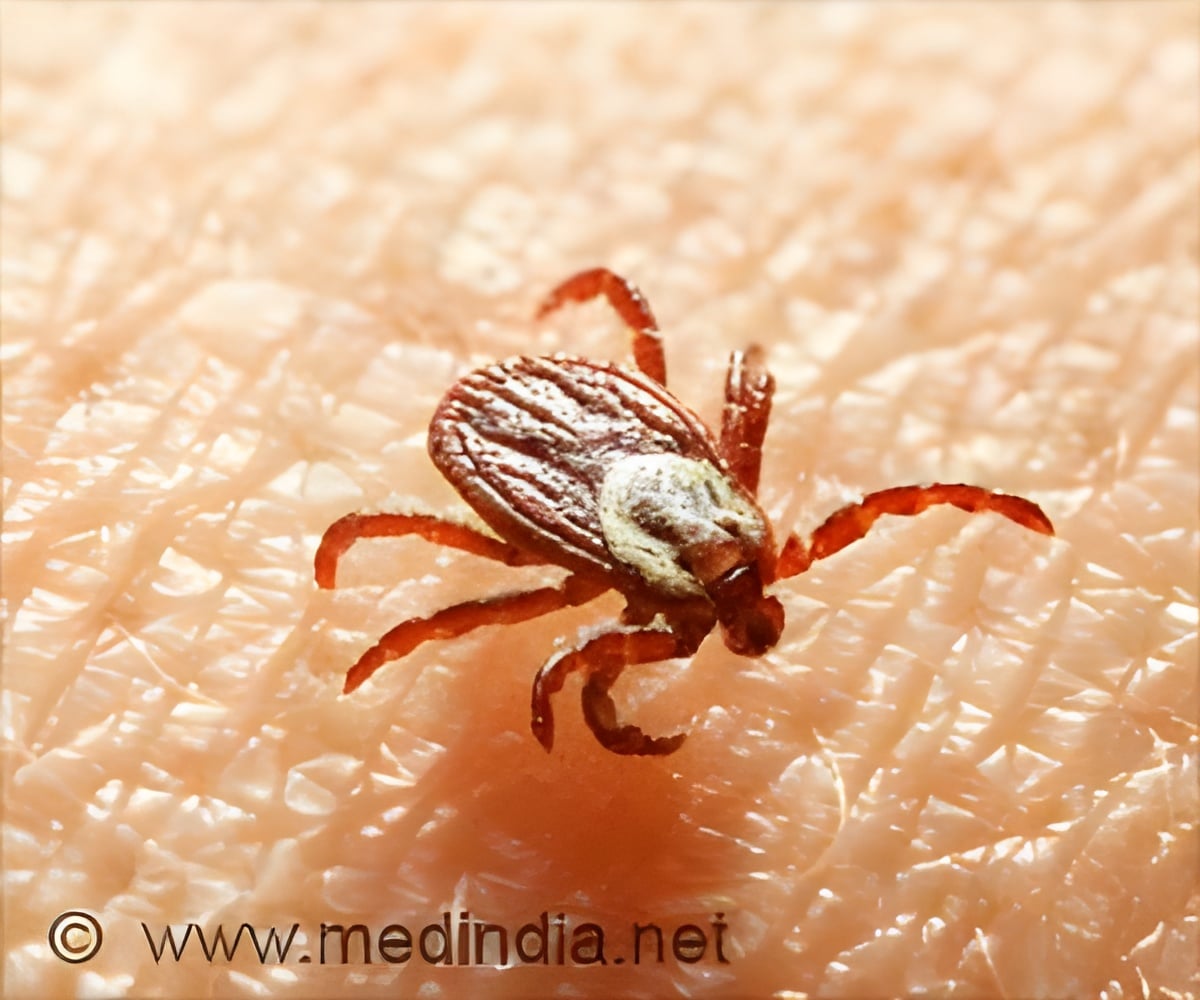
What began as a dream holiday in Greece turned into a life-changing medical emergency for a 51-year-old woman from Wales. A single tick bite exposed her to tick-borne encephalitis (TBE), a viral infection that causes brain inflammation, leaving her in a medically induced coma for 42 days. Although she survived, the illness permanently changed her life, highlighting how an unnoticed tick bite can sometimes lead to serious neurological disease in regions where the virus circulates.
Initially believing she had a flu-like illness after returning from the Greek island of Syros in 2019, her condition rapidly deteriorated with night seizures, prompting emergency medical care. She was transferred to The Walton Centre in Liverpool, where specialists diagnosed tick-borne encephalitis. Today, despite living with persistent memory loss and occasional seizures, she continues to share her story to encourage greater awareness of tick-borne diseases among travelers.
Advertisement
Tick Bite in Greece Triggered a Rare Brain Infection
Victoria Stellas, 51, was on vacation in Syros, an island in Greece, in 2019 when she began experiencing flu-like symptoms after being bitten, though she didn’t realize the cause at the time.
When she returned home to Anglesey in Wales, she started having night seizures and went to the hospital.
After she had an MRI scan, she was flown by helicopter to the Walton Centre in Liverpool, where she was placed in an induced coma for 42 days.
She was diagnosed with tick-borne encephalitis (TBE), a potentially fatal condition that causes inflammation of the brain.
Advertisement
Tick-Borne Encephalitis Symptoms, Causes, and Risks Explained
According to the Centers for Disease Control and Prevention (CDC), tick-borne encephalitis (TBE) is a viral disease spread through the bite of infected ticks in parts of Europe and Asia. While many infected people experience mild flu-like illness or no symptoms, others can develop severe neurological complications, including brain inflammation, seizures, confusion, paralysis, memory problems, and long-term disability (1✔ ✔Trusted Source
Centers for Disease Control and Prevention (CDC). Tick-Borne Encephalitis (TBE)
).
“Altogether it was about six months from when I was in hospital, the treatment afterwards. It’s changed my life completely … I don’t go out as much.”
Because of the memory loss she still experiences, she was unable to keep her jobs at a bar and as a teacher’s aide at a special education school.
“Tell me a job that doesn’t require memory? Everything you do in life requires a memory.”
“When I returned home … I couldn’t remember the names of children in different classes and staff.”
“I would recognize everyone but not the names and that’s still a problem to this day.”
She now needs to take between 15 and 18 tablets a day, but said that her night seizures aren’t as regular as they used to be.
Advertisement
Tick Bite Prevention Tips for Travelers Visiting Europe
The Centers for Disease Control and Prevention (CDC) recommends vaccination for eligible travelers visiting areas where tick-borne encephalitis is common, along with measures such as using insect repellents, wearing long sleeves and long trousers, and checking for ticks after spending time outdoors.
Stellas, who returns to Greece each year after moving to Wales as a child, said she had not known that a vaccine against the disease existed before she became ill.
She now shares her experience with students at Bangor University, hoping others will be better informed before travelling to regions where the virus is present.
“I’m lucky to have my family and my friends who’ve supported me throughout the years.”
Her mother added, “Insect bites can cause profound change in your life. I don’t think people are aware of it.”
Her recovery journey has been long, but by speaking openly about her experience, she hopes more travelers will recognize the importance of understanding local health risks before visiting endemic areas. Her story serves as a reminder that awareness, timely diagnosis, and preventive measures can make a meaningful difference while allowing people to continue exploring the world safely.
Reference:
- Centers for Disease Control and Prevention (CDC). Tick-Borne Encephalitis (TBE) – (https://www.cdc.gov/tick-borne-encephalitis/)
Source-Medindia