

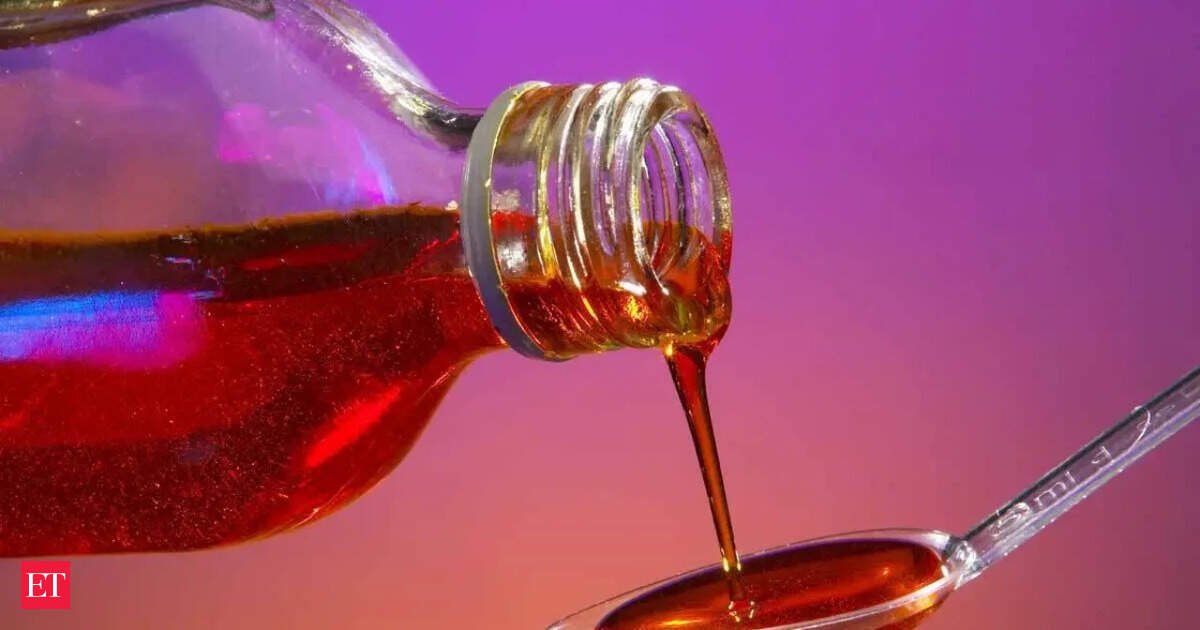
Even in small villages with a population of less than 1,000, where certain remedies including cough syrups were allowed to be sold without retail sale licences so far, now only duly licensed pharmacies can dispense cough syrups.
The exemption was given under entry number 13 of Schedule K of the Drugs and Cosmetics Act, 1945 to household remedies including Aspirin tablets, paracetamol tablets, analgesic balms, antacid preparations, gripe water for use of infants and cough syrups.

“In view of the recent incidents due to contaminated cough syrup, it is proposed that the exemption provided for the sale of syrups for cough may be deleted,” a government document read. ET has seen a copy of the document. The move is widely seen as part of a broader crackdown on misuse of cough syrups, several variants of which have come under scanner in recent years for being abused as intoxicants, particularly among the youth.
Regulatory authorities have flagged repeated instances of codeine-based cough syrups being sold without prescriptions, often in bulk quantities, raising serious public health concerns. The All India Organisation of Chemists and Druggists (AIOCD) on Tuesday welcomed the government’s move, calling it a positive step toward responsible medicine distribution and closing regulatory loopholes. The AIOCD president has urged the government to undertake a comprehensive review of Schedule K in consultation with stakeholders including regulators, healthcare professionals, pharmacists, and patient groups to prevent misuse, ensure a level field, and safeguard public health.

The organisation has also issued an advisory to its member associations nationwide to strictly comply with statutory provisions governing medicine sales, particularly for cough syrups and other prescription medicines. The removal of syrups from the exempted list marks a notable shift in the regulatory framework that had remained largely unchanged for decades.