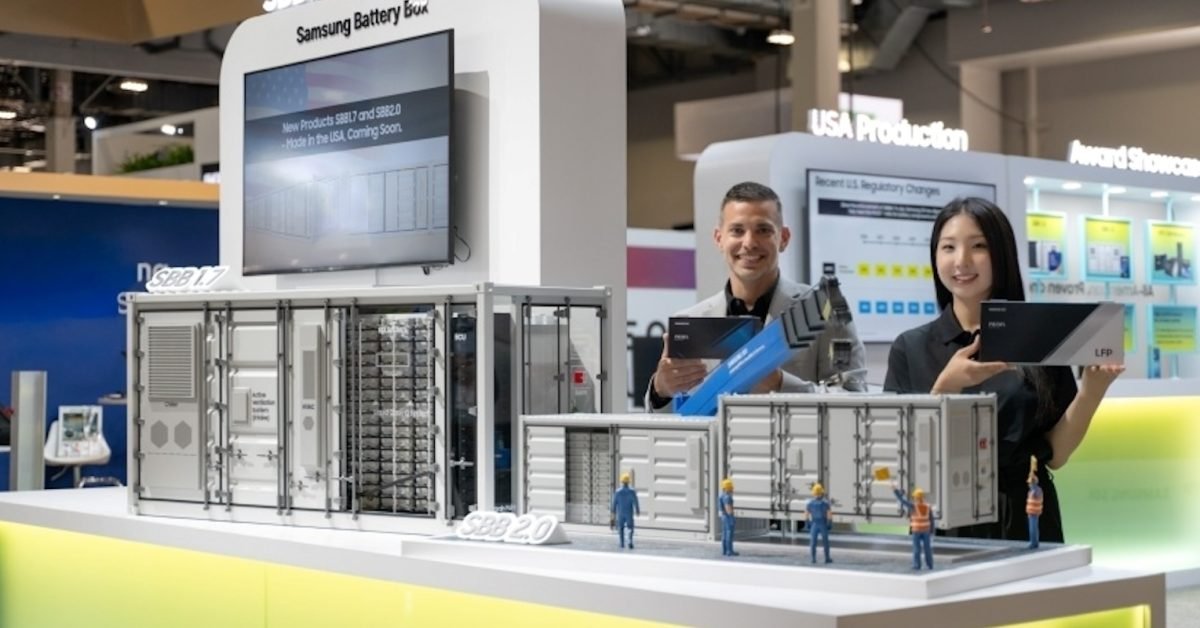
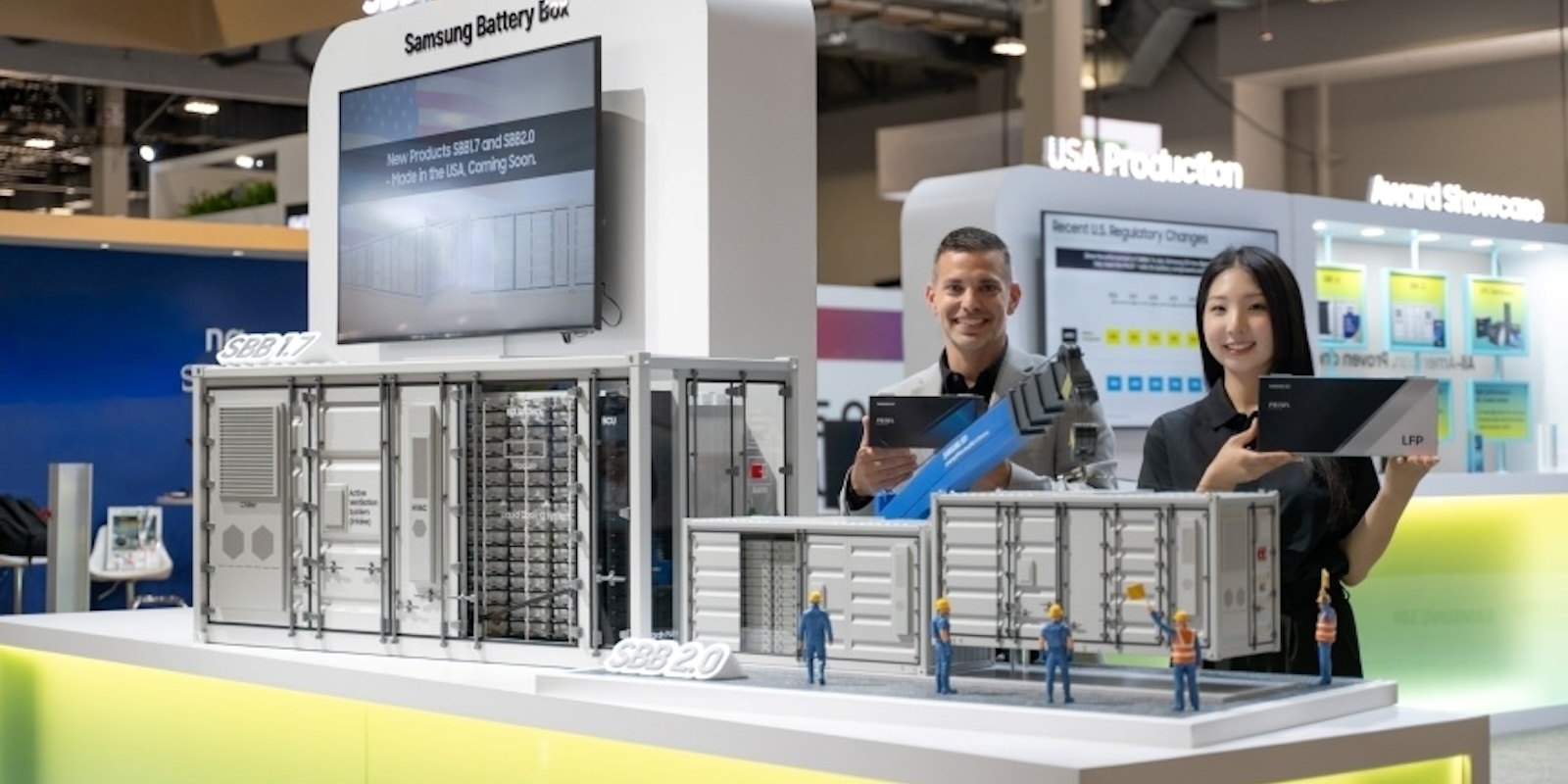
Samsung SDI is taking full control of its Indiana battery plant. The South Korean cell maker is buying out General Motors’ 49.99% stake in their joint venture, according to a regulatory filing, ending GM’s ownership in the $3.5 billion factory.
That turns the New Carlisle, Indiana plant into Samsung SDI’s first wholly owned battery factory in North America.
A joint venture that lasted about two years
GM and Samsung SDI first announced the partnership in April 2023 and finalized the $3.5 billion joint venture in 2024. The plan was a 680-acre site in New Carlisle producing NCA-based, nickel-rich prismatic cells under Samsung’s PRiMX brand, with 27 GWh of annual capacity to start and room to scale to 36 GWh. Mass production was slated for 2027, alongside more than 1,600 jobs.
It was the second Samsung SDI battery plant tied to a US automaker after its Stellantis joint venture, and part of a wave of gigafactory announcements that assumed US EV sales would keep climbing through the decade.
They didn’t climb fast enough.
Samsung SDI buys the whole thing
Under the deal, Samsung SDI acquires GM’s 49.99% holding in the venture, filed under the name SDI-GM Synergy Cells Holdings, and converts it into a wholly owned subsidiary. The purchase price wasn’t disclosed.
Samsung SDI tied the move directly to the market. “The ownership change was made in consideration of market changes since the joint venture was announced, including the slower-than-expected growth of EV demand,” the company said.
The two aren’t cutting ties completely. Samsung SDI and GM signed a separate agreement to jointly develop next-generation prismatic batteries for potential future EV use. GM keeps a supply relationship; it just no longer owns the plant.
There’s also a tell in what Samsung SDI plans to do with the factory now that it owns it outright: add an energy storage system (ESS) battery line. That lines up with the company’s pivot from EV cells toward stationary storage in the US, which we covered in December, as grid-scale and data-center demand outpaces the US’s abysmal EV take rate compared with the rest of the world.
Investors weren’t thrilled about Samsung SDI absorbing the risk on its own. Shares fell roughly 4.5% on the news.
The tax credit is the backdrop
The timing isn’t a coincidence. US automakers cut EV production after the $7,500 federal tax credit ended on September 30, 2025, and the demand hangover has been rippling through the battery supply chain ever since.
GM has felt it directly. The automaker took a roughly $6 billion charge as it scaled back EV production plans, and its other big battery bet, the Ultium Cells venture with LG Energy Solution, has spent the past year idling and recalling workers as output plans shift. Now GM is handing a battery plant to its partner rather than funding it.
So this is GM stepping back from owning battery manufacturing at the exact moment it’s most exposed to soft demand, and Samsung SDI betting it can repurpose the capacity toward storage.
Electrek’s Take
GM is famously quick to follow political winds in the US rather than staying course firmly toward electrification.
GM committed to a wall of battery capacity when Washington was paying buyers $7,500 to take EVs off lots. Pull the credit, and GM was quick to pump the brakes.
However, it’s not all bad. At least, the factory is still happening. Rather than keep pouring money into a plant it half-owned, GM is offloading the equity to Samsung SDI and keeping only a supply and co-development arrangement. It’s the cheaper, lower-risk position, and it tells you how confident GM is about near-term US EV volume. Not very.
For Samsung SDI, the interesting part is the ESS line. The company all but told us in December that its US future is stationary storage, not just EV cells, and taking full control of New Carlisle gives it a plant it can flex toward whichever demand actually shows up. Grid storage and AI data centers are screaming for cells right now. US EV buyers, post-credit, are not.
If you’re powering an EV, or just trying to get ahead of rising electricity bills, home solar and battery storage are the most direct way to lock in your own energy costs. With electricity rates up almost 10% last year and expected to keep climbing, going solar is one of the best ways to protect yourself against rising costs. And with lease and PPA options, you can do it with zero upfront cost and start saving immediately. If you want to find the best deal, check out EnergySage. It’s a free service with hundreds of pre-vetted installers competing for your business, so you save 20 to 30% compared to going it alone. No sales calls until you pick an installer. Get your free quotes here.


FTC: We use income earning auto affiliate links. More.