

Close Menu

    Subscribe to Updates

    Get the latest news information from worldwide businesses.

    What's Hot

    What is the Andes strain of hantavirus that spreads from person to person?

    May 14, 2026

    Paleontology rocked by discovery of organic molecules in 66-million-year-old dinosaur bones

    May 14, 2026

    The first breath, at scale: on Nationwide Neonatal Resuscitation Program Day 2026

    May 14, 2026
    Facebook Instagram YouTube LinkedIn X (Twitter)
    Trending
    • What is the Andes strain of hantavirus that spreads from person to person?
    • Paleontology rocked by discovery of organic molecules in 66-million-year-old dinosaur bones
    • The first breath, at scale: on Nationwide Neonatal Resuscitation Program Day 2026
    • Menopause Linked to Mental Health Changes and Gray Matter Loss Unmitigated by HRT: Study
    • OpenAI says hackers stole some data after latest code security issue
    • Marginal utilisation of gold quota under UAE trade deal: Official
    • Who is making decisions in Iran?
    • Paediatrician in Germany charged with 130 counts of sexual abuse | Germany
    Newspublicly
    • About Us
    • Advertise & Partner with us
    • Pitch Your Story
    • Contact Us
    Facebook Instagram LinkedIn X (Twitter)
    Subscribe
    • Home
    • World News
      • Asia
      • India
      • USA
      • UK & Europe
      • Middle East
    • Economy & Business
      • Global Economy
      • Corporate & Industry
      • Finance & Markets
      • Policy & Trade
    • Technology
      • Gadgets & Devices
      • Software & Apps
      • AI & Machine Learning
      • Robotics & Automation
    • Health & Medicine
      • Fitness & Nutrition
      • Research & Innovation
      • Disease & Treatment
      • Doctors, Clinics & Patient Care
    • Travel & Tourism
    • Automobile
      • Electric & Hybrid Vehicles
      • Auto Industry Insights
    • Sports
    • More
      • Education
      • Real Estate
      • Environment & Climate
      • Space & Astronomy
      • War & Conflicts
    Newspublicly
    Home»Health & Medicine»Research & Innovation»Giant “stealth” magma surge triggered thousands of earthquakes beneath Atlantic island
    Research & Innovation

    Giant “stealth” magma surge triggered thousands of earthquakes beneath Atlantic island

    digitalixcomm@gmail.comBy digitalixcomm@gmail.comMay 14, 2026No Comments4 Mins Read0 Views
    Share
    Facebook Twitter LinkedIn Copy Link WhatsApp


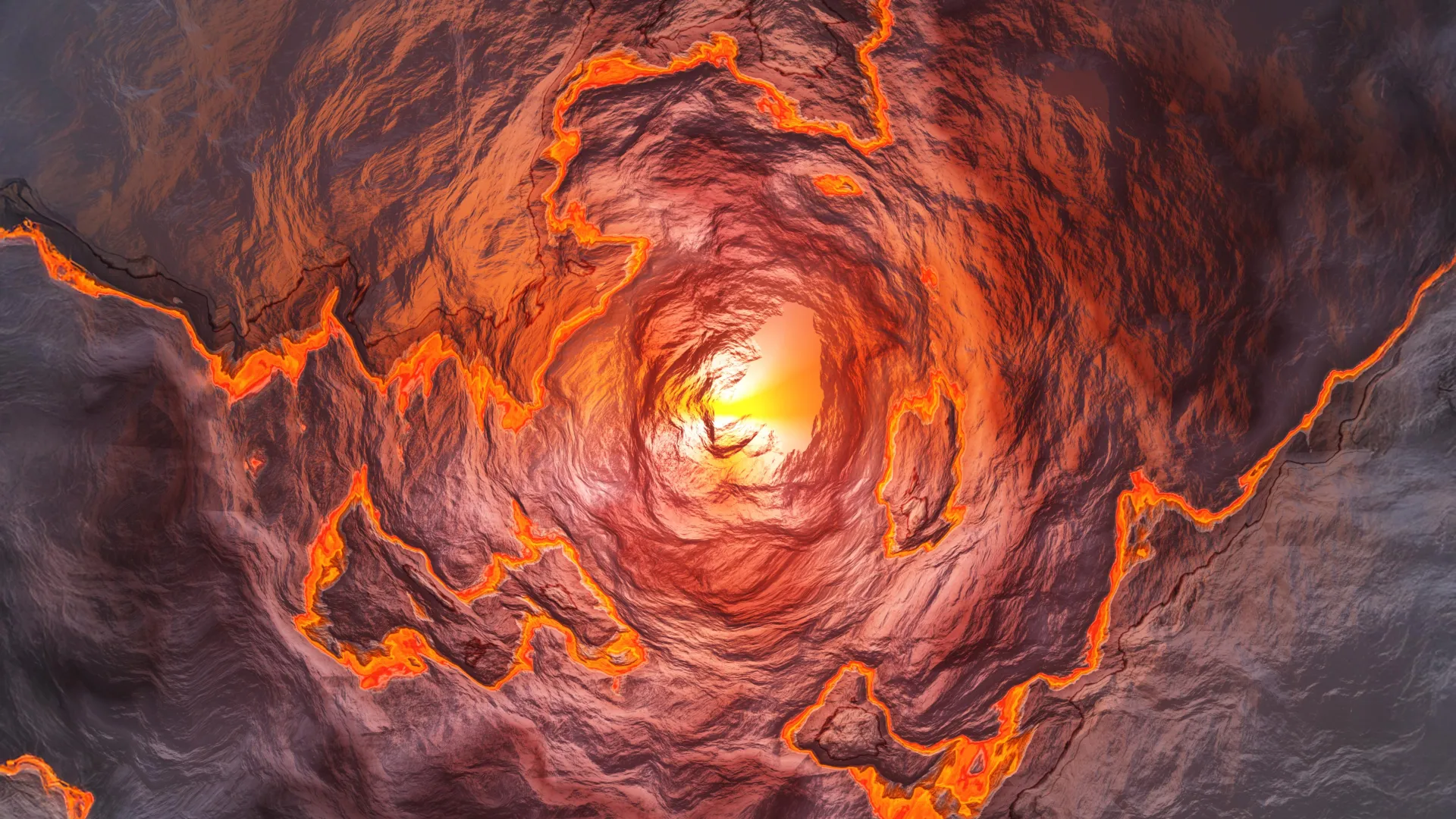
    In March 2022, thousands of earthquakes rattled São Jorge Island in Portugal’s Azores archipelago after a huge body of magma (molten rock) surged upward from deep underground, according to a new study led by researchers at UCL (University College London). The magma traveled from more than 20 kilometers beneath Earth’s surface before stopping just 1.6 kilometers below the island, narrowly avoiding an eruption.

    Researchers found that much of the magma’s rise happened quietly, with relatively little seismic activity during its ascent. Most of the earthquakes struck only after the magma stopped moving upward. The enormous intrusion unfolded within just a few days and involved enough magma to fill roughly 32,000 Olympic-sized swimming pools.

    Lead author Dr. Stephen Hicks of UCL Earth Sciences said: “This was a stealthy intrusion. Magma moved quickly through the crust, but much of its journey was silent, making it difficult to forecast whether an eruption would occur.”

    Scientists Reconstruct the Hidden Magma Movement

    The research, published in Nature Communications, involved an international team that combined several methods to track the magma’s underground path. Scientists used seismometers placed both on land and on the Atlantic seafloor to pinpoint earthquake activity. They also analyzed satellite and GPS measurements to monitor how the island’s surface shifted during the event.

    Satellite data revealed that the ground above the volcano rose by about 6 centimeters, confirming that magma had entered the shallow crust beneath the island. However, the magma never broke through to the surface, creating what scientists call a “failed eruption.”

    These underground intrusions are important because they help build and reshape volcanic islands over time. Researchers say the highly detailed earthquake maps produced during the study provide new insight into how those geological changes happen.

    Fault Zone May Have Prevented an Eruption

    The magma traveled upward through one of São Jorge Island’s major fault systems known as the Pico do Carvão Fault Zone. Earlier geological studies had shown that this fault has produced powerful earthquakes in the past. During the 2022 unrest, however, the rising magma triggered thousands of smaller earthquakes clustered along the fault rather than one major quake.

    The researchers concluded that the fault zone likely acted as a pathway that guided the magma upward. At the same time, it may also have allowed gases and fluids to escape sideways, reducing pressure within the magma and preventing it from erupting.

    Lead author Dr. Pablo J. González from the Spanish National Research Council (IPNA-CSIC) in Tenerife said: “The fault acted like both a highway and a leak. It helped magma rise, but may also have prevented an eruption.”

    New Clues for Volcano Forecasting

    The findings suggest that large magma intrusions can happen rapidly and with limited warning signs. The study also highlights how major geological faults can strongly influence whether magma erupts or becomes trapped underground. Researchers say these insights could improve future volcanic hazard forecasting.

    Dr. Ricardo Ramalho of Cardiff University, a co-author of the study, said: “This study supported local authorities in assessing a potential volcanic threat, highlighting the value of combining onshore and offshore geophysical data for accurate detection and localisation of seismic events and ground deformation.”

    Professor Ana Ferreira of UCL Earth Sciences added: “Securing urgent NERC funding to access equipment from its Geophysical Equipment Facility (GEF), alongside additional support from Portugal, was a tremendous collective effort and a clear example of transnational cooperation between academic and civil institutions in Portugal, the UK, and Spain.”

    The project received funding from the Natural Environment Research Council (NERC; UK), the European Research Council (ERC), Fundação para a Ciência e a Tecnologia (FCT; Portugal), Agencia Estatal de Investigación (Spain), and the Regional Government of the Azores. Offshore deployment support was provided by the Portuguese Navy (Marinha Portuguesa), while geophysical equipment came from NERC’s Geophysical Equipment Facility (GEF).

    Institutions involved in the research included UCL, Spanish National Research Council (IPNA-CSIC), Cardiff University, University of Manchester, Universidade de Lisboa (Portugal), Instituto Politécnico de Lisboa (Portugal), University of Évora (Portugal), University of Beira Interior (Portugal), Centro de Informação e Vigilância Sismovulcânica dos Açores (CIVISA; Portugal), Research Institute for Volcanology and Risk Assessment (IVAR), University of the Azores (UAc), University of Algarve (Portugal), Instituto Português do Mar e da Atmosfera (IPMA; Portugal), AIR Centre (Portugal), and C4G (Portugal).


    Source link

    Author

    • digitalixcomm@gmail.com

      NewsPublicly.com is News & Articles Platform that creating SEO-focused articles on travel, lifestyle, and digital trends.

    digitalixcomm@gmail.com
    • Website

    NewsPublicly.com is News & Articles Platform that creating SEO-focused articles on travel, lifestyle, and digital trends.

    Related Posts

    Paleontology rocked by discovery of organic molecules in 66-million-year-old dinosaur bones

    May 14, 2026

    After 100 years, scientists finally uncover hidden rule behind cosmic rays

    May 14, 2026

    Scientists say a daily multivitamin may help slow aging

    May 14, 2026
    Leave A Reply Cancel Reply

    Demo
    Top Posts

    “Inside Gemini Robotics 1.5: How Robots Learn to Reason & Act

    November 22, 202524 Views

    How US Tariffs Are Reshaping the Global Growth Landscape?

    November 21, 202518 Views

    Pakistani Journalist Laughing at Tejas Fighter Jet Crash at Dubai Airshow Sparks Massive Outrage Worldwide

    November 23, 202517 Views

    Vibe-Coding Boom: How Non-Coders Build Apps With AI Agents

    November 22, 202515 Views
    Don't Miss

    What is the Andes strain of hantavirus that spreads from person to person?

    May 14, 20265 Mins Read0 Views

    A few passengers on a Dutch cruise ship — the MV Hondius vessel — from…

    Paleontology rocked by discovery of organic molecules in 66-million-year-old dinosaur bones

    May 14, 2026

    The first breath, at scale: on Nationwide Neonatal Resuscitation Program Day 2026

    May 14, 2026

    Menopause Linked to Mental Health Changes and Gray Matter Loss Unmitigated by HRT: Study

    May 14, 2026
    Stay In Touch
    • Facebook
    • Twitter
    • Instagram
    • YouTube
    • LinkedIn
    • WhatsApp

    Subscribe to Updates

    Get the latest creative news from SmartMag about art & design.

    Demo
    NEWSPUBLICLY
    Facebook X (Twitter) Instagram LinkedIn

    Home

    • About Us
    • Leadership
    • Advertise & Partner With Us
    • Pitch Your Story
    • Media Kit & Pricing
    • Career
    • FAQs

    Guidelines

    • Editorial & Submission
    • Partnership
    • Advertising & Sponsor
    • Intellectual Property Policy
    • Community & Comment
    • Security & Data Protection
    • Send Your Opinion

    Quick Links

    • Cookie Policy
    • Payment & Billing Terms
    • Refund & Cancellation
    • Copyright Policy
    • Complaint & Support
    • Sitemap
    • Contact Us

    Subscribe Us

    Get the latest news and updates!

    Copyright © 2026 Newspublicly (DIGITALIX COMMUNICATION). All Rights Reserved.
    • Privacy Policy
    • Terms of Use
    • Disclaimer