Ford will introduce five new vehicles, including an electrified Bronco and several new EVs, as part of its plans to revive the struggling brand in Europe.
Ford plans five new vehicles, EVs for Europe
Over the next three years, Ford will introduce five new passenger vehicles, designed and produced for European buyers.
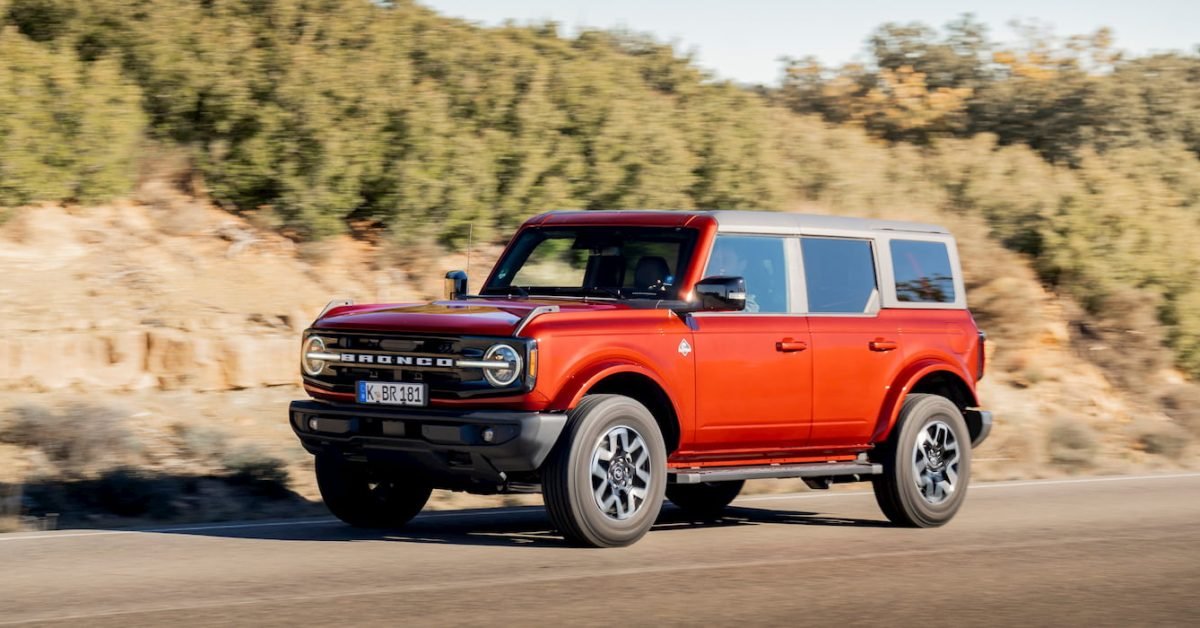
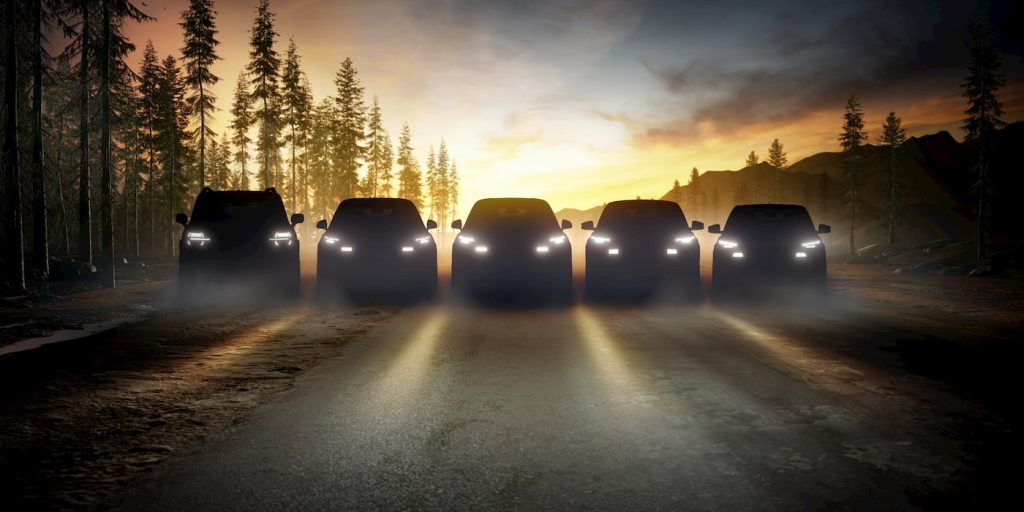
The “new era for Ford passenger vehicles in Europe” will include a rugged new “multi-energy” Bronco SUV, a small electric hatch, a fully electric SUV, and two additional multi-energy crossover SUVs.
Ford said the upcoming lineup will “deliver multi-energy vehicles where thrill and adventure coexist with control and precision,” crafted in Europe to tackle Europe’s winding roads, cobblestoned streets, and alpine passes.
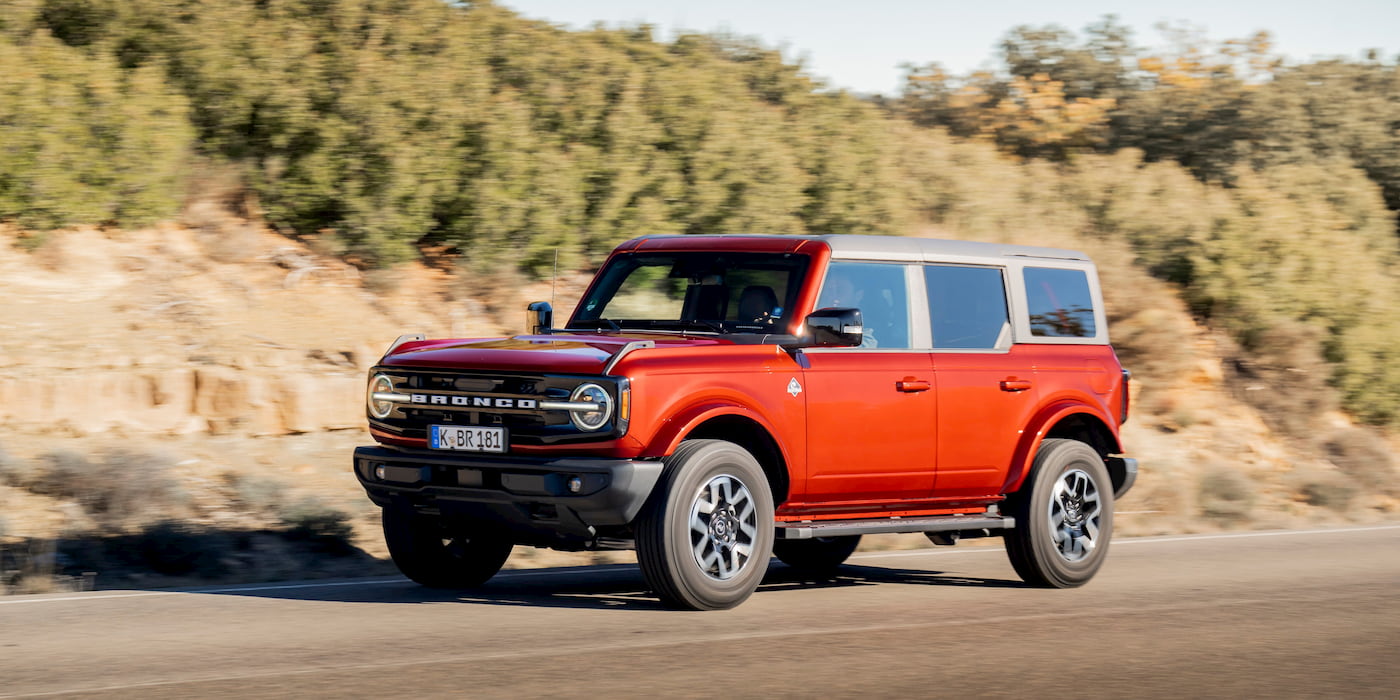
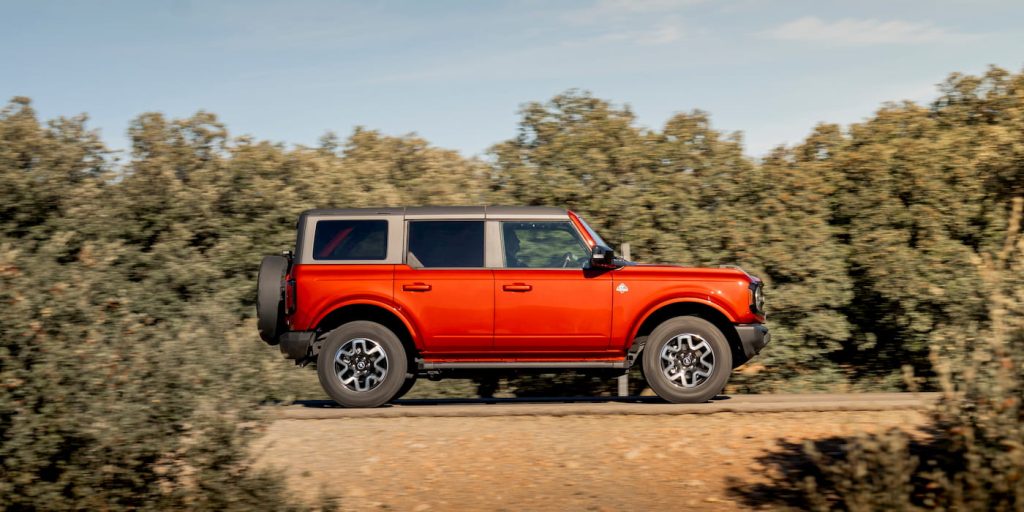
Ford’s offensive will begin with a rugged compact SUV using the iconic Bronco nameplate. While Ford called it a multi-energy vehicle, previous reports claimed the Bronco would launch as a plug-in hybrid (PHEV). The electrified Bronco will be built at its Valencia assembly plant in Spain from 2028.
The SUV is expected to use the same plug-in hybrid platform as the Kuga PHEV. As Autocar previously reported, the SUV will likely be around the size of the Ford Bronco Sport sold in the US with a two-box design.
Several new EVs are also set to join the lineup, including a small electric hatch (possibly using the Fiesta name) and a crossover SUV, both of which will be produced through its partnership with Renault.
Ford said both EVs will offer its “rally-bred” design and signature driving dynamics to differentiate them from the Renault 4 and 5.
By the end of 2029, two additional multi-energy rally-bred crossovers will complete the lineup. It’s unclear what platform they will use, but Jim Baumbick, president of Ford Europe, hinted it could lean on Renault or Volkswagen, saying “Our strategic partnerships are central to how we compete in Europe.”
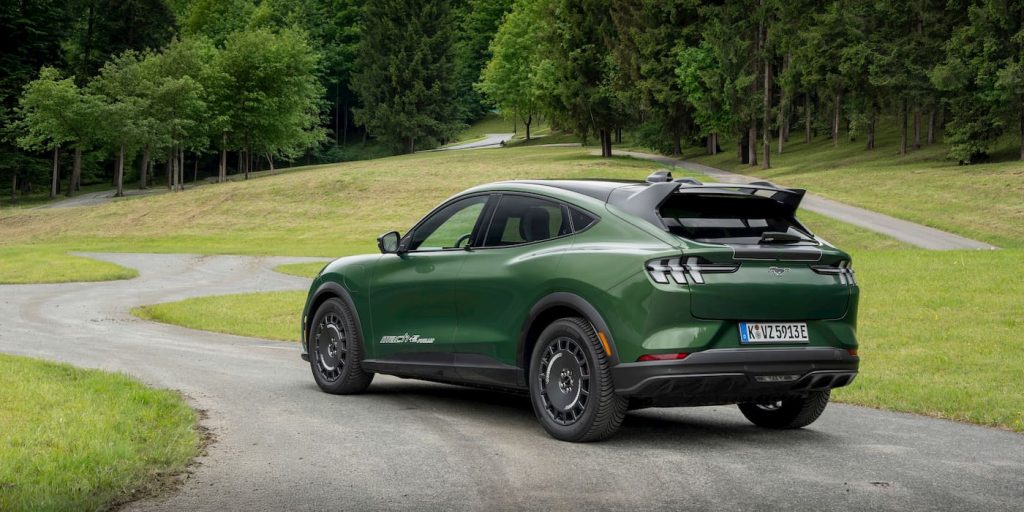
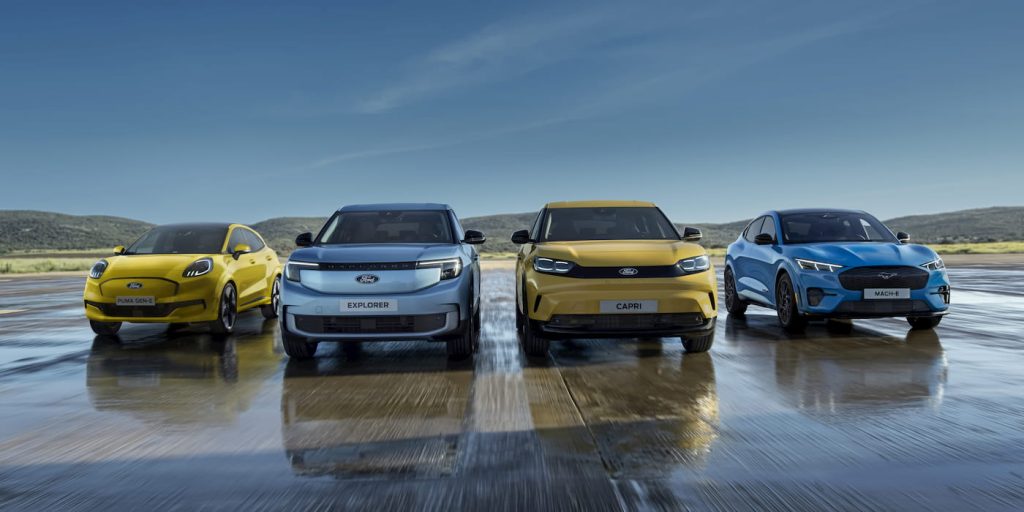
The collaborations will help Ford “move with speed and scale,” Baumbick said. Ford’s current passenger EV lineup in Europe consists of the electric Explorer and Capri, which share the same MEB platform as the Volkswagen ID.4 and ID.5, the Mustang Mach-E, and the Puma Gen E.
While Ford is “committed to supporting customers on the journey to a zero-emission future,” Baumbick said, the company still believes Europe needs to adjust its emissions targets.
Ford wants a “customer-first approach,” according to its European boss, that “aligns with consumer choice and provides a realistic, reliable planning horizon.
The American automaker wants the legislation to support and encourage plug-in hybrid (PHEV) and extended-range electric vehicle tech as it looks to revamp the brand in Europe.
Electrek’s Take
Ford has already announced plans to cut several thousand jobs in Europe as part of its restructuring in the region.
It also cut production at its Cologne EV plant, where the electric Explorer and Capri are built, blaming slower-than-expected demand for electric vehicles.
Meanwhile, CEO Jim Farley has repeatedly warned that Chinese EV manufacturers, including BYD, pose an “existential threat” to Western automakers, including Ford.
BYD outsold Ford for the first time in 2025, ranking number six in global vehicle sales. Through the first four months of 2026, BYD is the best-selling EV brand in the UK, Australia, Brazil, and other regions as it expands overseas to drive growth this year.
With new electric and plug-in hybrids launching across nearly every segment, and local production ramping up, BYD is expected to continue stealing market share from legacy automakers.
While Ford is still calling for Europe to adjust its emissions rules, it will lean on partnerships to accelerate development and reduce costs. BYD, on the other hand, is nearly 100% vertically integrated with its own batteries, EV platforms, charging tech, software, and more.
By delaying the inevitable, Ford will just put itself further behind as the global auto industry shifts to all-electric vehicles.


FTC: We use income earning auto affiliate links. More.